SAEDNEWS: Yemen’s armed forces say they are expanding their targets in southern Saudi Arabia as part of a policy of escalation in response to escalation, while continuing maritime pressure against Saudi interests. Yemeni sources claim Saudi oil facilities, ports, and shipping routes are increasingly being targeted.
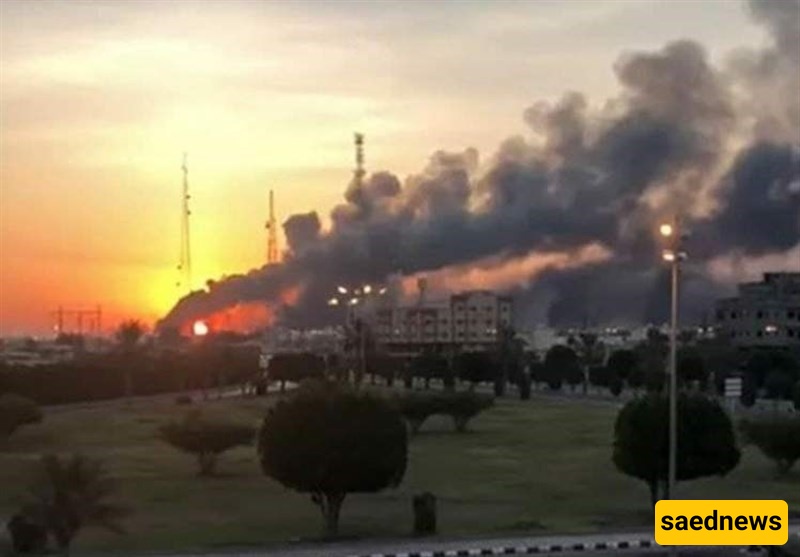
According to SaedNews: Yemen’s armed forces say they are continuing to operate under the equation of “escalation for escalation and blockade for blockade,” expanding their targets in southern Saudi Arabia and maintaining maritime restrictions against the country.
Yemeni sources said oil lifelines and Saudi ports have become targets, warning that the confrontation could move into broader stages.
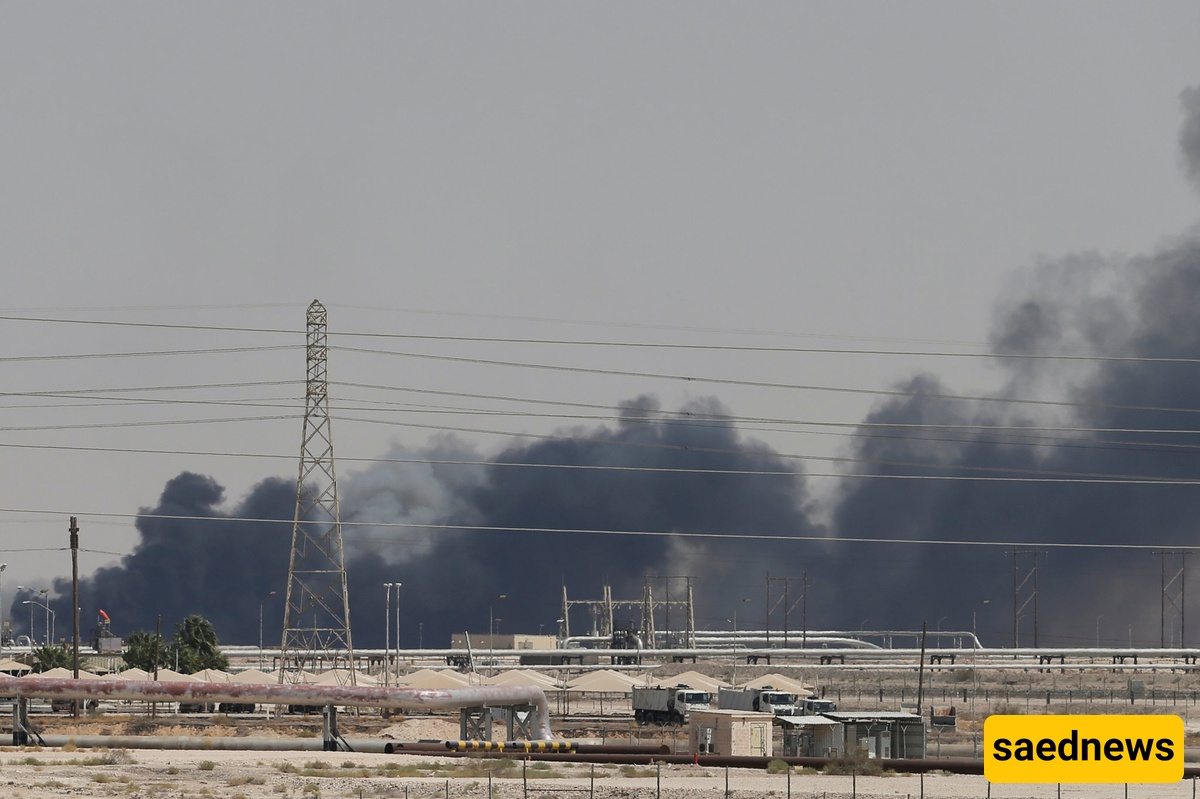
Amid continued attacks on Saudi oil facilities in the south and the reported targeting of the Aramco refinery in Jizan, informed Yemeni sources said dozens of strategic locations in Jizan and Najran have been added to the military target list.
A military source in Sana’a told Lebanon’s Al-Akhbar newspaper that Tuesday’s operation was carried out using several drones and came in response to what was described as Saudi violations of the airspace of Saada and Hajjah provinces. The source said the operation was part of a series of actions that began two weeks earlier, targeting Saudi Aramco facilities from Jizan to Najran.
The sources said future operations in southern Saudi Arabia could intensify in response to continued Saudi artillery attacks on border villages in Saada. They added that Aramco facilities, oil storage tanks, crude pipelines, and export terminals are among the targets listed by Sana’a.
The sources warned that continued Saudi actions and refusal to meet Yemen’s demands would come at the cost of damaging the kingdom’s oil lifeline.
They said Sana’a’s forces would continue restricting Saudi ports in the Red Sea and prevent Saudi ships from passing through the Red Sea and Bab al-Mandab Strait until what they described as the blockade on Yemen is lifted.
Yemeni maritime sources in Hodeidah said daily traffic through Bab al-Mandab has increased to around 30 ships. They claimed that naval and coastal defense forces in Hodeidah have not allowed Saudi oil or non-oil vessels to pass through the strait in recent weeks, while monitoring of Saudi ships and tankers continues.
A maritime source in Sana’a said the number of vessels carrying “non-Saudi cargo” labels has recently increased. According to the source, international insurance companies have required many ships to display such labels to reduce security risks in the southern Red Sea and Bab al-Mandab area.
The source said this measure requires information about cargo type, departure port, final destination, crew nationality, and confirmation that the shipment has no connection to Saudi Arabia.
The Yemeni source added that Saudi attempts to reduce pressure from the maritime restrictions, including changing routes toward the Strait of Hormuz or moving north toward the Mediterranean, would not necessarily be safe if Sana’a decides to move into a second phase of its blockade strategy.
The source claimed Yemen’s maritime measures have affected the movement of Saudi oil exports, with about 85 percent of Saudi oil exports to Asia passing through the southern Red Sea and Bab al-Mandab route.
Yemeni military sources also said the country’s navy has expanded tracking and monitoring of Saudi vessels from the Red Sea to the Arabian Sea, adding that “new surprises” are expected.
The sources claimed Sana’a has carried out 10 operations against Saudi oil tankers that attempted to ignore the restrictions. They said the operations began with the “Ancilia” and “Lily” tankers on July 22, followed by the “NCC Ghazal” tanker on July 28, the “Wafa” tanker in the northern Red Sea on January 5, and later the “Daisy” and “Tahama” tankers in the Gulf of Aden.
They also claimed that dozens of Saudi ships were forced to return without direct attacks.
Meanwhile, reports published by Reuters in recent days indicated uncertainty among Aramco officials regarding Asian customers. The reports said that in August the company offered a $2 per barrel discount on Arab Light crude for Asian buyers and accepted higher transportation and insurance costs estimated at around $10 million per oil shipment.
According to the reports, some Aramco customers in Asia and Europe have turned to other suppliers amid concerns over the company’s ability to secure vessels, transport oil, and guarantee timely deliveries.
Analysts cited in the reports said Saudi oil infrastructure and key energy facilities, which Riyadh considers a red line, could face greater risks if tensions continue. They argued that further escalation could lead to a wider focus on Saudi ports, refineries, and eventually major oil fields.
The targeting of Saudi energy infrastructure has been described by Yemeni sources as a gradual economic pressure strategy beginning with export and distribution chains rather than direct attacks on major oil fields.
Observers said that if the conflict continues, Sana’a’s operations could move toward vital ports and refineries before potentially reaching major fields such as Abqaiq, Khurais, and Shaybah.
The sources also claimed that continued pressure could force Aramco to sell assets or shares to cover market losses and increasing financial pressure. They added that Yemen’s operations are no longer limited to oil tankers but have expanded toward refineries and other critical facilities.