SAEDNEWS: Russia's ambassador to Tehran, Alexey Dedov, announced a new round of Iran-Russia talks on the $25 billion, 5,000-megawatt Hormoz Nuclear Power Plant. Russia also offered to help rebuild damaged infrastructure, marking a new phase in bilateral cooperation.
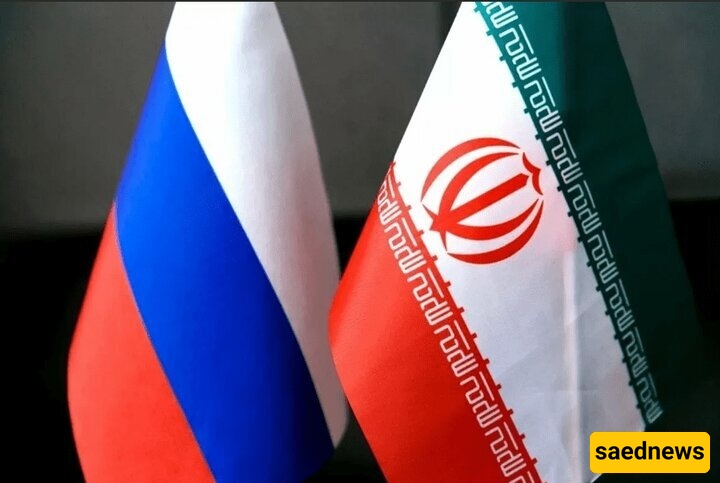
According to Saed News Political Desk, Citing the Russian news agency TASS, Alexey Dedov, Russia's ambassador to the Islamic Republic of Iran, announced that Tehran and Moscow are moving forward with significant plans to expand their nuclear energy cooperation. Referring to previous agreements, he stated that representatives of the two countries' nuclear industries are scheduled to meet in Moscow in late June or early July to finalize the legal and technical framework for constructing the new Hormuz Nuclear Power Plant.
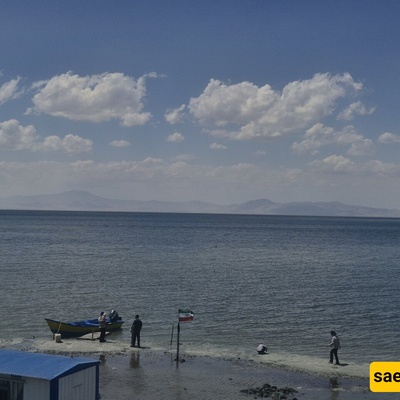
The strategic project, backed by a $25 billion contract signed in October 2025, had previously received its initial implementation order from Iran's late president. The plant is planned to have a total generating capacity of 5,000 megawatts, consisting of four separate reactor units. It will be built along Iran's southern coastline between the cities of Minab and Sirik in Hormozgan Province.
In another part of his remarks, the Russian ambassador addressed the consequences of the recent military strikes against Iran by what he described as the Western-Israeli axis. He emphasized that the Kremlin is fully prepared to participate in the reconstruction of damaged civilian infrastructure. According to Dedov, Russia's major industrial corporations, construction firms, and technology companies are ready to respond as soon as they receive official proposals from their Iranian counterparts. Drawing on their engineering expertise, these organizations intend to assess Iran's immediate needs and develop practical plans to restore key infrastructure and public facilities, a move that could help accelerate the country's economic recovery in the aftermath of military tensions.
Strategic cooperation between Tehran and Moscow has also expanded beyond the nuclear and construction sectors. Official figures indicate a notable increase in bilateral trade despite the challenges posed by geopolitical tensions and disruptions to global supply chains resulting from military conflicts. During the first four months of 2026, trade between the two countries continued to grow.
The International North–South Transport Corridor (INSTC) has played a particularly important role in this expansion. Russian exports to Iran increased by more than 56 percent, while total cargo transported through the corridor reached a record 2.2 million metric tons. These figures highlight the continued growth of economic cooperation between Iran and Russia despite ongoing sanctions and regional instability.