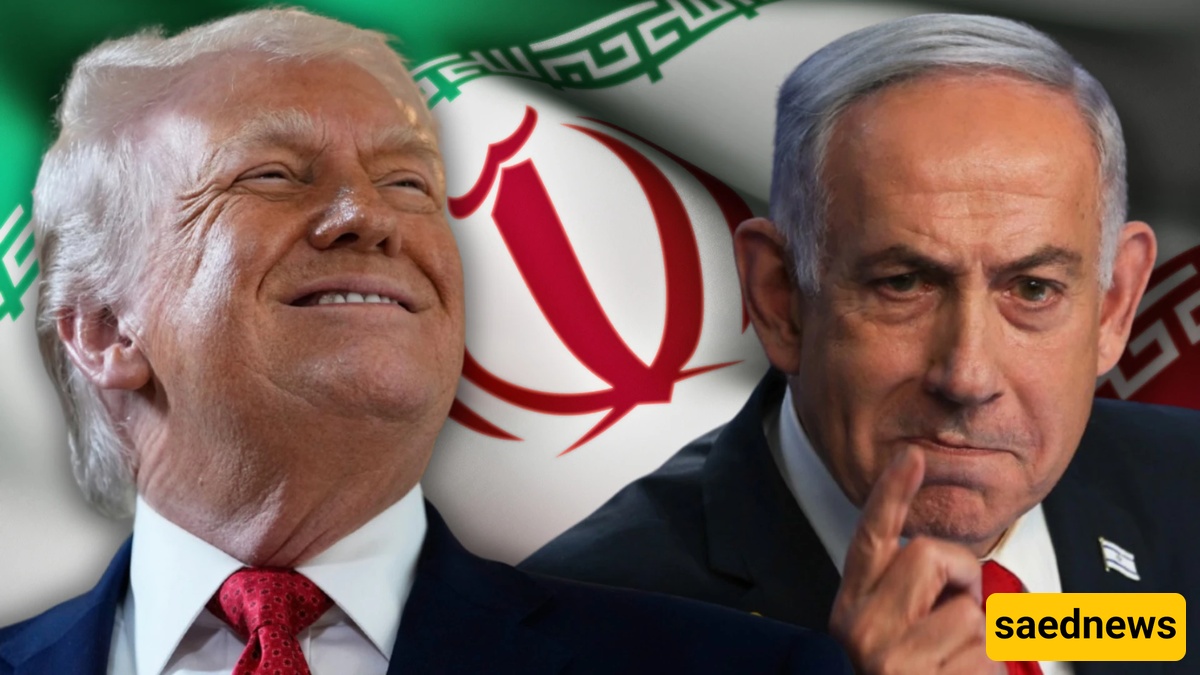
Saed News: The New York Times has claimed in a report that at the beginning of Israeli and U.S. attacks on Iran, there was a secret plan aimed at lifting security restrictions on Mahmoud Ahmadinejad, in the hope that he would play a role in a “regime restructuring” scenario in Iran.
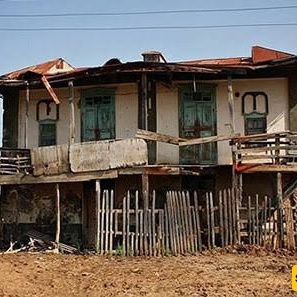
According to SAEDNEWS, via Fararu, the report claims that an attack was carried out on Ahmadinejad’s residence, and some American sources allege that the operation resembled a “jailbreak,” meaning an attempt to free him from control.
According to the same report, some U.S. officials believed that Ahmadinejad—despite his past strongly anti-American and anti-Israeli positions—still had influence within parts of Iran’s security and military structure, and they hoped he could play a role during a period of unrest.
The report has caused widespread reaction and surprise among foreign media and analysts, because Mahmoud Ahmadinejad is usually seen in the West as one of Iran’s most hardline figures.
Reddit and some other analytical media outlets wrote that if the claims are true, they reflect a strange and far-fetched calculation by U.S. and Israeli intelligence agencies.
Previously, the New York Times had also reported that Ahmadinejad had recently reappeared in parts of Iran’s power equations and still had contact with certain security circles, although he was officially removed from the main power structure.
None of these claims have been officially confirmed by the U.S., Israel, or Iranian official sources, and much of the report is based on anonymous security sources and unspecified quotes from people close to Ahmadinejad.
Asr-e Iran also reported that the New York Times wrote Ahmadinejad was injured on the first day of the war in an Israeli airstrike targeting his residence in Tehran.
The New York Times, citing informed sources, published details of a secret Israeli-American plan aimed at overthrowing the Islamic Republic of Iran in a 40-day war and presenting former Iranian President Mahmoud Ahmadinejad as the leader of the post-war period.
According to the report, the plan was part of a broader Israeli project to bring fundamental changes to Iran’s government after initial strikes against senior leadership. In the early days of the war, Iran’s Supreme Leader Ayatollah Ali Khamenei and senior military officials were reportedly targeted.
The report also stated that U.S. President Donald Trump had emphasized from the early days of the war the need for Iran to be led by an “insider,” and surprisingly, according to informed U.S. officials, that person was Mahmoud Ahmadinejad, who served as president of Iran from 2005 to 2013.
The New York Times wrote that Ahmadinejad was injured on the first day of the war in an Israeli airstrike that targeted his residence in Tehran. According to U.S. officials, the attack aimed to “liberate” him from what they described as house arrest imposed by Iranian authorities.
The Plan Failed
The newspaper explained that the attack did not completely destroy Ahmadinejad’s house, but it struck a nearby security post where guards were stationed, killing several of them. Ahmadinejad survived, but later disappeared from public view, and his whereabouts and health status remain unknown.
The report, citing sources close to Ahmadinejad, claimed that he was aware of the Israeli-American plan.
The New York Times also stated that U.S. officials considered Ahmadinejad capable of managing Iran’s political, military, and social situation during a possible transitional period.
However, according to the report, the plan was quickly abandoned after the initial attack, as Ahmadinejad became disillusioned with the regime-change project, especially after surviving the Israeli strike.
The newspaper reported that the United States and Israel believed Ahmadinejad’s growing differences with Iran’s system in recent years might make him a suitable alternative leader, more willing to engage with the West.
According to the New York Times, the Israeli plan was multi-stage, beginning with extensive airstrikes and assassinations of senior leaders, followed by internal unrest and the incitement of Kurdish groups to revolt, ultimately aiming at regime collapse and the emergence of an “alternative government.”
However, most of these stages did not materialize. The Iranian system reportedly survived despite significant damage, while Israel and the United States were disappointed by the failure of their expectations for a rapid collapse.