SAEDNEWS: Hospitality is one of the noble virtues and commendable moral qualities in Islam. It carries great spiritual rewards and has always been strongly emphasized by our prophets and Imams.

According to Saednews, Hospitality and welcoming guests are among the most admirable moral qualities. In Islamic culture, a guest is considered a beloved gift from God and a source of blessings for the host’s household. Guests are regarded as blessings sent by the Almighty to increase sustenance and bring divine forgiveness. Hospitality is believed to bring not only greater provision and forgiveness of sins in this world but also rewards in the Hereafter.
Hospitality is frequently emphasized in the lives and teachings of the leaders of Islam and holds a special place in the traditions of the Prophet Muhammad and the Imams. This noble quality has important benefits for individuals and society alike.
Islamic sources contain numerous narrations encouraging people to practice hospitality. The Persian New Year, Nowruz, is one occasion associated with family visits, maintaining kinship ties, and welcoming guests. These customs have long been an important part of Iranian culture and have also been praised in Islamic traditions. However, visiting others also involves certain manners and responsibilities that should be observed.
Imam Ali (peace be upon him) is reported to have said:
“Whenever a believer hears the sound of a guest arriving and feels happy about it, their sins are forgiven, even if their sins are as numerous as the distance between the heavens and the earth.”

Imam Ali (peace be upon him) is reported to have said:
“A believer who loves welcoming and entertaining guests will emerge from the grave on the Day of Resurrection with a face shining like the full moon. When people see this person, they will ask, ‘Could this person be one of God’s prophets?’
An angel will then introduce the person, saying, ‘This individual was hospitable in the world, welcomed guests warmly, and treated them generously. Now, there is nothing left for this person except to enter Paradise.’”
Imam Ja'far al-Sadiq (peace be upon him) said:
“Whoever satisfies the hunger of a believer earns Paradise.”
One of the ethical duties of Muslims is to accept invitations to gatherings and meals when invited.
The Prophet Muhammad (peace be upon him) is reported to have said:
“I advise those present and those absent from my community to accept the invitation of a fellow Muslim, even if they must travel five miles to do so, for accepting invitations is a sign of faith.”
Imam al-Sadiq (peace be upon him) also said:
“One of the rights that a Muslim has over another Muslim is that the latter should accept their invitation.”
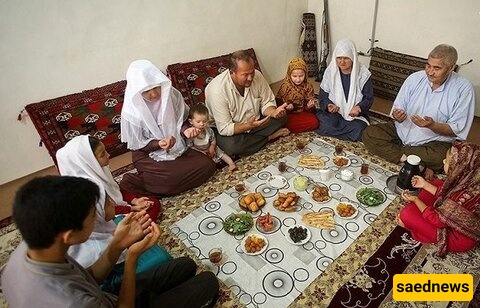
Hospitality strengthens relationships, promotes friendship, and fosters warmth and intimacy. It also reflects sincerity and purity of heart.
Imam al-Sadiq (peace be upon him) repeatedly emphasized:
“A person’s affection for another becomes evident when we see whether they are willing to eat the food of their Muslim brother.”
The great leaders of Islam preferred simple gatherings, free from unnecessary extravagance, where sincerity and affection mattered more than elaborate arrangements.
One day, a man invited Imam Ali (peace be upon him) to his home for a meal.
The Imam replied:
“I will accept your invitation on the condition that you agree to do three things.”
The man asked what those three conditions were.
The Imam answered:
“Do not hide anything from me that you already have in your home. Do not purchase anything from outside specifically for my visit. And provide what you already have without placing hardship on your family or reducing their food.”
The man agreed, and the Imam accepted the invitation.
On another occasion, Harith al-A'war, one of Imam Ali’s companions, came to him and said:
“O Ali, I would be honored if you would visit my home and share a meal with me.”
The Imam replied:
“I will come on the condition that you do not burden yourself or go to any trouble because of my visit, and that you are content with the simple food you already have.”
Harith agreed, and Imam Ali visited his home and ate the modest meal that was available.
Imam al-Sadiq (peace be upon him) said:
“May ruin come upon the person who withholds from their brother what they already have at home, considers their own provisions too insignificant to offer, or treats with contempt what is offered to them.”
Islamic narrations frequently advise hosts not to place unnecessary burdens on themselves or their families. However, preparing a respectable meal and welcoming guests properly are encouraged. The religious teachings emphasize generosity without requiring extravagance.
The Prophet Muhammad (peace be upon him) is reported to have said:
“If someone spends a thousand dirhams on a meal from which a believer eats, this is not considered extravagance.”
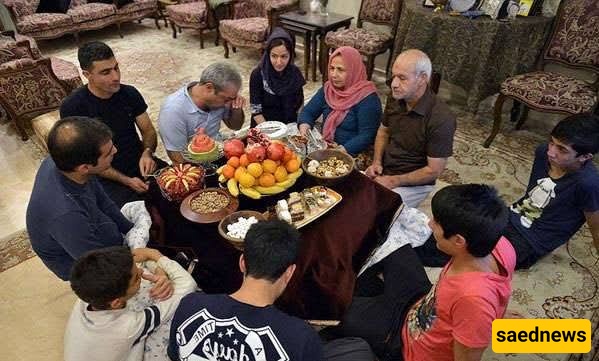
A host has several responsibilities toward their guests, including the following:
Welcome guests with a cheerful and friendly expression.
Speak kindly and say things that bring happiness and comfort.
Prepare the meal promptly.
When possible, offer fruit before the meal, as fruit can be a beneficial part of a healthy diet. The article also refers to the order in which fruit and meat are mentioned in verses 21 and 22 of Surah Al-Waqi'ah.
Provide suitable arrangements for the guest’s comfort and rest.
See the guest off warmly and courteously.
Imam Ja'far al-Sadiq (peace be upon him) said:
“When your believing brother comes to your home, do not ask him whether he has eaten. Instead, offer him whatever food is available in your house, for true generosity means presenting whatever one has.”
Guests, like hosts, have responsibilities and should observe proper manners.
For example, when invited to someone's home, a guest should not request something without knowing whether it is available. Such requests may worry or inconvenience the host and may leave both parties feeling embarrassed.
Guests should behave respectfully, remain considerate of the host’s circumstances, and avoid actions that create unnecessary work or discomfort.
Imam al-Sadiq (peace be upon him) said:
“When someone enters another person's home, they should sit wherever the host directs them, because the host knows the circumstances of the house and is more familiar with the things that should remain private, as well as the personal matters and secrets of the household.”
A narration attributed to the Prophet Muhammad (peace be upon him) states:
“A guest should be hosted for three days. After three days, the expenses incurred on their behalf are considered charity, and the guest should move on.”
According to Islamic ethical and social traditions, anyone arriving in a city may also be regarded as a guest of its residents.
Another practice encouraged by the Imams is that hosts should not ask their guests to perform household chores. Although this is primarily an ethical recommendation, observing it is considered a commendable act of hospitality.
Ibn Abi Ya'fur narrated:
“I once saw a guest at the home of Imam Ja'far al-Sadiq (peace be upon him). One day, the guest got up to attend to a task, but the Imam stopped him and performed the task himself. The Imam then said, ‘The Messenger of God (peace be upon him and his family) prohibited people from making their guests work for them.’”
The Prophet Muhammad (peace be upon him) is also reported to have said:
“A guest should be treated with kindness for two nights. On the third night, the guest becomes like a member of the household and may eat whatever is available.”
Imam al-Sadiq (peace be upon him) said:
“We are a household that does not seek help from our guests in household tasks, nor do we give them orders to perform such work.”
Hospitality is one of the valuable moral qualities of a Muslim. In Islamic teachings, it is regarded as a sign of generosity and noble character, and those who practice it are promised great rewards.
The Prophet Muhammad (peace be upon him) is reported to have said:
“When God wishes goodness for a community, He sends them a gift.”
Someone asked, “What is that gift?”
He replied:
“It is the guest who arrives with their own provision and departs carrying away the sins of the household.”
It is also narrated that Imam Ali (peace be upon him) was once seen looking deeply saddened. When asked why he was troubled, he replied:
“I am saddened because no guest has come to visit me for seven days.”
When the meal is served, Islamic teachings and principles of hygiene recommend washing one's hands before eating.
Regarding the beginning and end of a meal, the Prophet Muhammad (peace be upon him) is reported to have said:
“The host should begin eating before the guests and should be the last to stop eating. This allows the guests to eat calmly, comfortably, and until they are satisfied.”
This practice helps guests feel at ease and prevents them from feeling embarrassed about eating enough.
Imam al-Sadiq (peace be upon him) said:
“One of the things that may upset a believing brother while eating at his brother’s table is for the host to stop eating before the guest has finished.”