SAEDNEWS:Eid al-Fitr is one of the major Islamic celebrations, and fasting on this blessed day is prohibited. But what are the reasons why fasting on Eid al-Fitr is considered forbidden in Islam?

According to Saednews, Ramadan is the month of God and an opportunity for fasting, worship, and devotion. With the beginning of this blessed month, fasting becomes obligatory for Muslims. However, when Ramadan comes to an end, the crescent moon of Shawwal is sighted and Eid al-Fitr arrives, fasting becomes forbidden.
Why is fasting prohibited on Eid al-Fitr? What makes this day a time for happiness and gratitude to God, when fasting is not only unnecessary but actually forbidden? In this section, we will explain in simple and clear terms the reasons behind the prohibition of fasting on Eid al-Fitr.
During Ramadan, Muslims fast as part of their spiritual journey and preparation for greater devotion. After a month of worship, many people may wish to continue fasting. However, Islam emphasizes moderation and balance in all aspects of life, including worship.
Excessive worship, including continuous fasting, can lead to physical exhaustion and spiritual fatigue. Islamic teachings establish specific rules to maintain balance in obligatory acts. Fasting continuously throughout the year may not be compatible with everyone's physical capacity, and an imbalance between spiritual and physical needs can cause hardship.
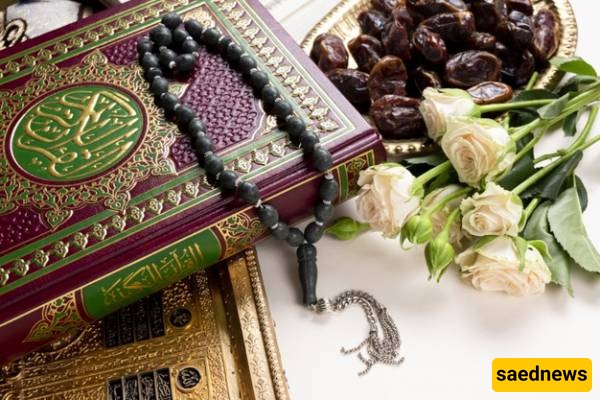
During Ramadan, people purify themselves through fasting, worship, and religious practices and strengthen their connection with God. Eid al-Fitr marks the completion of this spiritual journey, which is why the first day of Shawwal is celebrated as Eid.
The days of Eid are intended to be different from ordinary days. If people were to fast on Eid al-Fitr just as they did throughout Ramadan, the distinctive nature of the celebration would be diminished. Instead, this day is meant to be observed through eating, drinking, happiness, and expressing gratitude to God.
According to narrations cited in Islamic sources such as Wasa'il al-Shi'a (vol. 4, p. 368), people are regarded as guests of God on Eid al-Fitr, and God does not wish His guests to remain hungry and fasting.
Some narrations also describe the days on which fasting is prohibited—including the Days of Tashriq, as well as the prohibition of fasting while traveling—as gifts or forms of charity from God to His servants. It is therefore considered inappropriate to reject a gift or charity from God. (Al-Saduq, Ilal al-Shara'i, vol. 2, p. 239)
During Ramadan, God commands Muslims to fast. At the end of the month, He commands them to eat and drink. This change in instruction can also be understood as a test of sincere and unconditional obedience.
True devotion means following God's commands whether they require fasting or breaking the fast. In this way, the distinction becomes clear between worshipping according to one's own preferences and submitting faithfully to divine guidance.
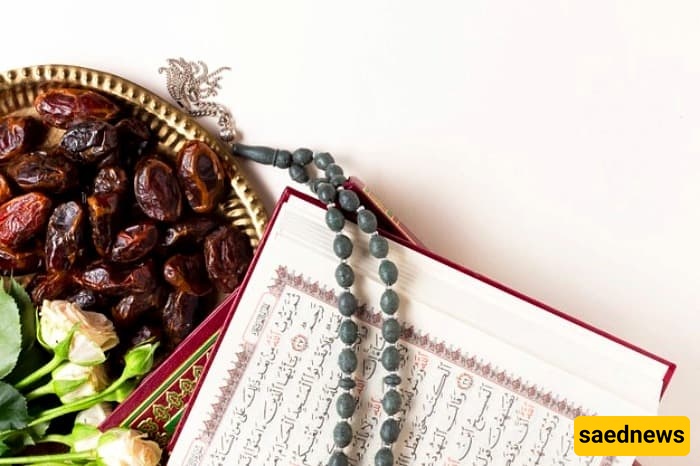
Several narrations from Imam Ja'far al-Sadiq explain why fasting is prohibited on Eid al-Fitr.
Imam al-Sadiq is reported to have said:
“Fasting should not be observed on Eid al-Fitr or Eid al-Adha, because the Messenger of God said that these are days of eating, drinking, and celebration.”
(Mustadrak al-Wasa'il, vol. 7, p. 551)
In another narration, Imam al-Sadiq is reported to have said:
“Fasting is forbidden because these are days of eating and drinking.”
(Al-Wafi, vol. 11, p. 84)