SAEDNEWS: Using abusive language is one of the greatest moral vices, which has been strongly condemned in Islamic teachings and narrations. It carries irreversible consequences for both the individual and society.

According to Saednews, Foul language is considered one of the major moral vices strongly condemned in Islamic teachings. Although the tongue is a small part of the human body, it has the power to create the greatest effects on social relationships, personal character, and even a person’s destiny. Islamic sources, especially the sayings of the Prophet Muhammad (peace be upon him) and the Ahl al-Bayt (peace be upon them), repeatedly emphasize the dangers of harmful speech and the importance of controlling one’s words.
This article explores the Islamic teachings regarding foul language, the harmful effects of abusive speech, and the spiritual methods recommended for overcoming this negative trait.
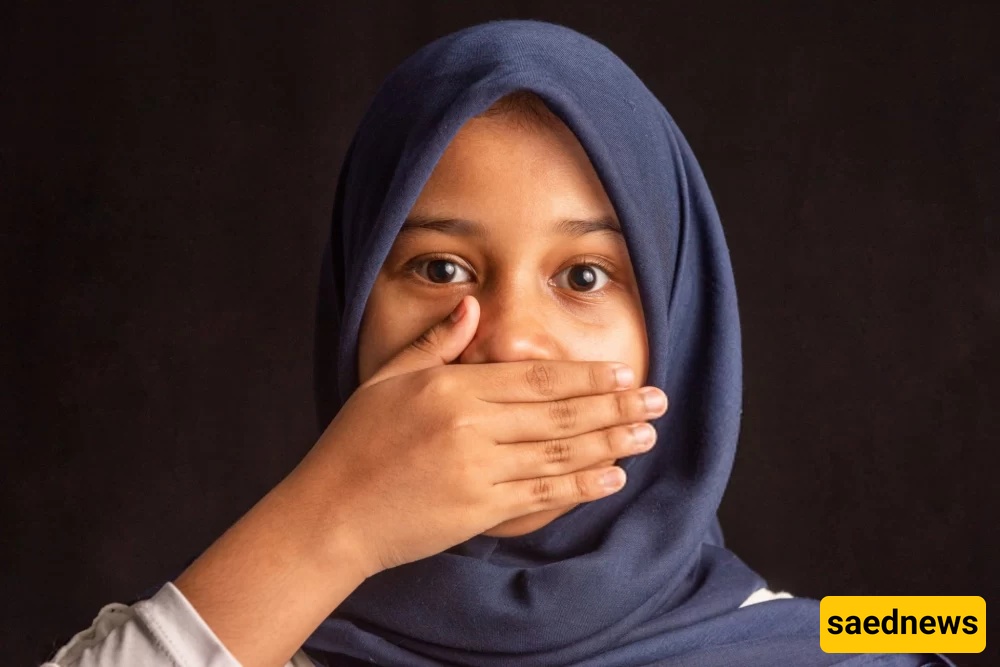
In Islamic traditions, foul language refers to using offensive, insulting, humiliating, or hurtful words toward others. The Prophet Muhammad (peace be upon him) said:
“A Muslim is the one from whose tongue and hands other Muslims are safe.”
This narration highlights that one of the greatest signs of a true believer is protecting others from harm, both through actions and speech. A person’s words reveal their character, and controlling the tongue is considered an essential part of good morality.
Hadiths Condemning Harmful Speech
Imam Ali (peace be upon him) stated:
“How many a word has taken away a blessing and brought about a punishment.”
This saying demonstrates that a single careless or offensive statement can destroy relationships, remove blessings, and create consequences that cannot easily be repaired.
Imam al-Sadiq (peace be upon him) said:
“The tongue is like a burning ember that comes out of the mouth.”
This powerful comparison shows that harmful words can act like fire, destroying friendships, trust, and human connections.
The Effects and Consequences of Foul Language According to Hadith
The Prophet Muhammad (peace be upon him) said:
“A servant may utter a word without realizing its seriousness, and because of it, he may fall into Hell farther than the distance between the east and the west.”
Imam Ali (peace be upon him) also said:
“The mistake of the tongue is more severe than the mistake of the foot.”
A person may recover from a physical mistake, but words can leave deep wounds, damage reputations, and destroy years of good relationships.
Imam al-Baqir (peace be upon him) said:
“Avoid lying, for it corrupts faith and makes you disliked by people.”
Harmful speech includes lying, backbiting, accusations, insults, and curses. Such behavior destroys trust and weakens the bonds between people.
The Prophet Muhammad (peace be upon him) said:
“Is there anything that throws people into the Fire upon their faces except the harvests of their tongues?”
This narration emphasizes that many spiritual failures come from uncontrolled speech. Words spoken without thought can become a source of serious regret in the Hereafter.
Types of Harmful Speech Mentioned in Islamic Teachings
Imam al-Sadiq (peace be upon him) said:
“Backbiting is mentioning about a believer something that is not found in him.”
Backbiting is among the most condemned forms of speech in Islam because it damages a person’s honor and spreads negativity within society.
The Prophet Muhammad (peace be upon him) said:
“Whoever falsely accuses a believing man or woman of something that is not in them, Allah will place him on a hill of fire on the Day of Judgment.”
False accusations destroy dignity and create injustice among people.
Imam Ali (peace be upon him) said:
“Stay away from obscene speech, for it makes you disliked by people.”
A believer is encouraged to speak with dignity, kindness, and respect rather than using insulting language.
Imam al-Baqir (peace be upon him) said:
“Let not one group mock another; perhaps they are better than them.”
Islam teaches humility and warns against humiliating others because every person has value and dignity.
Ways to Overcome Foul Language According to Islamic Teachings

The Prophet Muhammad (peace be upon him) said:
“Whoever believes in Allah and the Last Day should speak good words or remain silent.”
Imam Ali (peace be upon him) said:
“When intellect becomes complete, speech becomes less.”
A wise person does not speak every thought that comes to mind. Instead, they consider the effect of their words before expressing them.
Imam Musa al-Kadhim (peace be upon him) said:
“Do not become a servant of your tongue; rather, become its master.”
A person should control their speech instead of allowing emotions and anger to control their words.
Imam Ali (peace be upon him) said:
“Whoever does not control his tongue will regret it.”
Remembering the damage caused by harsh words helps a person avoid this harmful habit.
The Prophet Muhammad (peace be upon him) said:
“A good word is charity.”
Islam encourages believers to replace harmful speech with words of kindness, encouragement, and compassion.
Hadiths About Silence and Controlling the Tongue
Imam Ali (peace be upon him) said:
“Do not speak about what you do not know, for most mistakes come from that.”
He also said:
“Excessive speech causes boredom and removes dignity.”
The Prophet Muhammad (peace be upon him) taught:
“Silence protects a person from the anger of the Lord.”
These teachings show that silence is not weakness; rather, it is a sign of wisdom and self-control.
The Social Impact of Harmful Speech
Foul language affects not only an individual’s character but also the entire society. Harsh words can create hatred, break families, end friendships, and spread conflict.
Imam Ali (peace be upon him) said:
“Whoever has bad manners will have restricted provision.”
This narration indicates that poor character and harmful behavior can negatively affect a person’s relationships, opportunities, and overall life.
He also said:
“The tongue of the wise person is behind his heart, while the heart of the foolish person is behind his tongue.”
This means that a wise person thinks before speaking, while a careless person speaks first and thinks afterward.
The Wound of Words: Why the Tongue Can Be More Dangerous Than a Sword
Islamic teachings emphasize that words can leave wounds deeper than physical injuries. A sword may harm the body, but a cruel word can damage the heart, destroy trust, and remain in a person’s memory for years.
Therefore, controlling the tongue is not only a religious responsibility but also a foundation of respect, kindness, and peaceful human relationships.
A person who chooses gentle words protects their own character and brings harmony to society, while a person who misuses speech can lose friendships, respect, and spiritual growth.