SAEDNEWS: According to the fatwas of Shia religious authorities, donating organs in situations of necessity to save the lives of Muslims is permissible, and in some cases it is considered recommended, provided that consent is given and Islamic legal guidelines are observed.
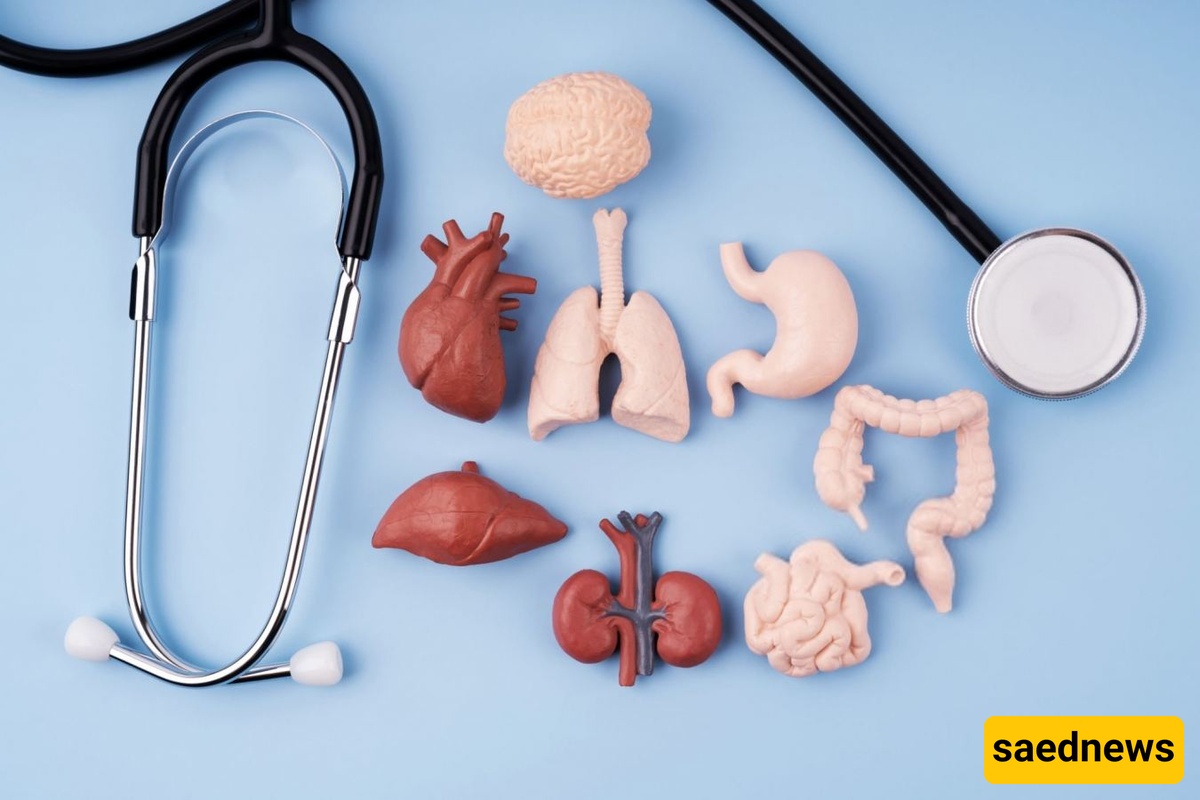
According to Saednews, quoting Shia Islamic jurisprudential texts and the religious rulings (fatwas) of Shia authorities of emulation (Marajiʿ), the ruling on organ donation can be summarized as follows:
If removing an organ does not cause significant harm to the living donor (such as donating one kidney or a portion of the liver), and it is done with full, informed consent, it is permissible when there is a need or necessity, especially to save the life of a Muslim.
However, if removing the organ causes severe disability, danger to the donor’s life, or serious physical harm (such as donating an eye or the heart), it is not permissible.
If the life of a Muslim depends on an organ transplant, taking an organ from a deceased Muslim may be permissible under the following conditions:
The deceased person had given prior consent through a will, or permission is granted by the legal heirs or the guardian of the deceased.
The dignity and sanctity of the deceased must be respected. Practices considered mutilation (such as cutting off the ears or nose) are prohibited.
Outside situations of necessity and life-saving circumstances, such an act is generally not permitted and may require payment of religious compensation (diyah).
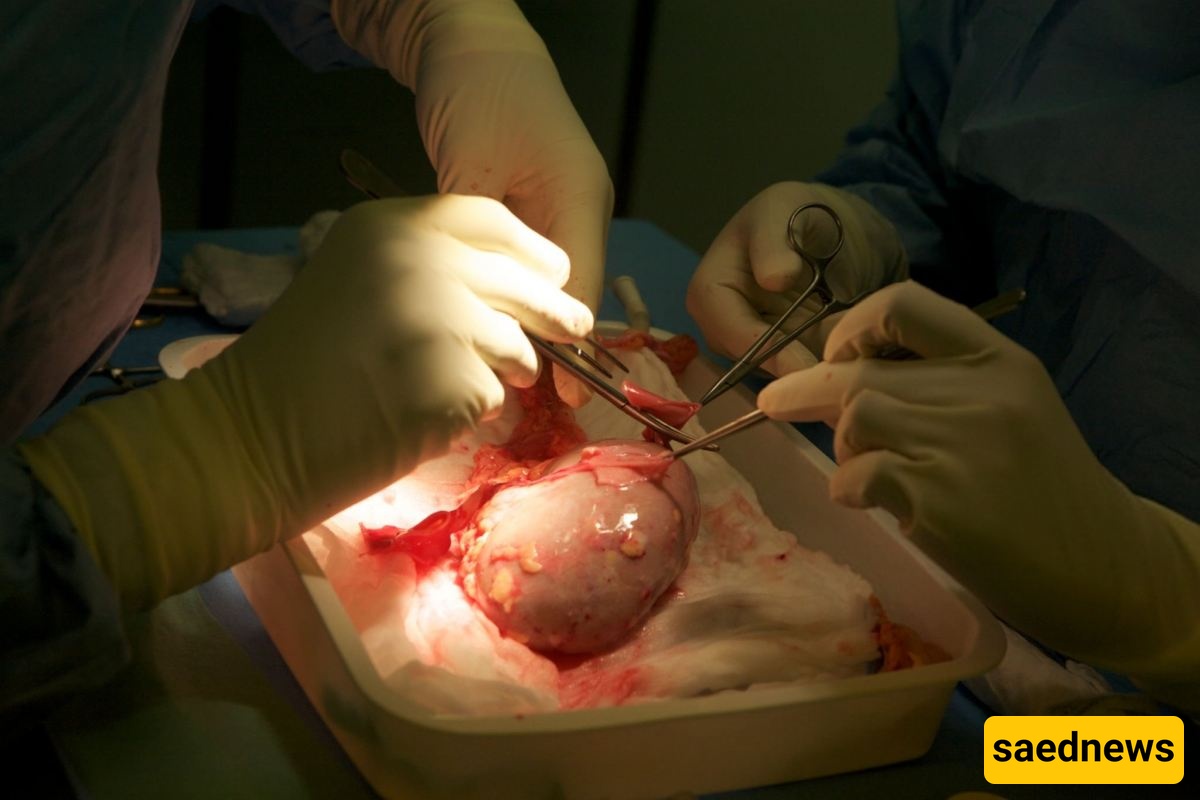
In Shia jurisprudence, a person who is brain-dead is not automatically considered completely dead, because the heart and lungs may continue functioning with the assistance of medical equipment.
Therefore, removing organs from a brain-dead patient for transplantation is not considered permissible unless complete death is fully established and all required religious conditions are fulfilled.
Organ donation and transplantation in Islam are viewed as humanitarian acts. In cases of necessity and when intended to save human life, they may be permissible—and in some circumstances even recommended—provided that Islamic conditions are observed, including:
Genuine consent,
No serious harm to a living donor,
Respect for the dignity and sanctity of the deceased,
Compliance with religious and ethical regulations.