SAEDNEWS: The nightly prayer of Tahajjud, performed with specific units (rak‘ahs) and special supplications, is considered a spiritual gateway to attaining important wishes. It has been highly emphasized in religious teachings, and the method of performing it is explained in this article.

According to Saednews, Tahajjud in religious culture refers to staying awake at night and engaging in private worship with the Almighty in the quiet hours of the night for supplication and prayer. This act of worship holds a special status in Islamic teachings and is emphasized in the Qur’an and numerous hadiths.
One of the most important expressions of Tahajjud is the “Tahajjud prayer” (also known as the “night prayer”), a set of recommended (nafl) units of prayer performed after sleeping during the late hours of the night. It provides a valuable opportunity to strengthen spiritual connection and closeness to God.
In the following, we discuss the benefits of Tahajjud prayer for fulfilling needs and the method of performing this virtuous prayer.
The primary divine instruction regarding Tahajjud prayer appears in the Holy Qur’an. In verse 79 of Surah Al-Isra, God says to the Prophet Muhammad (PBUH):
“And during the night, pray Tahajjud as an additional prayer for you; it is hoped that your Lord will raise you to a praised station.”
This noble verse not only commands the Prophet (PBUH) to perform this act but also highlights the “Praised مقام (Maqam Mahmoud)” as its reward, turning this prayer into a continuous spiritual practice that emphasizes night worship.
Tahajjud prayer consists of 11 rak’ahs in total:
8 rak’ahs of night prayer (four sets of two rak’ahs)
2 rak’ahs of Shaf’
1 rak’ah of Witr
Performed as four separate two-rak’ah prayers
Each two rak’ahs are prayed like Fajr prayer (with tashahhud and salam after every two rak’ahs)
First rak’ah: Surah Al-Fatiha + Surah An-Nas
Second rak’ah: Surah Al-Fatiha + Surah Al-Falaq
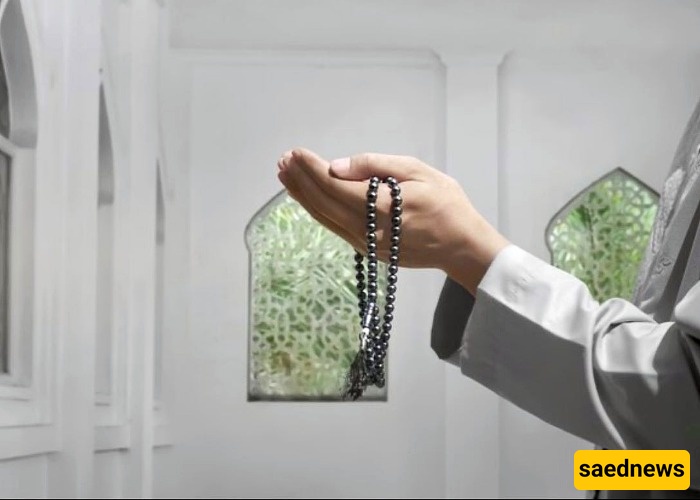
The final part of Tahajjud with special etiquette:
After Surah Al-Fatiha, it is recommended to recite Surah Al-Ikhlas three times, followed by Al-Nas and Al-Falaq
Alternatively, reciting only one surah is also valid
During Qunoot:
The left hand is raised while the right hand is used for counting dhikr (remembrance)
Recommended supplications include:
Seeking forgiveness for believers:
“O Allah, forgive believing men and believing women…”
Seeking forgiveness (70 times):
“Astaghfirullah Rabbi wa atubu ilayh”
Seeking protection from Hellfire (7 times)
Repeating “Al-‘Afw” (300 times)
Final supplication:
“My Lord, forgive me, have mercy on me, and accept my repentance…”
Shia view: From after midnight (Islamic night) until dawn; closer to dawn is more virtuous
Sunni schools (Hanafi, Shafi’i, Hanbali, Maliki): The last third of the night is the most virtuous time, though it can be performed after Isha until Fajr
Islamic narrations emphasize many benefits of Tahajjud, including:
Physical and spiritual well-being
Sustenance and lawful provision
Divine pleasure and closeness to God
Forgiveness of sins
Worldly and otherworldly blessings
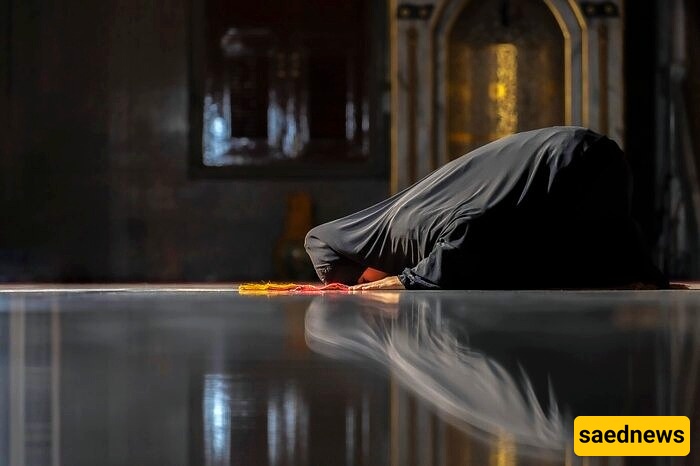
Tahajjud includes:
8 rak’ahs night prayer
2 rak’ahs Shaf’
1 rak’ah Witr with supplications
Hanafi: Witr is 3 connected rak’ahs and considered wajib (necessary)
Shafi’i: Witr is highly recommended, 1–11 rak’ahs
Hanbali: Flexible (1–11 rak’ahs), Qunoot may be before or after bowing
Maliki: Witr is 1 rak’ah; Qunoot is not part of it in most views
Tahajjud is strongly recommended for seeking personal needs from God.
It is especially emphasized:
In the last ten nights of Ramadan
During the last third of the night for supplication acceptance
A common method:
Pray 2 rak’ahs
In the first rak’ah recite Surah Al-Kafirun after Al-Fatiha
In the second rak’ah recite Surah Al-Ikhlas after Al-Fatiha
Then make sincere supplication for one’s needs
For seeking marriage or specific needs:
Perform Tahajjud in the last third of the night
Continue regularly until the need is fulfilled
After prayer, make heartfelt dua for marriage and righteous provision