SAEDNEWS: Is Haleem Good for Your Health? Discover Its Nutritional Benefits, Potential Side Effects for Men and Women, and the Best Foods to Pair with It.
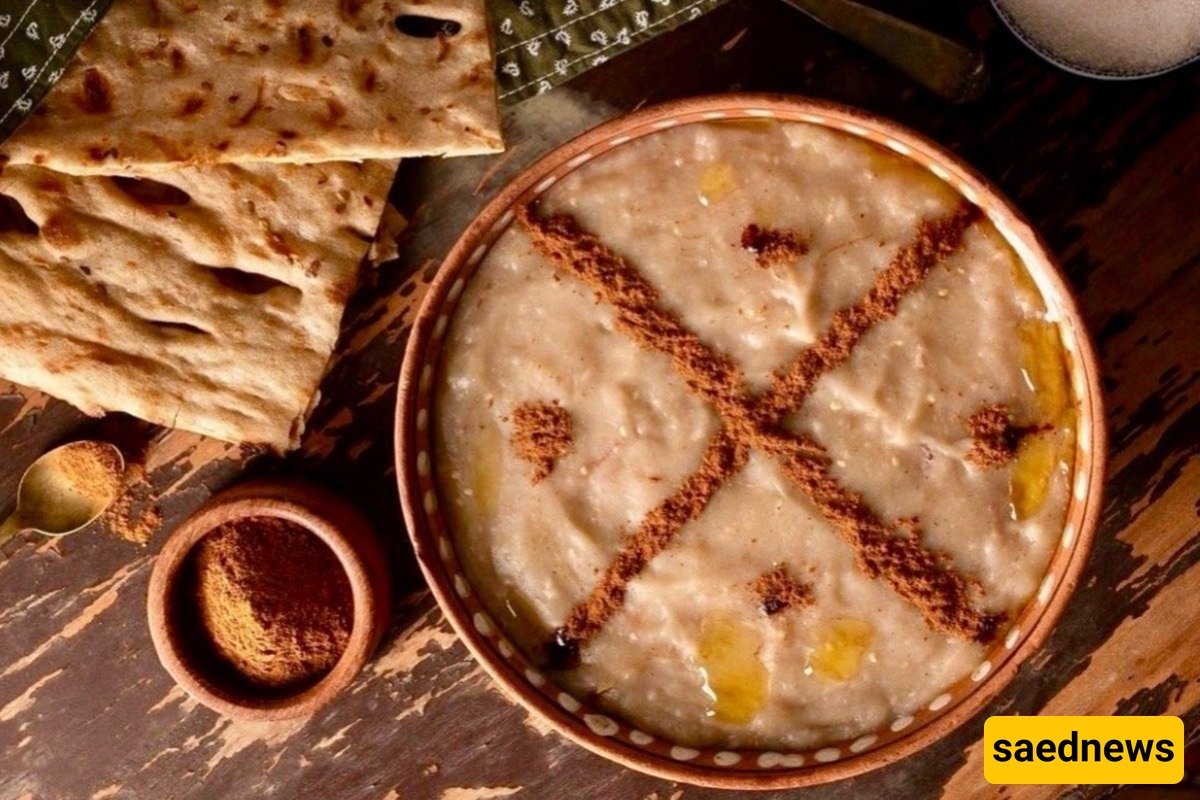
According to Saednews, Haleem is a nutritious and popular traditional dish made from wheat (often whole wheat) and meat. Thanks to its high fiber content from whole wheat, it provides a strong feeling of fullness and is a good source of essential minerals such as zinc, magnesium, iron, and niacin. With Ramadan approaching and many people choosing haleem for Suhoor and Iftar, here are answers to some of the most frequently asked questions about this traditional food.
Haleem is prepared in different ways, and the type of meat and other ingredients used during cooking can affect its overall properties and whether salt or sugar is a more suitable addition.
Whether you should eat haleem with salt or sugar depends largely on the type of meat used and your individual constitution.
According to traditional food principles, haleem made with red meat is considered warming. Adding salt, which is also traditionally classified as warming and drying, may increase these properties. Sugar, traditionally considered cooling and drying, is believed to balance the warmth of haleem.
In general, sugar or honey is traditionally recommended as an accompaniment to haleem to balance its warming nature, although this may vary depending on the ingredients used.
Whether haleem contributes to weight gain depends on portion size and how it is prepared.
Eating a moderate portion of haleem without added oil or sugar can help you feel full for longer because of its fiber content. This may help control appetite and reduce unnecessary snacking. People trying to manage their weight should therefore consume smaller portions without additional toppings.
However, haleem served with oil and sugar may not be suitable for people who are overweight because these additions significantly increase its calorie content.
A small bowl of haleem (approximately 150 calories) can provide around 300–350 calories when served with a tablespoon of sugar, a portion of bread, and oil.
Some recipes use wheat germ instead of regular wheat. Wheat germ contains various vitamins and minerals and has fewer calories than whole wheat, making it another option for preparing haleem.
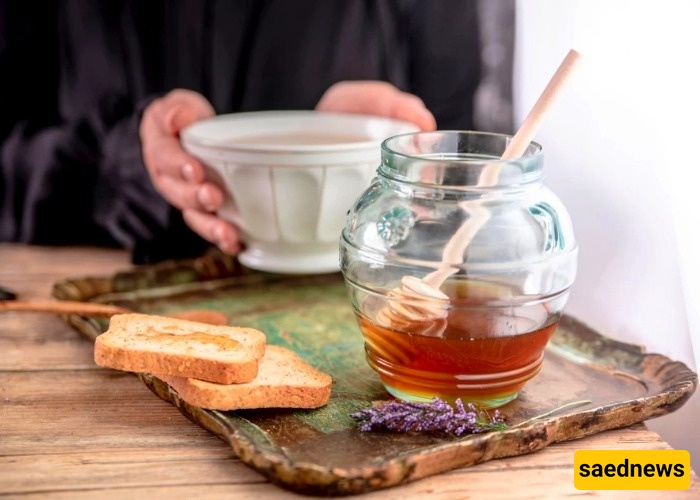
If you enjoy eating haleem with sugar, consider using honey instead.
Honey provides natural sweetness and is traditionally valued for its digestive properties. It may also reduce some of the discomfort associated with consuming refined sugar, such as excessive thirst and stomach irritation, provided it is consumed in moderation.
Eating large portions of haleem, especially with sugar and oil, may cause stomach discomfort, heartburn, and irritation because haleem is relatively heavy and takes longer to digest.
Avoid lying down immediately after eating haleem. Remaining upright allows digestion to proceed and may help reduce acid reflux.
Drinking excessive amounts of water immediately after eating may also cause discomfort in some people. To reduce bloating and acid reflux, avoid excessive sugar and oil and do not overeat.
For questions such as whether haleem is suitable for stomach ulcers, what to eat afterward to prevent stomach pain, or whether drinking tea after haleem is beneficial, consult your healthcare provider. Dietary recommendations should be tailored to your individual medical condition.
According to traditional medicine, haleem may be particularly suitable for people with a naturally cold constitution.
It can also be a filling Suhoor option during Ramadan, especially for people who tend to feel hungry quickly.
Because haleem is traditionally considered a warming food, it may not be suitable for everyone, particularly those with a naturally warm constitution.
The following groups should exercise caution:
People who are overweight should limit their portions.
People with diabetes or high blood cholesterol should avoid adding excessive sugar and oil.
People with sensitive stomachs may experience discomfort if they eat large portions, particularly at Iftar.
People who follow traditional dietary principles and have a warm constitution may prefer lighter alternatives such as barley soup or dishes containing mung beans, barley, and lentils.
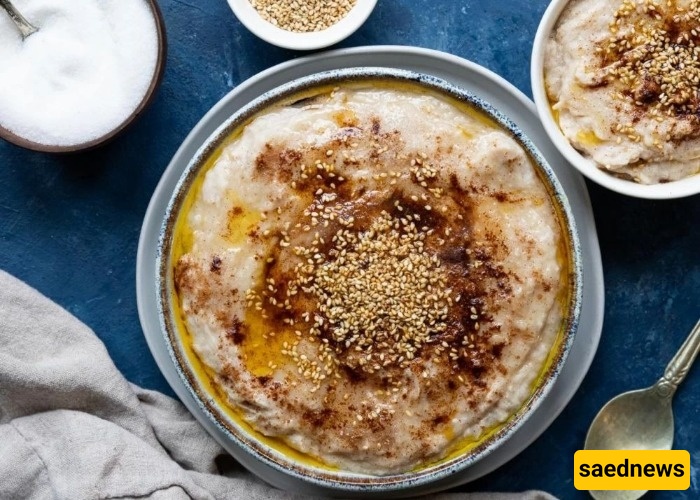
Cinnamon is a popular addition to haleem because it enhances the dish's flavor and aroma.
In traditional food practices, cinnamon is also believed to support digestion. Since haleem has a thick consistency and can take longer to digest, adding aromatic spices such as cinnamon is traditionally thought to help improve the digestive process.
Haleem contains wheat and meat, making it a source of iron. This can be beneficial for women, young girls, and people who may be at risk of iron deficiency.
Other potential nutritional benefits include:
Supports immune function: Wheat haleem contains B vitamins and antioxidants that contribute to the body's natural defenses.
Provides essential nutrients during pregnancy: Haleem contains zinc, magnesium, iron, niacin, protein, carbohydrates, fat, and calcium, which contribute to normal maternal nutrition and fetal development.
Provides energy: Its relatively high calorie content may help people who need additional dietary energy during pregnancy.
Suitable during breastfeeding: Haleem can be included in a balanced diet while breastfeeding.
Supports skin and hair health: Zinc and other nutrients contribute to maintaining healthy skin and hair.
Supports bone health: Its mineral content contributes to maintaining strong bones and may help reduce the risk of osteoporosis when included as part of a balanced diet.
Haleem can be a suitable meal for physically active men and athletes because it contains protein, which supports muscle growth and tissue repair.
Other benefits include:
Supports immune health: Minerals such as iron, zinc, and selenium contribute to normal immune system function.
Provides lasting energy: Complex carbohydrates supply energy for everyday activities.
Supports physical performance: Its combination of protein and carbohydrates makes it a filling meal for people with active lifestyles.
Supports general health: A balanced intake of its nutrients contributes to overall well-being.
When consumed in appropriate portions, haleem can be a nutritious food choice for children, teenagers, adults, and older people.
Its potential nutritional benefits include:
Helping prevent constipation due to its fiber content.
Supporting the body's natural immune defenses.
Contributing to healthy bones and teeth.
Providing nutrients involved in collagen production.
Supporting healthy hair.
Helping maintain healthy cholesterol levels when prepared with limited saturated fat.
Supporting cardiovascular health as part of a balanced diet.
Providing nourishment during recovery from illness.
Supporting energy levels and general well-being.
Supplying nutrients that contribute to digestive health.
Haleem should not be considered a treatment or cure for cancer or digestive diseases.
To enjoy haleem safely, follow these important hygiene and food storage recommendations:
Buy from licensed food establishments: Purchase haleem only from authorized vendors that follow proper food safety and hygiene regulations. Avoid buying it from unhygienic locations.
Prepare it at home when possible: Making haleem at home allows you to control the ingredients, preparation methods, and hygiene conditions.
Use appropriate containers: Transfer freshly purchased haleem into clean glass or ceramic containers.
Avoid disposable plastic containers for hot food: Do not pour very hot haleem into disposable plastic containers. Some plastics may release unwanted chemicals when exposed to high temperatures. Use food-safe containers designed for hot meals.
Bring your own container: Consider taking a suitable pot or food container when purchasing haleem.
Use instant haleem powder properly: Once the package has been opened, follow the manufacturer's storage and preparation instructions. Do not leave the powder exposed to moisture or store it improperly.
Check for signs of spoilage: Avoid using instant haleem powder if it has developed unusual clumps, moisture, discoloration, or signs of mold.
Balance your meals: If you eat haleem for breakfast, choose a lighter lunch and avoid excessive fatty or fried foods throughout the day.
Avoid consuming spoiled or improperly stored haleem: Cooked haleem should be refrigerated promptly and stored safely. Do not leave it at room temperature for extended periods. Reheat it thoroughly before eating.
Choose a gentle Iftar meal: Rather than breaking your fast with a large, heavy portion of haleem, begin with a light meal and warm or room-temperature fluids, then eat a moderate portion if desired.
Final Note: Haleem can be a nutritious and satisfying traditional meal when prepared hygienically and eaten in moderation. Its nutritional value depends on the ingredients, cooking method, portion size, and additional toppings. Choosing moderate portions and limiting excess sugar and oil can help you enjoy haleem as part of a balanced diet.