SAEDNEWS: Fantasy hair color is one of the boldest beauty choices, but it is important to carefully consider its advantages and disadvantages before making a decision.

According to Saednews, Fantasy hair colors have become one of the boldest beauty trends in recent years, gaining popularity among people of different age groups. Colors such as blue, purple, pink, green, silver, and creative combinations stand out from natural shades, offering a distinctive and eye-catching appearance.
However, before deciding to try a fantasy hair color, it is important to carefully consider its advantages and disadvantages. This article provides a structured, professional overview of the benefits and drawbacks of fantasy hair coloring to help you make a more informed decision.
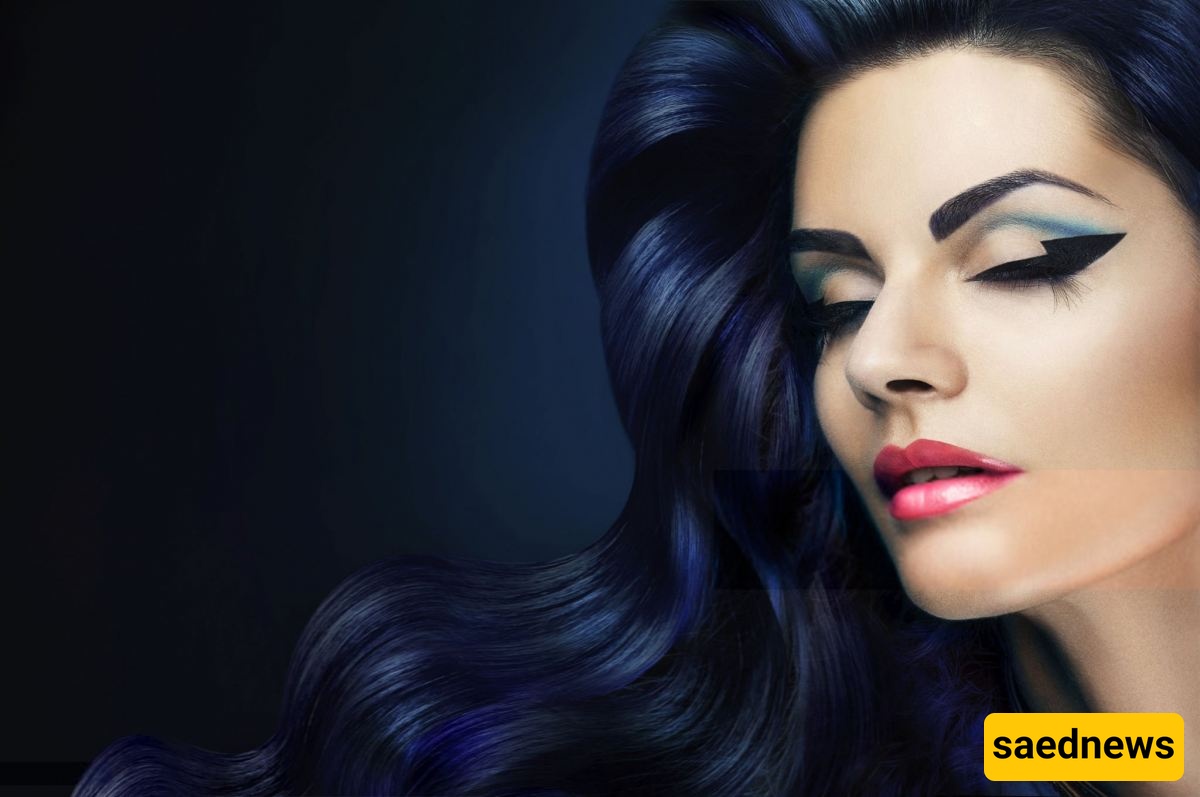
Fantasy hair color refers to shades that are uncommon in natural human hair or are artificially created in vivid, unconventional tones. These colors can be applied as temporary, semi-permanent, or permanent dyes and are often used to achieve artistic, expressive, and modern looks.
Contrary to popular belief, fantasy hair colors are not limited to extremely bright shades. Smoky, silver, burgundy, and multicolored combinations can also fall into this category.
Choosing a fantasy hair color depends on several factors, including your natural hair color, hair health, the level of lightening required, and the type of coloring product used. Some shades can be achieved without bleaching or with mild bleaching, while lighter and more neutral shades usually require additional preparation.
This is why the pros and cons of fantasy hair color should be evaluated according to individual circumstances.
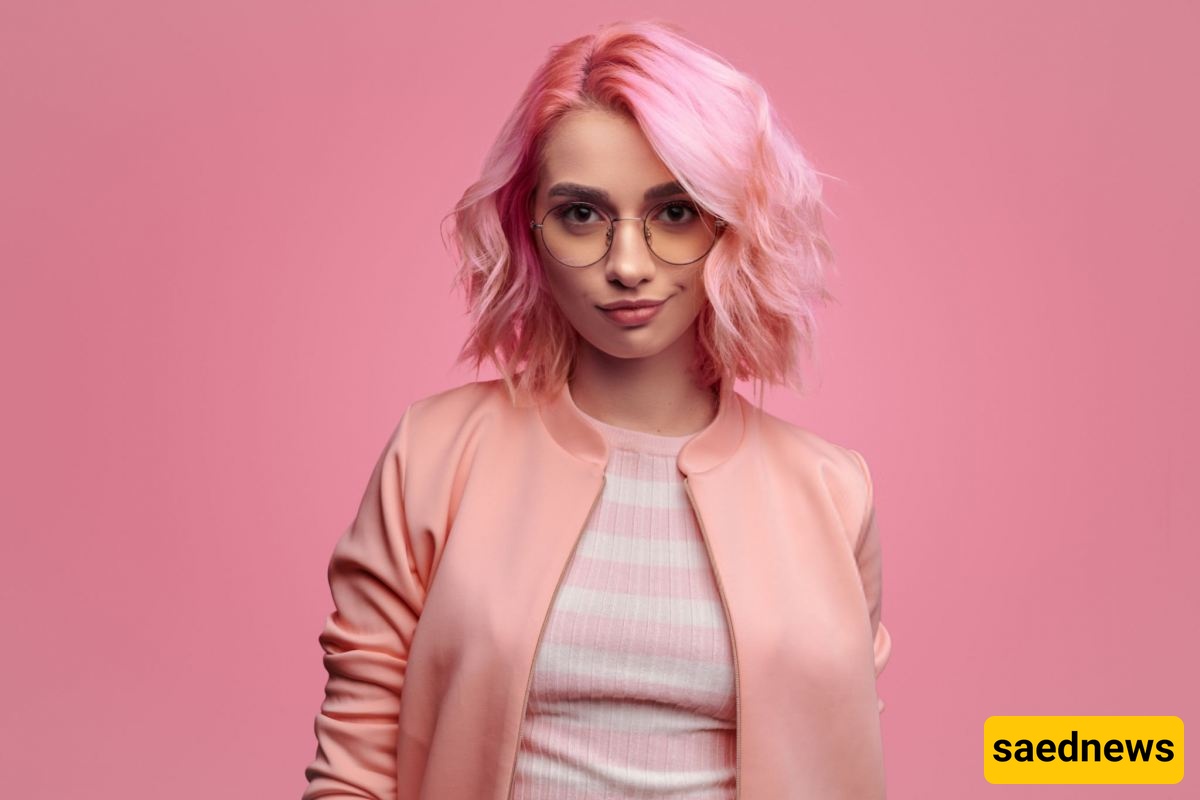
One of the greatest advantages of fantasy hair color is the opportunity to express personality and creativity. Many people choose unconventional shades to reflect their inner feelings, artistic tastes, or unique perspectives.
In this context, hair color is more than a cosmetic change; it becomes a way to express identity and stand out. This is particularly appealing to people interested in fashion, art, and design.
Changing your hair color can create a sense of freshness and excitement. When people feel satisfied with their appearance, their self-confidence may also improve.
Because fantasy hair colors are bold and distinctive, they can attract positive attention and strengthen a person's satisfaction with their overall appearance.
However, this effect is most likely when the chosen shade complements the individual's preferences, skin tone, and clothing style.
Fantasy hair colors have an important place in social media, photography, advertising, and the fashion industry. Many people are inspired to try these shades after seeing different styles online.
For individuals working in content creation, hairstyling, fashion, or photography, fantasy hair color can become part of their professional style and personal brand identity.
This has helped transform fantasy hair coloring from a purely recreational choice into a more intentional style statement.
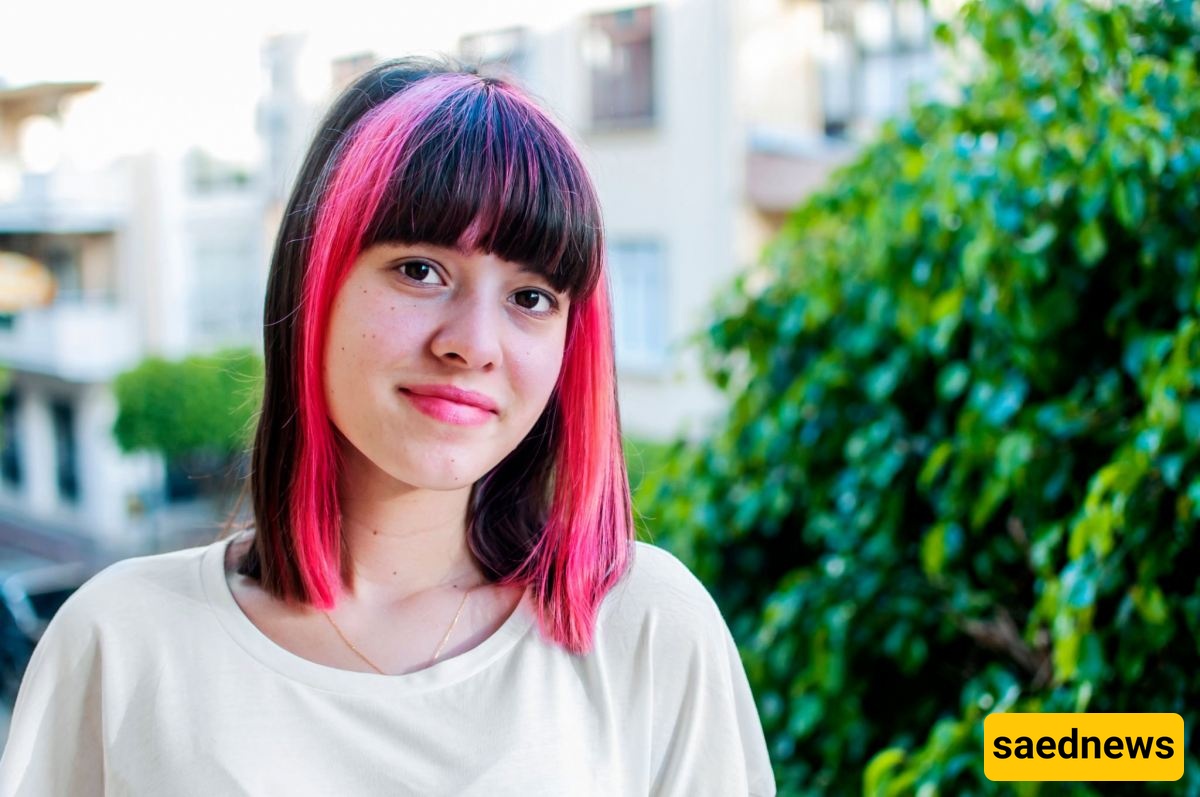
Fantasy hair colors offer an extensive range of possibilities. From soft pastel shades to vivid and neon colors, individuals can choose an option that matches their preferred level of boldness.
Some temporary and semi-permanent products also allow people to experiment without making a long-term commitment.
This is particularly beneficial for those who are unsure about their preferred shade or work in environments where unconventional appearances may be restricted.
Fantasy hair colors can be used to create contrast, enhance a hairstyle, and help disguise certain color inconsistencies.
In some cases, combining fantasy shades with natural hair colors can make gray hair less noticeable or add visual depth and dimension. However, this should be performed by a professional to achieve a balanced and flattering result.
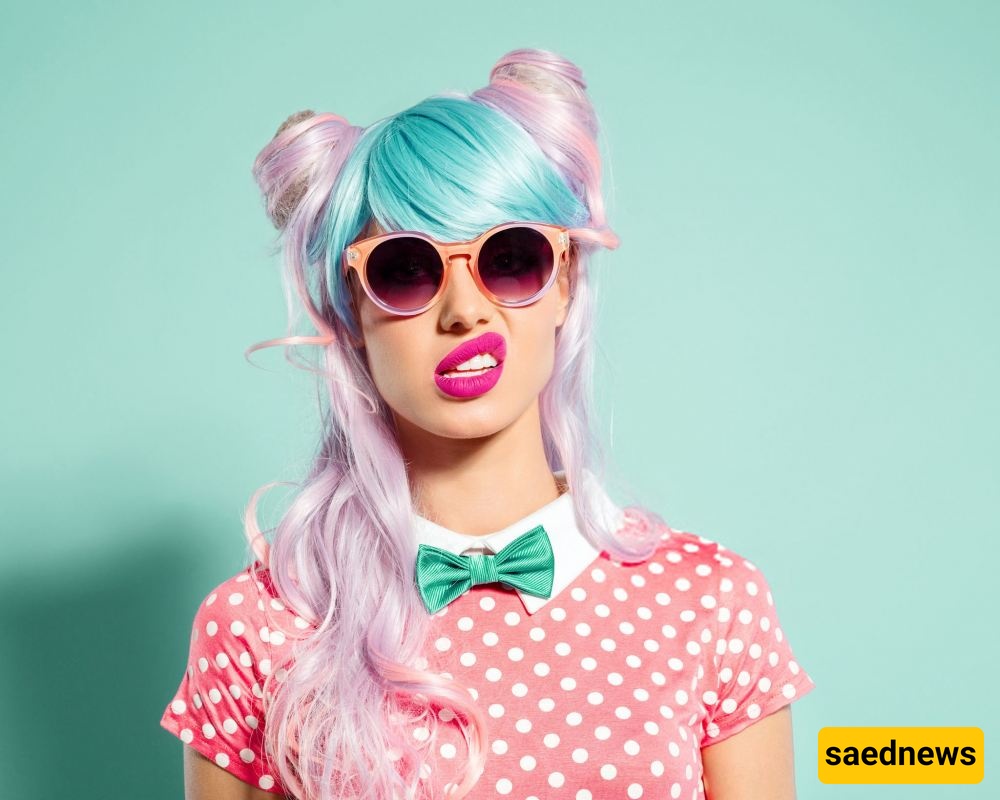
One of the main disadvantages of fantasy hair coloring is the potential for hair damage. Achieving many bright and vivid shades requires bleaching or lightening the hair.
This process can affect the hair's structural bonds, leading to dryness, brittleness, split ends, and reduced shine.
The extent of the damage depends on the hair's initial condition, the colorist's expertise, and the quality of the products used. Therefore, people with severely damaged or weakened hair should approach fantasy coloring with extra caution.
Fantasy hair colors generally fade faster than natural-looking shades. Frequent washing, sunlight, heat from blow-dryers, and unsuitable hair products can cause fading or changes in tone.
As a result, maintaining the desired color requires time and money for touch-ups, color-safe shampoos, and additional hair care treatments.
Ongoing maintenance is an essential part of the fantasy hair coloring experience.
Fantasy hair coloring often requires more products, expertise, and time than conventional hair coloring. When performed by a professional in a salon, it can cost significantly more than standard coloring services.
In addition to the initial appointment, hair masks, color-protecting shampoos, and toners may create extra expenses.
For people who refresh their color regularly, these costs can become substantial over time.
Not all workplaces or educational institutions accept unconventional appearances. Fantasy hair colors may be restricted in certain organizations, customer-facing professions, formal environments, or schools.
These limitations can cause concern or require individuals to wear wigs, cover their hair, or change their color quickly.
Before choosing a fantasy shade, it is important to check the appearance policies of your workplace or educational institution.
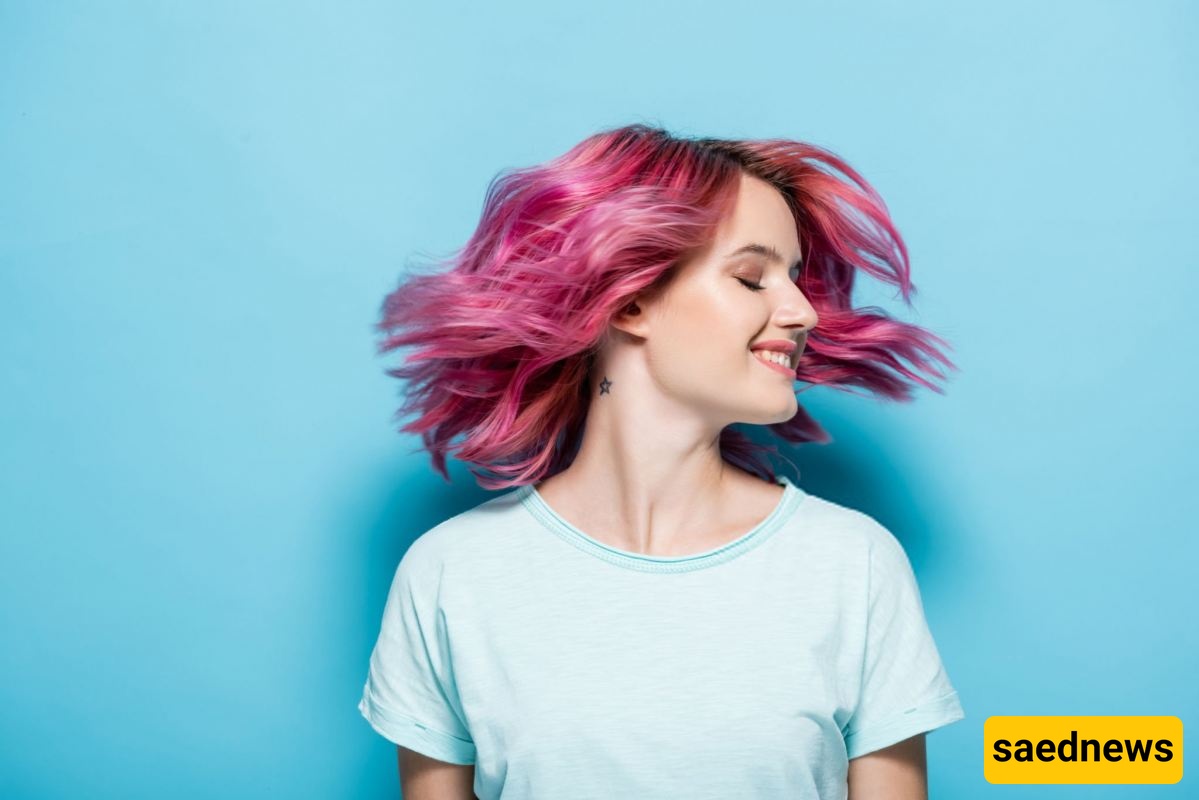
Like other chemical products, fantasy hair dyes may cause allergic reactions, itching, redness, or scalp irritation in some individuals.
Performing an allergy test before coloring is an important precaution for reducing this risk.
People with sensitive skin, a history of allergies, or existing skin conditions should consult a qualified professional. Using high-quality products and following the manufacturer's instructions can also help minimize irritation.
Another disadvantage of fantasy hair coloring is the difficulty of returning to your natural shade or changing to a different color.
Some fantasy pigments are difficult to remove and may require color correction, additional bleaching, or cutting off part of the hair.
These processes can increase both the cost and the risk of damage. Before selecting a shade, it is therefore important to understand how long it may last and what removal methods might be necessary.
The final result depends on several key factors: the hair's base color, its overall health, the type of dye, the colorist's skill, and the aftercare routine.
Dark hair generally requires more preparation to achieve lighter fantasy shades.
Additionally, warm or cool shades should be selected to complement the individual's skin undertone and eye color. Consulting a professional colorist can help prevent unsuitable choices and costly color corrections.
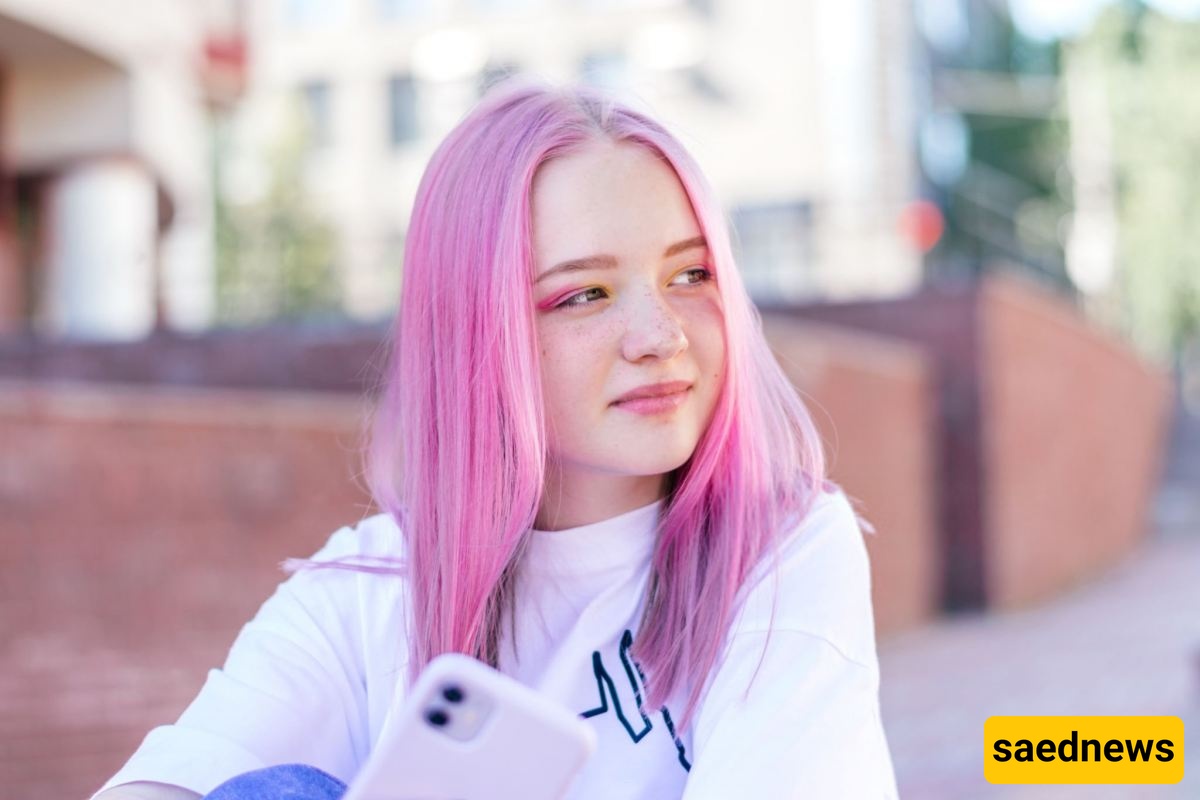
To enjoy the benefits of fantasy hair coloring while minimizing its drawbacks, consider the following recommendations:
Assess your hair's condition: Evaluate its strength and health before coloring.
Perform an allergy test: Follow the product manufacturer's instructions before applying the dye.
Choose quality products and professional services: Experienced colorists can help reduce the risk of uneven results and unnecessary damage.
Use color-safe hair care products: Incorporate shampoos and masks specifically designed for colored hair into your routine.
Limit excessive heat and washing: Avoid frequent washing and high-temperature styling to help preserve the color.
Choose a practical shade: Consider your lifestyle, workplace requirements, budget, and the amount of time you can dedicate to maintenance.

Fantasy hair color is an exciting and powerful way to express personality, showcase creativity, and transform your appearance. Its main advantages include increased confidence, a wide variety of shades, alignment with fashion trends, and the freedom to express individuality.
However, its disadvantages—including potential hair damage, higher costs, ongoing maintenance, workplace restrictions, and the risk of allergic reactions—should not be overlooked.
The decision to choose a fantasy hair color should be based on careful consideration of your personal circumstances. For individuals with healthy hair, an appropriate budget, sufficient time for maintenance, and a supportive environment, fantasy coloring can be an enjoyable experience with manageable risks.
For those who prefer a lower-maintenance option, softer shades or temporary coloring products may be more practical alternatives.
Ultimately, fantasy hair color is a creative beauty choice that can enhance personal style when approached thoughtfully rather than treated as an impulsive, short-term decision.