SAEDNEWS: In this article, we explore Iran’s remarkable historical landmarks that have earned a place on UNESCO’s World Heritage List.
According to Saednews, Iran has long held a prominent place in the history of human civilization. Wherever traces of ancient civilizations can be found around the world, Iran’s name is often mentioned. In a welcome development, the historic city of Yazd was inscribed on the UNESCO World Heritage List.
The historic city of Yazd was inscribed on the UNESCO World Heritage List on Sunday, joining 21 cultural and natural sites from Iran that had previously been recognized by UNESCO.
Iran’s UNESCO World Heritage List includes 21 sites that were registered before Yazd’s inscription. The most remarkable year for the inscription of Iran’s valuable heritage sites was 1979, when three sites—Chogha Zanbil, Naqsh-e Jahan Square in Isfahan, and Persepolis—received UNESCO recognition.
Below is an overview of Iran’s 21 valuable heritage sites that had previously been inscribed on the UNESCO World Heritage List.
Province: Khuzestan
Inscription year: 1979
Reference number: 113
Chogha Zanbil is an ancient religious sanctuary built during the Elamite period, around 1250 BC. It is the surviving remnant of the ancient city of Dur Untash.
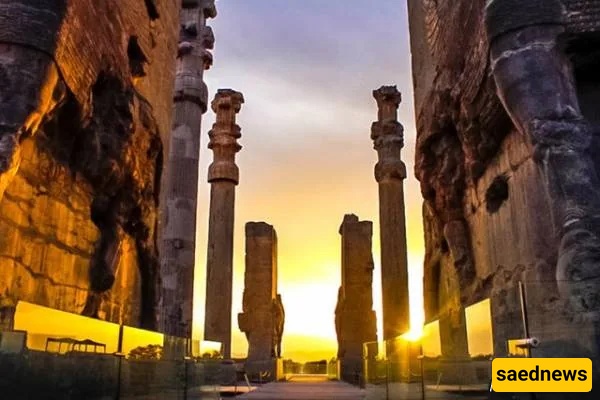
Province: Fars
Inscription year: 1979
Reference number: 114
Persepolis, also known as Parseh, is the name of an ancient Iranian city located in Marvdasht County, in the northern part of Fars Province. The archaeological complex contains a series of palaces known as Persepolis, constructed during the reigns of Darius the Great, Xerxes I, and Artaxerxes I.
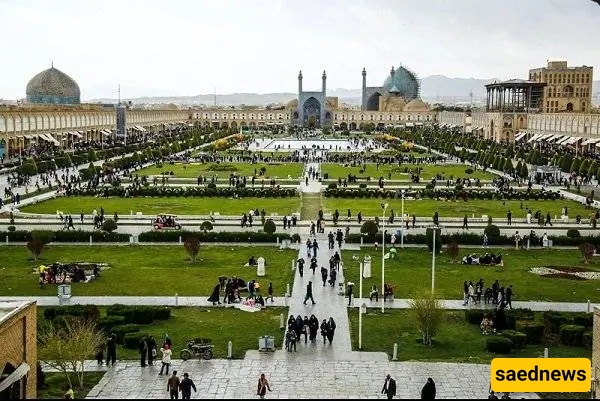
Province: Isfahan
Inscription year: 1979
Reference number: 115
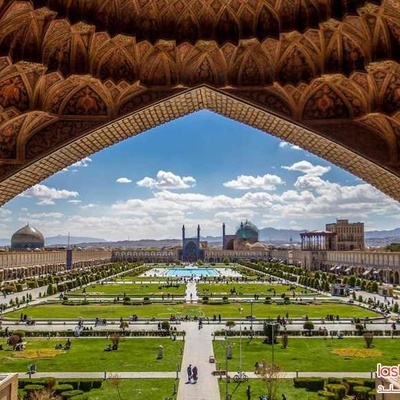
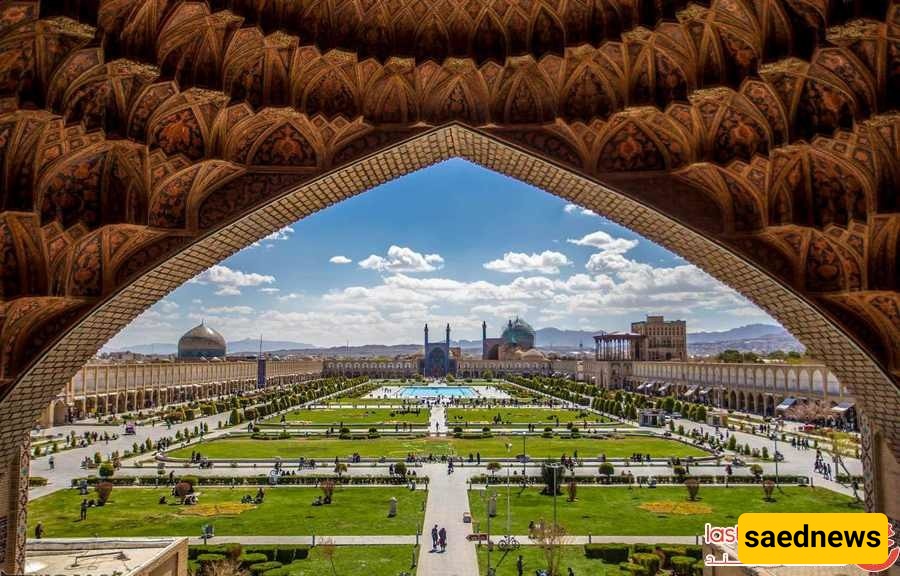
Naqsh-e Jahan Square is a large rectangular public square in Isfahan, surrounded by buildings dating from the Safavid period. The square took its present form during the reign of Shah Abbas I of the Safavid dynasty.
Its historic buildings include Ali Qapu Palace, Imam Mosque, Sheikh Lotfollah Mosque, and the Qeysarieh Gate.
Province: West Azerbaijan
Inscription year: 2003
Reference number: 1077
Takht-e Soleyman is a large archaeological site near Takab and the village of Takht-e Soleyman in West Azerbaijan Province.
The historic structures were built around a natural lake. Remains from the Parthian, Sasanian, and Ilkhanid periods have been discovered at the site. Among its most significant surviving structures are the Zoroastrian fire temple and halls dating from the Sasanian era.
Province: Kerman
Inscription year: 2004
Reference number: 1208
The Bam Citadel is located in the northeastern part of Bam, adjacent to the city and near the ancient Silk Road. According to various historical accounts, its origins date back to either the Parthian or Achaemenid period.
The citadel remained inhabited until the late Qajar period. This renowned historical monument was severely damaged by the devastating earthquake that struck Bam at a magnitude of 6.6 at 5:26 a.m. on December 26, 2003.
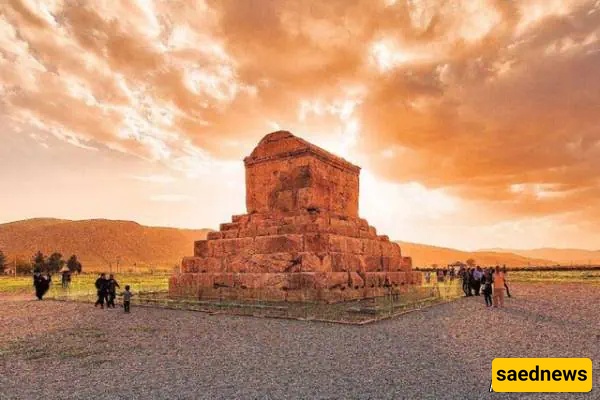
Province: Fars
Inscription year: 2004
Reference number: 1106
The Pasargadae World Heritage Site is a collection of archaeological remains from the Achaemenid Empire, located in Pasargadae County in Fars Province.
The complex includes the Tomb of Cyrus the Great, the Royal Gardens of Pasargadae, the Gate Palace, a bridge, the Audience Palace, the Residential Palace, two pavilions, the water channels and pools of the royal garden, the Tomb of Cambyses, the defensive structures of Tall-e Takht, the Mozaffari Caravanserai, the Sacred Precinct, and the Bolaghi Gorge.
Province: Zanjan
Inscription year: 2005
Reference number: 1188
The Soltaniyeh Dome is the mausoleum of Muhammad Khodabandeh, also known as Öljaitü. It was built between 1302 and 1312 in Soltaniyeh, the capital of the Ilkhanid dynasty.
It is considered one of the most significant works of Iranian and Islamic architecture. The monument is renowned worldwide for its architectural design, decoration, and immense size. Its dome is blue and rests above a polygonal structure. Historical accounts describe its height as approximately 120 gaz, an old unit of measurement.
Province: Kermanshah
Inscription year: 2006
Reference number: 1222
The Behistun Inscription is the world's largest known rock inscription and one of the earliest surviving written records in the Old Persian language. Dating to approximately 520 BC, during the Achaemenid dynasty, it is located on Mount Behistun in Harsin County, about 30 kilometers from Kermanshah.
The inscription is one of the most important historical documents from the ancient world and a major source of information about the Achaemenid period. It describes Darius the Great’s victory over Gaumata, the Magian pretender, and his suppression of the rebels.
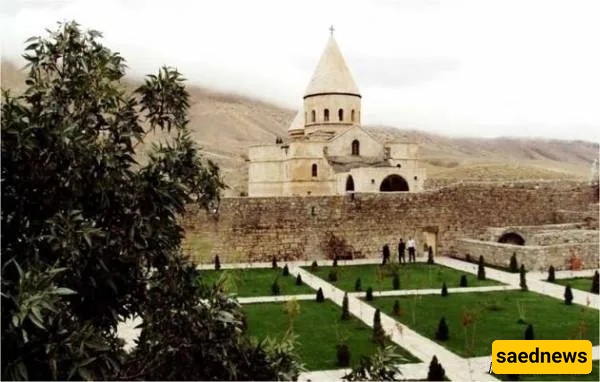
Provinces: East Azerbaijan and West Azerbaijan
Inscription year: 2008
Reference number: 1262
The Armenian monastic ensembles of Iran comprise several historic churches, including:
Saint Thaddeus Monastery, also known as Qara Kelisa
Saint Stepanos Monastery
Chapel of Dzordzor
Holy Mother of God Church in the Darasham area
Shepherd's Church, also known as Chupan Chapel
These monuments reflect the long-standing Armenian Christian heritage of northwestern Iran.
Province: Khuzestan
Inscription year: 2009
Reference number: 1315
The Shushtar Historical Hydraulic System was constructed during the Sasanian period to harness the power of water to operate industrial mills.
This extensive complex includes mill buildings, waterfalls, canals, large water-conveyance tunnels, and Sika, an area historically used for rest and recreation.
In the travel writings of the renowned French archaeologist Jane Dieulafoy, the site was described as one of the largest industrial complexes of the pre-industrial era.
Province: East Azerbaijan
Inscription year: 2010
Reference number: 1346
The Tabriz Bazaar is one of Iran’s largest and most important traditional covered markets and is among the most significant of its kind in Asia.
Covering approximately one square kilometer, it is considered the world's largest interconnected covered bazaar. The complex consists of numerous smaller markets, domed commercial halls, courtyards, trading houses, and caravanserais.
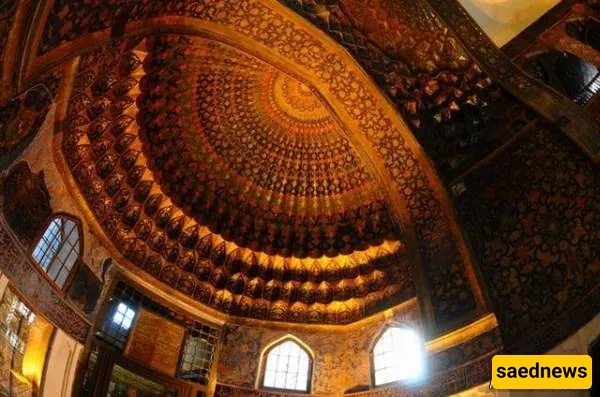
Province: Ardabil
The magnificent shrine complex is dedicated to Sheikh Safi al-Din Ardabili, a renowned Sufi mystic and ancestor of the Safavid kings. It was constructed in 1336 by his son, Sadr al-Din Musa.
During the Safavid period, the shrine was embellished by some of the era’s leading artists and craftsmen.
One of the complex’s distinctive features is its collection of dozens of exceptional works of art, representing a wide range of artistic disciplines and themes.
Provinces: Fars, Mazandaran, Isfahan, Kerman, Yazd, and Khorasan
Inscription year: 2011
Reference number: 1372
The Persian Garden is defined by its distinctive structure and unique design principles. The garden at Pasargadae is considered a foundational example of Persian garden architecture.
According to historical accounts, Cyrus the Great personally directed the design of the gardens at Pasargadae. Their geometric layout and overall appearance are regarded as important influences on the Persian garden tradition.
During the Sasanian period, gardens also became prominent features in front of palaces and temples.
In 2011, nine Persian gardens were inscribed on the UNESCO World Heritage List: Pasargadae, Eram, Chehel Sotoun, Fin, Abbasabad, Shazdeh, Dowlatabad, Pahlavanpur, and Akbarieh.
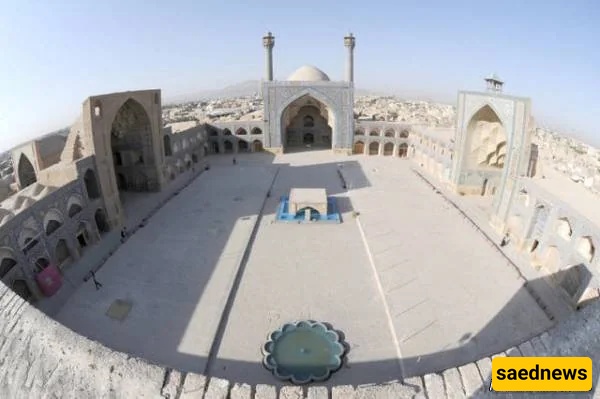
Province: Isfahan
Inscription year: 2012
Reference number: 1397
Masjed-e Jameh of Isfahan is one of Iran’s oldest and most important religious monuments.
The extensive historic complex measures approximately 170 by 140 meters and is located in northeastern Isfahan, near the old town square.
The mosque contains several architectural sections, including the Nizam al-Mulk Dome, Taj al-Mulk Dome, four iwans, prayer halls, the Mozaffari school, and the Oljeitu Mihrab. Each reflects a particular stage in the development of Islamic architectural art.
The mosque follows the Razi architectural style and reflects Byzantine and classical influences within a traditional Islamic structure.
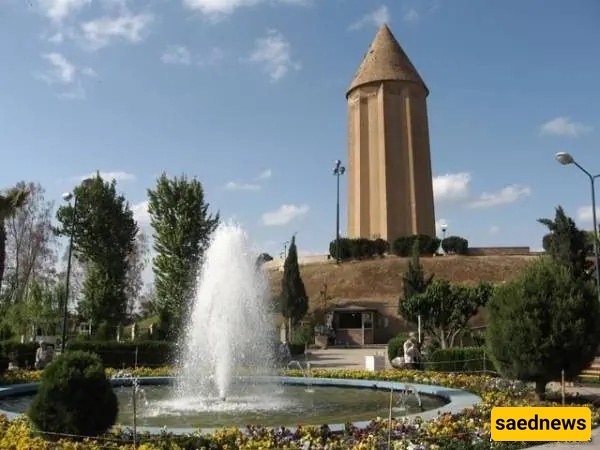
Province: Golestan
Inscription year: 2012
Reference number: 1398
Gonbad-e Qabus is a historic tower dating to the fourth century AH, located in the city of Gonbad-e Kavus in northern Iran’s Golestan Province.
The tower follows the Razi architectural style and is recognized as the world's tallest entirely brick-built tower. It stands atop an artificial earthen mound approximately 15 meters above the surrounding ground.
The monument was built in 1006–1007 AD, during the reign of Qabus ibn Wushmgir, also known as Shams al-Ma'ali Qabus, in the historic region of Gorgan, which served as the capital of local rulers.
A popular local saying holds that any stranger who walks around the tower will eventually settle in the city.
Province: Tehran
Inscription year: 2013
Reference number: 5194
Golestan Palace is a complex of historic buildings located in Tehran’s Arg Square. Its structures were built at different times, and its name derives from the Golestan Hall, situated in the outer section of the complex.
The palace was once part of Tehran’s historic royal citadel. Its origins can be traced to the construction of the old Tehran citadel during the reign of Shah Tahmasp I of the Safavid dynasty.
The complex’s principal structures were built within Tehran’s old defensive walls. It was substantially expanded during the Qajar period and became the residence of Qajar kings.
During the Pahlavi era, the palace was used for official ceremonies and as accommodation for presidents and distinguished foreign guests.
Province: Sistan and Baluchestan
Inscription year: 2014
Reference number: 5185
Shahr-e Sukhteh is the name given to the remains of an ancient urban settlement in Iran. It was built on the alluvial deposits near the mouth of the Helmand River, close to Lake Hamun, and once stood along the riverbank.
The city flourished during the Bronze Age, around the same period as the Jiroft civilization. People lived in this settlement approximately 6,000 years ago.
Covering an area of 280 hectares, the city consisted of five principal sections: residential areas, central districts, an industrial zone, monumental buildings, and a cemetery. These sections were arranged across a series of adjoining mounds.
Province: Kerman
Inscription year: 2015
Reference number: 1423
Meymand is an ancient rock-hewn village whose history stretches back several thousand years. It is considered one of the earliest human settlements in Iran.
The village contains approximately 406 interconnected cave dwellings and 2,560 rooms. Its inhabitants maintain distinctive customs and traditions, and their language and dialect still preserve words from Middle Persian, associated with the Sasanian period.
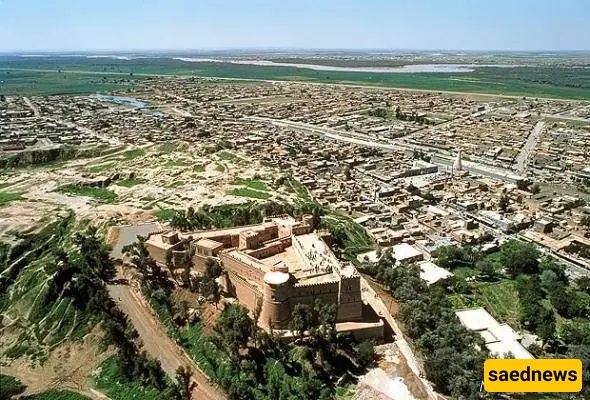
Province: Khuzestan
Inscription year: 2015
Reference number: 1455
The ancient city of Susa is one of the oldest known human settlements in the world. According to archaeological and historical records, it was once among the most important and magnificent cities of ancient Iran and the wider ancient world.
Susa served as a meeting point between two major civilizations, each of which influenced the other in significant ways.
Provinces: Razavi Khorasan, South Khorasan, Yazd, Kerman, Markazi, and Isfahan
Inscription year: 2016
Reference number: 1506
The exceptional value of Persian qanats lies in the engineering techniques used to construct them and their distinctive characteristics, including their remarkable depth, length, and age.
The UNESCO-listed collection comprises 11 qanats:
Qasabeh Qanat in Gonabad
Baladeh Qanat in Ferdows
Hassanabad and Zarch qanats in Yazd Province
Ebrahimabad Qanat in Arak
Mazdabad and Vazvan qanats in the Meymeh district of Isfahan Province
The two-level qanat of Ardestan
Jupar Qanat in Kerman
Akbarabad Qanat in Kerman
Qasemabad Qanat in Baravat, Kerman
These underground water systems demonstrate the ingenuity of traditional Iranian water management in arid environments.
Provinces: South Khorasan, Kerman, and Sistan and Baluchestan
Inscription year: 2016
Reference number: 1505
The Lut Desert was the first natural site in Iran to be inscribed on the UNESCO World Heritage List.
Evidence of more than 5,000 years of civilization around the desert, together with the discovery of approximately 3,000 historical artifacts in the region, makes the area particularly significant. Among these discoveries is the 5,000-year-old Shahdad Standard, considered one of the oldest known metal standards in the world.
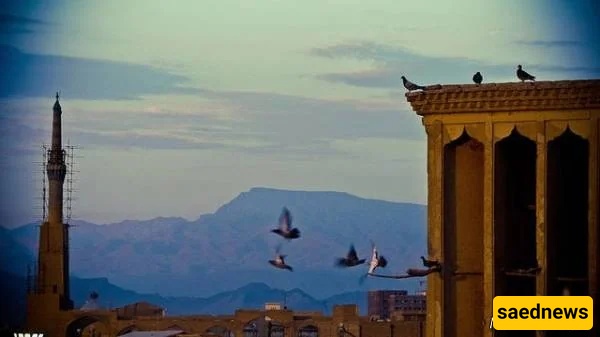
Province: Yazd
Inscription year: 2017
Reference number: 1544
The city of Yazd is located in the central Iranian plateau, approximately 270 kilometers southeast of Isfahan, near the historic Silk Road.
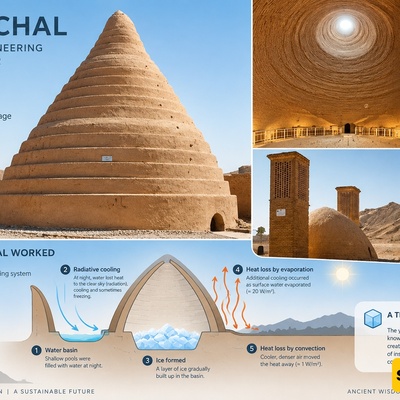
Yazd is an outstanding example of how communities have adapted intelligently to the limited natural resources of a desert environment. Water is supplied through a traditional qanat system, an underground network developed to transport water over long distances.
The city's earthen architecture has largely escaped the modernization that has destroyed many other traditional mud-brick settlements. Yazd has preserved its historic neighborhoods, qanat system, traditional houses, bazaar, public baths, mosques, places of worship, Zoroastrian temples, and the historic Dowlatabad Garden.
Its architecture and traditional infrastructure demonstrate centuries of adaptation to the challenges of life in an arid climate, making Yazd a remarkable example of sustainable desert urbanism.