SAEDNEWS: Chinikhaneh(Chinese porcelain House) is the place where all the Chinese porcelain gifted by the Chinese Emperor to Shah Abbas is displayed. These exquisite pieces were presented as part of an effort to revive the Silk Road and strengthen relations between the Chinese and Iranian peoples.
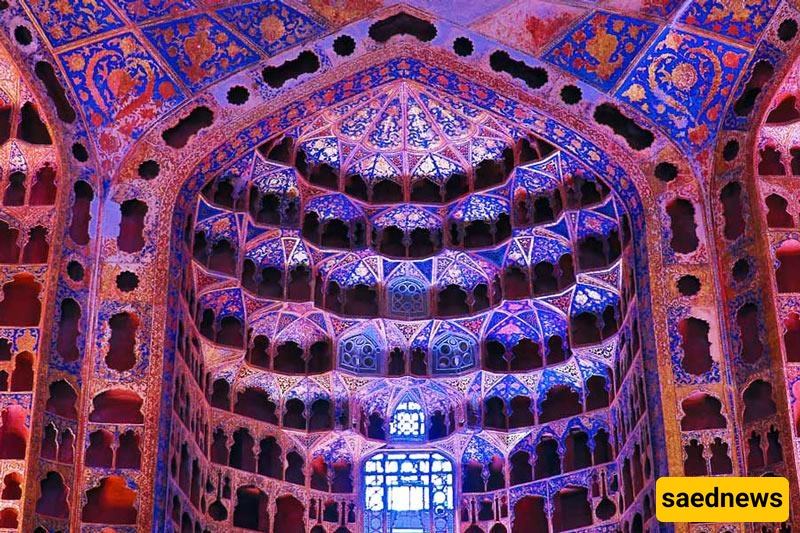
According to Saednews, Chinikhaneh Hall is one of the most remarkable surviving halls from the reign of Shah Abbas I of the Safavid dynasty in Ardabil, Iran. The hall is traditionally attributed to Sheikh Baha’i and is believed to have been designed more than 400 years ago.
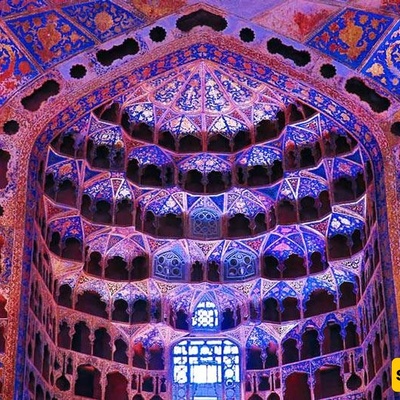
Located on the eastern side of Qandilkhaneh, the main prayer hall of the Sheikh Safi al-Din Khanegah and Shrine Ensemble, Chinikhaneh features four royal seating areas and beautifully decorated arches adorned with intricate plaster muqarnas. Its combination of paintings, gilded details, harmonious colors, floral motifs, and delicate decorative patterns creates an elaborate interior that has long attracted visitors.
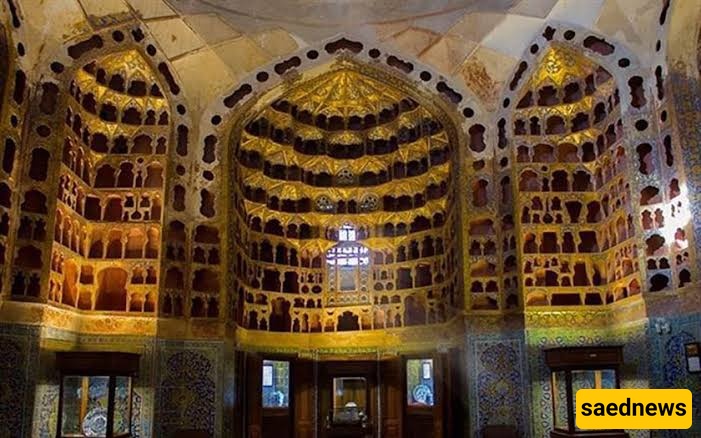
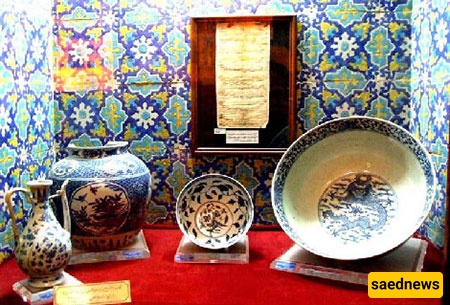
The structure is known for its remarkable strength and durability. The hall contains 1,256 recessed niches, which once displayed Chinese porcelain presented by the Chinese emperor to Shah Abbas, along with porcelain commissioned by the Iranian government from China.
After arriving in Iran, the porcelain pieces were reportedly marked by craftsmen in Isfahan with the inscription “Servant of the King of Guardianship, Abbas” before being transported to Ardabil and placed inside the niches of Chinikhaneh Hall.
Shah Abbas is said to have stayed in Chinikhaneh Hall whenever he traveled to Ardabil for rest or spiritual retreats.
Historical accounts also state that following the signing of the Treaty of Turkmenchay, more than 800 pieces of Chinese porcelain, along with approximately 4,000 valuable handwritten manuscripts and numerous antiquities from the Sheikh Safi complex, were looted by General Paskevich. Some of these objects are now reportedly displayed in the Hermitage Museum and other museums in Russia.
Some of the porcelain from Chinikhaneh was later transferred to the National Museum of Iran in Tehran and to museums in Shiraz and Isfahan. In 1991 (1370 in the Iranian calendar), Chinikhaneh Hall was officially opened as a museum on International Museum Day after a portion of the collection was returned from the National Museum.
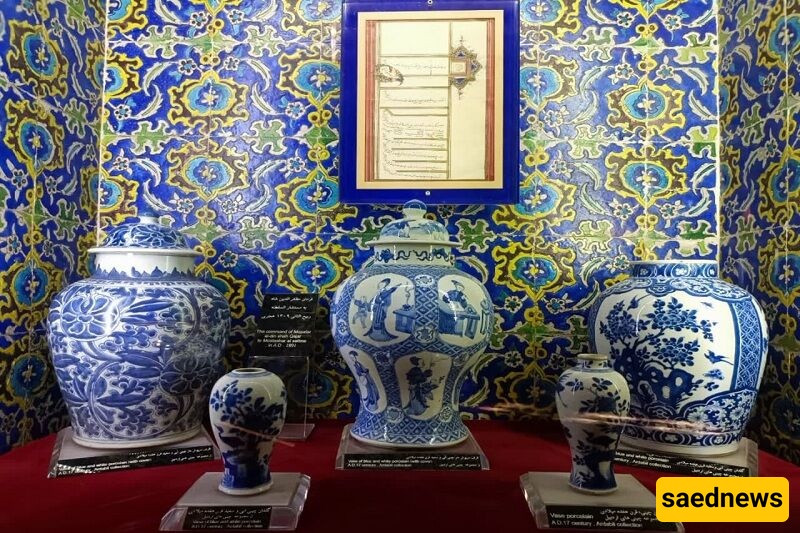
Beyond its collection of finely decorated Chinese porcelain and ornate vases, the hall contains other historically significant objects. Among them is a beautifully preserved Qur’an written in Kufic script on parchment, believed to be more than 1,100 years old and regarded as one of the oldest valuable Qur’anic manuscripts in Iran.
The collection also includes a Safavid royal seal bearing six of the names of God, as well as eight-petaled floral motifs associated with the mystical traditions of the Safavid rulers and twelve-petaled designs representing their identity as followers of Twelver Shiism. Safavid-era decrees and silver coins are also among the historical objects associated with the hall.