SAEDNEWS: In this article, we will explore different types of fabrics, their characteristics, and the key factors to consider when choosing the best fabric for a women’s blouse.
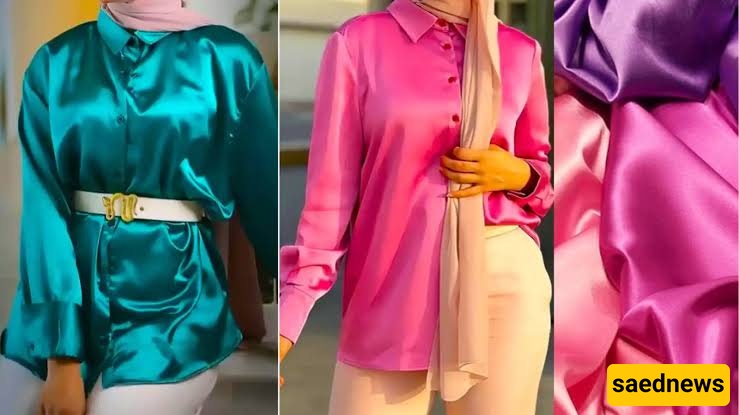
According to Saednews, A blouse is one of the most popular types of women’s clothing, valued for its comfort, versatility, and elegant appearance. Choosing the right fabric has a significant impact on the blouse’s comfort, appearance, durability, and overall performance.
There are many different fabrics used to make blouses. Below are some of the most common and practical options.
Cotton is one of the most popular choices for blouses. It is soft, breathable, and comfortable to wear. Cotton is also relatively easy to wash and maintain. Because it can absorb moisture, it is particularly suitable for warm weather and helps provide a cool, comfortable feeling.
Silk is a luxurious and elegant fabric that can give a blouse a sophisticated appearance. Its smooth texture, natural sheen, and lightweight feel make it especially suitable for dressier outfits. However, silk requires more careful maintenance and can be more delicate than other fabrics.
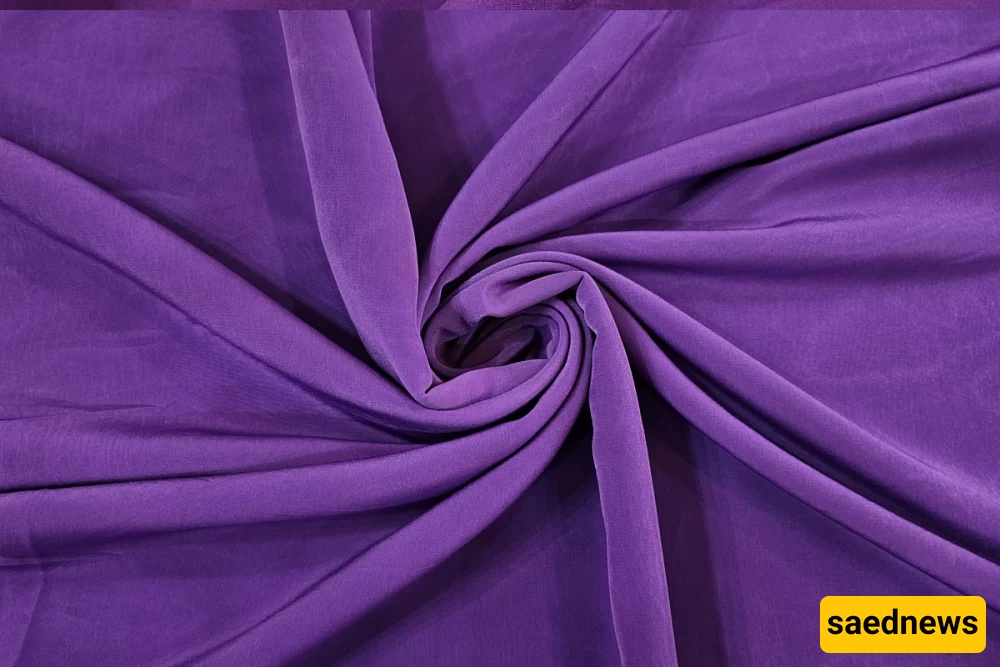
Linen is another excellent choice for blouses, especially during warmer months. Made from natural fibers, it is highly breathable and naturally cool. Linen can also be a comfortable option for people who tend to perspire more during summer. One drawback is that linen wrinkles easily, so it may require regular ironing.
Polyester is a practical choice because of its strength and durability. It is generally resistant to wrinkles and requires relatively little maintenance. Polyester also dries quickly and can provide some stretch and flexibility when blended with other fibers. However, it may feel warmer than breathable natural fabrics during hot weather.
Viscose, also known as rayon, is another popular fabric for blouses. It is made from plant-based cellulose fibers and is appreciated for its softness, smooth drape, and comfortable feel. Viscose can absorb moisture well and is suitable for comfortable everyday clothing. It is also relatively easy to care for, although some viscose garments may require gentle washing.
Choosing the right fabric depends on several factors, including the season, intended use, design, and maintenance requirements.
The fabric should be selected according to the season in which the blouse will be worn. For warm weather, breathable fabrics such as cotton and linen are generally suitable. For cooler weather, silk or fabrics made from blended fibers can provide additional comfort and warmth.
The intended use of the blouse also influences fabric selection. For everyday wear, comfortable and easy-care fabrics such as cotton or polyester can be practical choices. For formal occasions or more sophisticated outfits, fabrics such as silk or viscose can create a more elegant appearance.
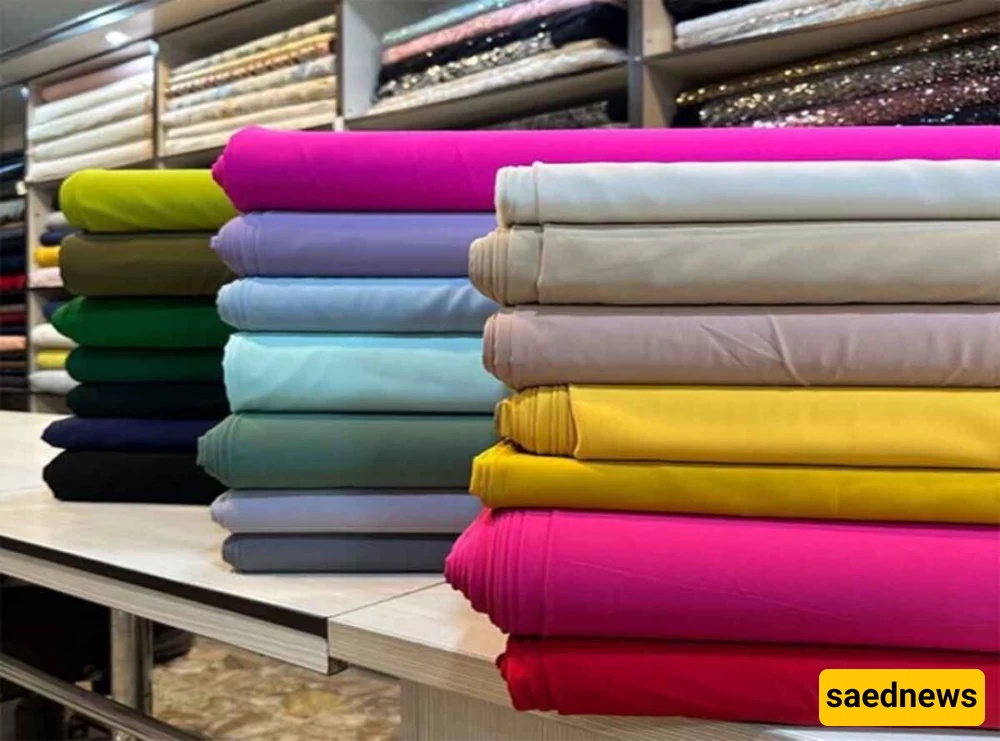
The blouse’s design and pattern should also be considered. Certain designs work better with specific types of fabric. For example, more complex patterns or fitted designs may benefit from fabrics with greater flexibility or stretch.
Different fabrics have different care requirements. Silk and linen may require more attention, such as gentle washing or lower ironing temperatures. Polyester and many cotton fabrics are generally easier to wash and maintain.
Cotton and linen are excellent choices for summer blouses because they are breathable and comfortable in warm weather.
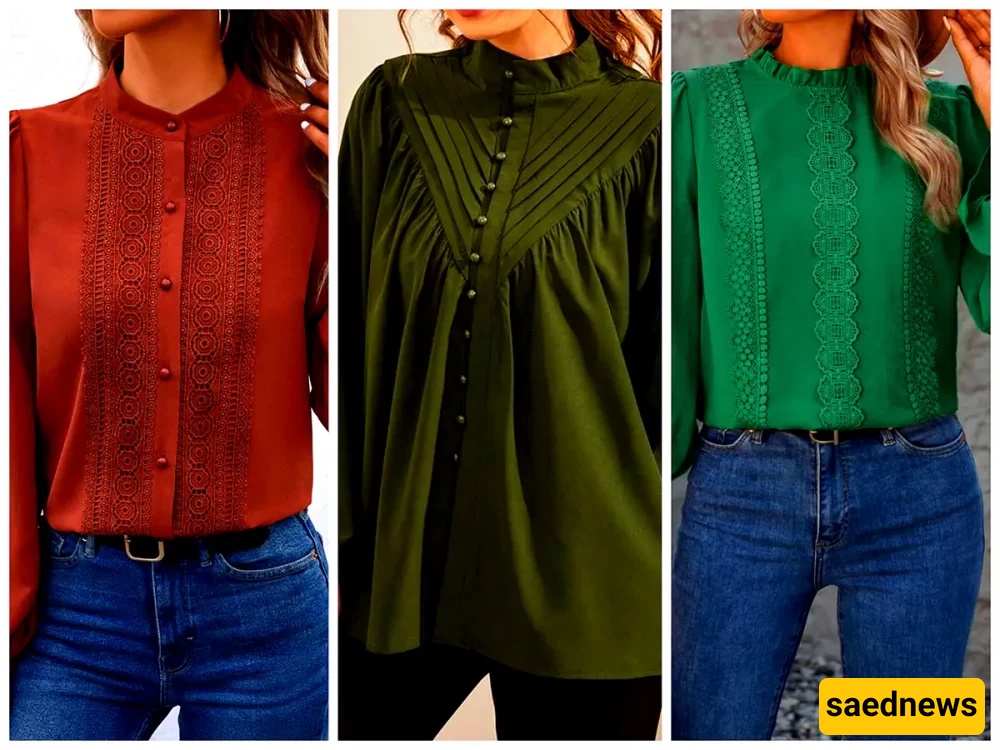
Yes. Silk can create a beautiful and elegant blouse, but it is more delicate and generally requires more careful washing and maintenance.
Yes. Polyester is durable, wrinkle-resistant, and easy to maintain. However, it may feel warmer than breathable fabrics during hot weather.
Using a lower ironing temperature and allowing the garment to dry flat can help manage wrinkles. Linen naturally develops some creasing, which is part of its characteristic appearance.
Silk and viscose are popular options for formal blouses because they can provide a smooth, elegant, and refined appearance.
Choosing the right fabric is an important part of designing and making a blouse. Each fabric offers different qualities in terms of comfort, appearance, durability, breathability, and maintenance. The ideal choice depends on the season, occasion, design, and personal preferences. By understanding the characteristics of different fabrics, you can choose a blouse material that combines style, comfort, and practicality.