SAEDNEWS: Simple routines, appealing presentation, and regular reminders can help children develop healthier water-drinking habits.
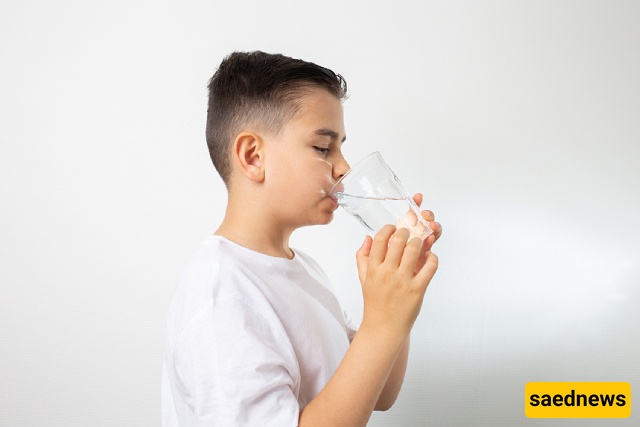
According to SAEDNEWS, children may not always recognize thirst or remember to drink water during a busy day. Rather than pressuring them to drink, parents can make water an easy and familiar part of daily routines.
Small changes can make drinking water feel more natural:
Keep water within reach
Place a suitable cup or reusable bottle where your child can easily see and access it. Having water available at home, during homework, and on outings can encourage regular drinking.
Offer water at regular times
Serve water with meals and snacks and offer it before and after active play. A predictable routine can help children remember to drink without constant reminders.
Let children choose their cup or bottle
Allowing a child to select a preferred bottle, cup, or design can make drinking water more appealing. The goal is to create a positive association rather than turn hydration into a source of conflict.
Make water the usual drink
When water is routinely offered, children can become more familiar with choosing it. Parents can also model the habit by drinking water themselves.
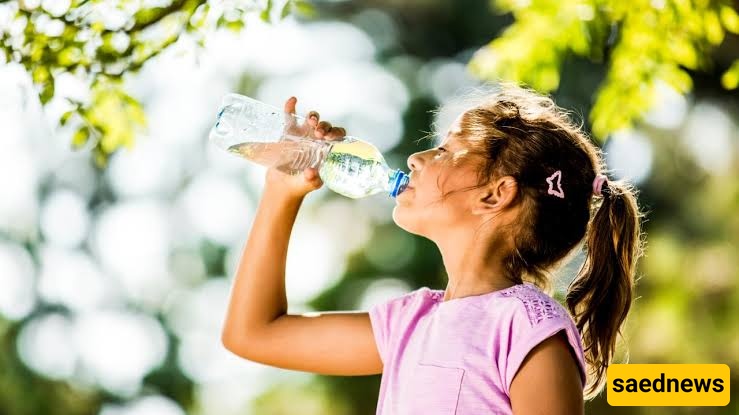
Some children simply prefer drinks with more flavor. For older children, adding pieces of naturally flavorful fruits such as orange, lemon, or strawberries to water can make it more interesting. Another option is serving water at a temperature the child prefers.
However, flavored drinks and sweetened beverages should not routinely replace water. Frequent consumption of sugary drinks can increase children's intake of added sugars and may contribute to dental problems.
A child who refuses water does not necessarily need to be pressured into drinking immediately. Repeatedly offering small amounts throughout the day is generally more practical than demanding that a child finish a large amount at once.
Parents should also pay attention to the child's age, activity level, weather conditions, and overall diet when considering fluid needs. Young children and children who are physically active may need more fluids in certain circumstances.
If a child consistently drinks very little and has concerning symptoms such as markedly reduced urination, unusual sleepiness, a very dry mouth, or signs of illness, medical advice is appropriate.