SAEDNEWS:
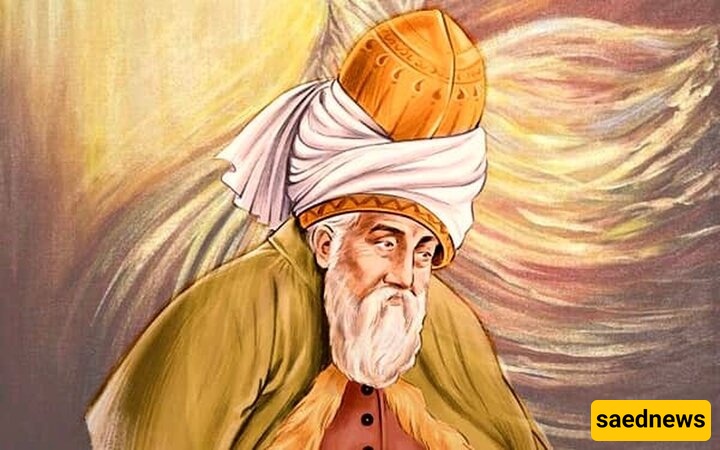
Jalal ad-Din Muhammad Balkhi—universally known as Rumi—was born on September 30, 1207, to Persian-speaking parents on the eastern shores of the then Persian Empire, in the city of Balkh, which today lies in Afghanistan. He eventually settled in Konya, in modern-day Turkey, where his spiritual and literary journey reached its fullest expression.
Rumi is celebrated not only as a pinnacle of Persian literature but as one of the world’s foremost mystics and poets. For Iranians, the 8th of Mehr in the Iranian calendar marks a cultural tribute to this legendary poet, whose contributions to Persian poetry are recognized worldwide.
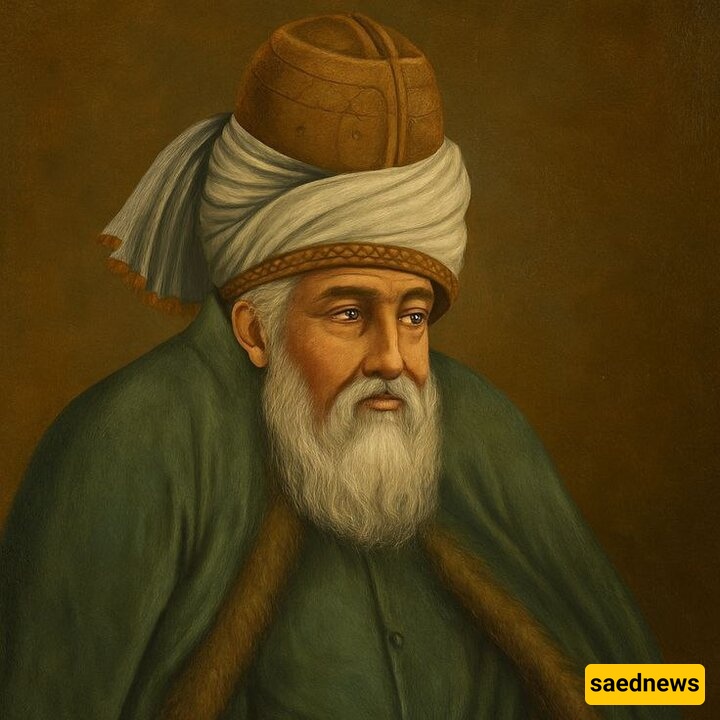
A turning point in Rumi’s life came on November 30, 1244, when he encountered the wandering dervish and spiritual master Shams al-Din of Tabriz on the streets of Konya. Some accounts suggest their first meeting may have occurred in Syria. Shams became Rumi’s spiritual guide and inspired a profound transformation in his life and work, immortalized in Rumi’s “Divan-e Shams-e Tabrizi” (“The Works of Shams of Tabriz”), a collection of poems written in Persian.
Rumi’s literary output is vast, encompassing multiple forms. His works are often divided into quatrains (rubaiyat), ghazals (odes) in the Divan, the six-volume Masnavi, his discourses and letters, and the lesser-known Six Sermons. Among these, the Masnavi, also called Masnavi-ye Manavi (Spiritual Couplets), stands as his masterpiece. Written in Persian, it explores metaphysics, ethics, divine love, and spiritual guidance, earning recognition as one of the greatest achievements of Islamic mysticism.
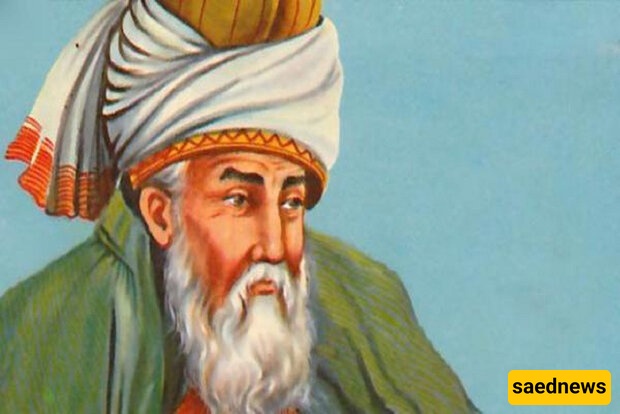
The Divan-e Shams-e Tabrizi is another cornerstone of his poetic legacy, capturing the transformative friendship that shaped Rumi’s spiritual vision. His poetry resonates with a universal language, speaking to the human soul across cultures and centuries.
Rumi’s influence extends far beyond the written word. His poems adorn the walls of Iranian cities, are set to music in Persian songs, and are studied in educational curricula. His words, born from a profound 13th-century friendship in Konya, continue to offer wisdom and solace globally. Musicians, visual artists, and spiritual seekers draw inspiration from his teachings, which emphasize love, tolerance, and inner peace.
At the heart of Rumi’s message is the transformative power of love—a love that bridges the earthly and the divine. He invites readers to release ego, embrace vulnerability, and open their hearts to the infinite ocean of divine grace. Through allegories and metaphors, Rumi illuminates the path to spiritual awakening, guiding seekers through the complexities of human experience.
Rumi’s life is itself a testament to human connection. His bond with Shams al-Din exemplifies the impact of mentorship and the spiritual potential of deep, authentic relationships. Their mysterious and legendary friendship continues to inspire individuals to cultivate meaningful connections.
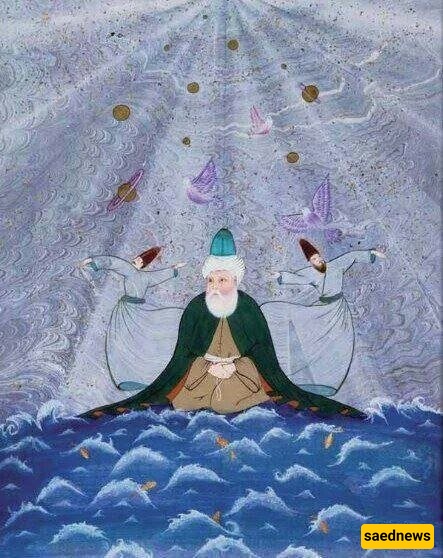
Ultimately, Rumi’s enduring appeal lies in his ability to articulate the universal yearnings of the human heart. His poetry offers comfort to the weary, guidance to the lost, and inspiration to those seeking a deeper communion with the divine. As Mowlana, he remains a guiding light, demonstrating the power of love, compassion, and inner peace.
Rumi passed away on December 17, 1273, in Konya. Centuries later, his voice still resonates, transcending national and doctrinal boundaries. From Iranian city walls to modern translations worldwide, Mowlana’s legacy endures—not as a relic of the past, but as a living, breathing guide for humanity’s eternal quest for meaning, connection, and divine union.