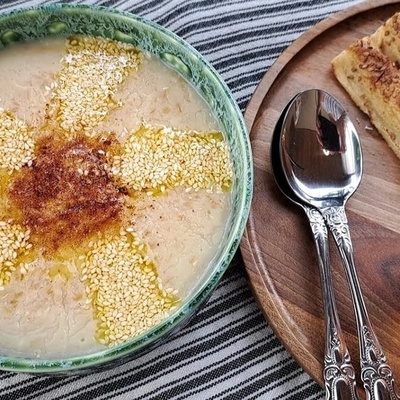
SAEDNEWS: Haleem is a beloved traditional Iranian dish. Using wheat bulgur, you can prepare a smooth, creamy haleem in less time with simpler steps.
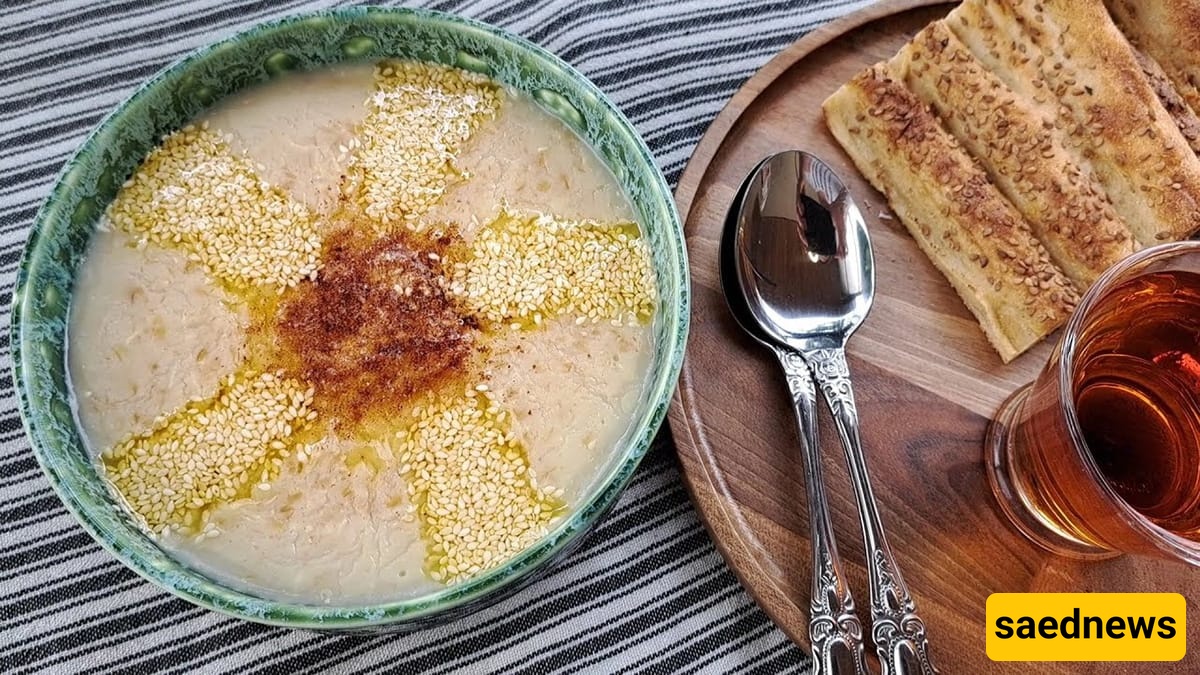
According to Saednews, Haleem is one of Iran’s most traditional and beloved dishes, especially during the colder months, Ramadan, and family gatherings.
Many people believe that making haleem requires whole wheat grains and hours of continuous cooking. However, with cracked wheat haleem, you can prepare a smooth, creamy, and flavorful dish in less time and with simpler steps.
Cracked wheat not only retains its nutritional value but also shortens the cooking process and gives haleem a wonderfully soft texture. In this article, you’ll find a complete guide to making homemade Persian wheat haleem, including ingredients, step-by-step instructions, essential tips, serving suggestions, and common mistakes to avoid.
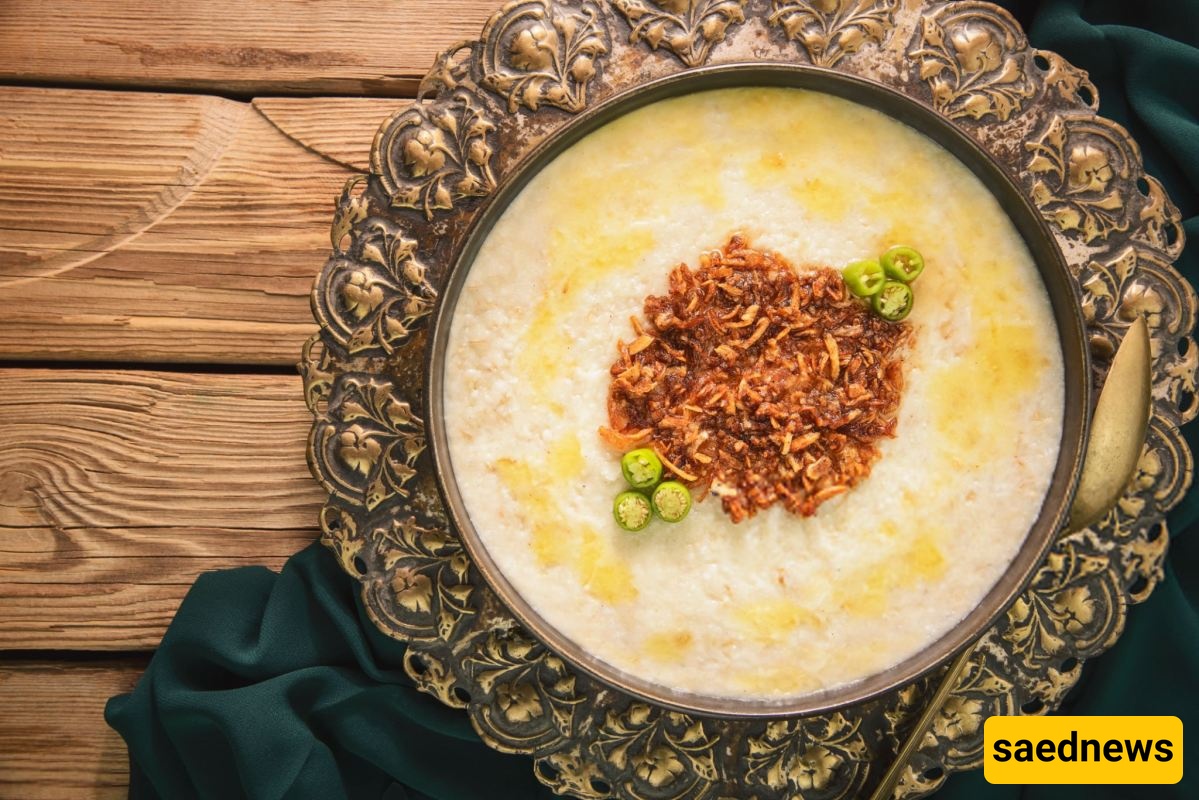
To prepare haleem for approximately 6–8 people, you will need:
Coarse cracked wheat (bulgur): 2 cups (approximately 400 g)
Lamb or beef: 500 g, preferably shank or neck
Medium onions: 2
Water: approximately 8–10 cups
Vegetable oil or butter: 3–4 tablespoons
Salt: to taste
Black pepper: ½ teaspoon
Cinnamon: 1 teaspoon, plus extra for garnish
Sugar: 1–2 tablespoons (optional)
Raisins, walnuts, and melted butter: for serving, as desired
These quantities are suitable for a medium-sized pot. If you prefer a richer and more nutritious haleem, you can slightly increase the amount of meat.
If you want to make a meat-free version, you can use a small amount of mushrooms or cooked lentils. However, the flavor and texture will differ from traditional Persian haleem.
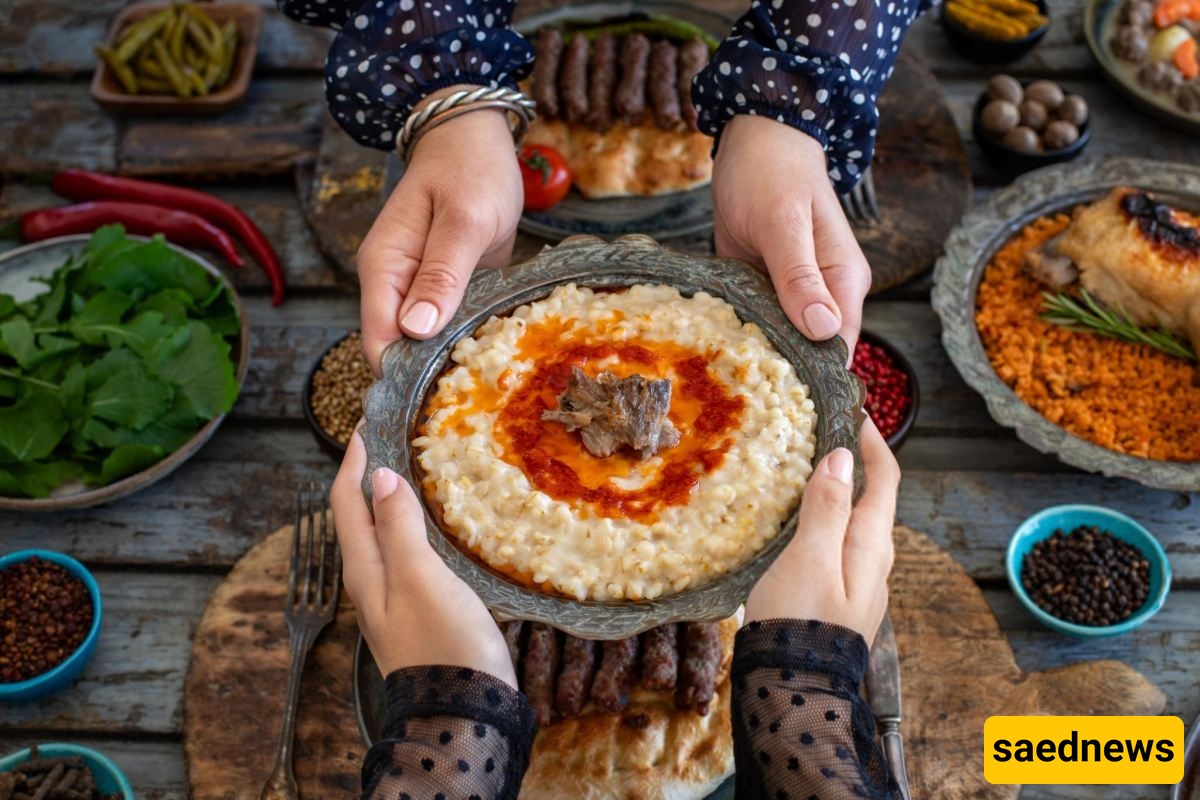
Before you begin, carefully sort through the cracked wheat and remove any stones or impurities. Rinse it thoroughly, then soak it in lukewarm water for at least 4–6 hours, or preferably overnight.
Soaking helps the wheat cook faster and produces a softer texture in the finished haleem. It is also recommended to use a heavy-bottomed pot, as haleem can easily stick to the bottom and burn.
It is best to cook the meat separately in advance and reserve the resulting broth. The meat broth adds flavor and enhances the color of the haleem.
For an extra-smooth texture, you can shred the cooked meat using a meat mallet, food processor, or fork. Throughout the cooking process, keep the heat low and stir regularly to prevent sticking.
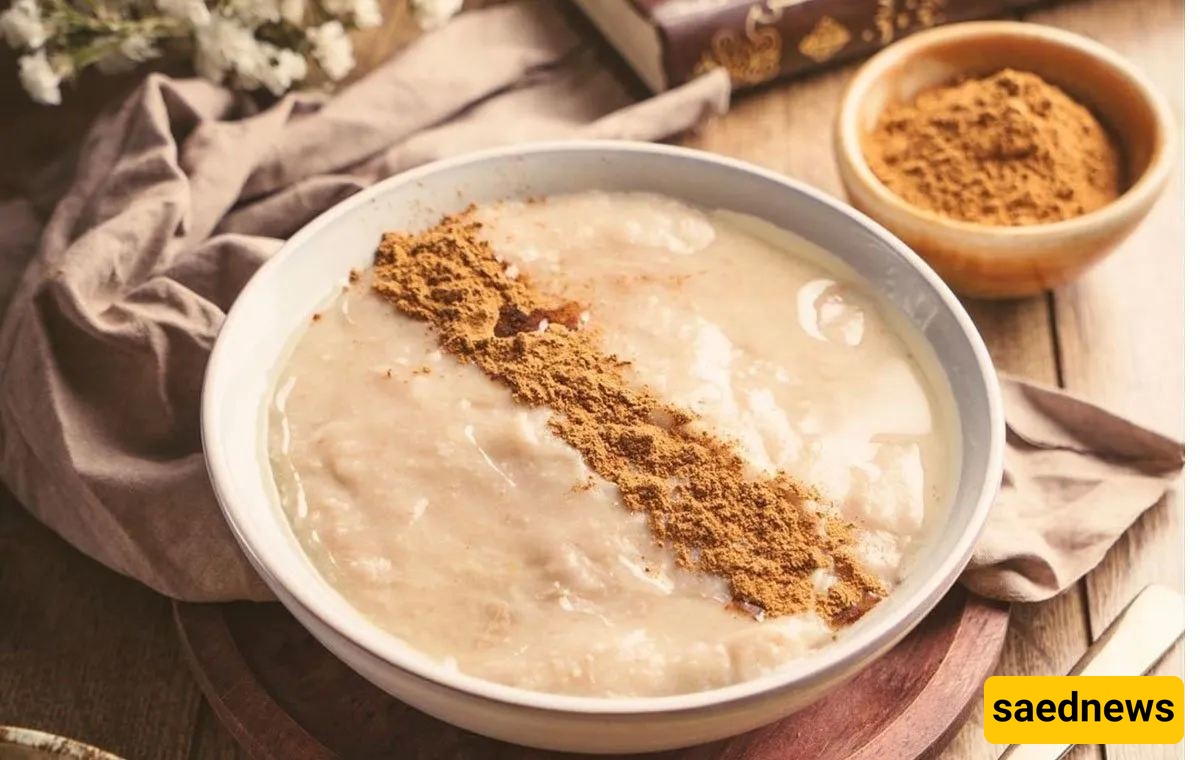
Step 1: Wash and soak the wheat
Rinse the cracked wheat several times under running water to remove dust and impurities. Transfer it to a large bowl and add enough water to cover it completely.
Let it soak for several hours. Once soaked, drain off the excess water.
If you are using fine cracked wheat, you can reduce the soaking time. However, coarse or medium-coarse cracked wheat is a better choice for making traditional haleem.
Step 2: Prepare the meat
Peel and finely chop the onions.
Heat a little oil in a suitable pot and sauté the onions until soft and lightly golden. Add the meat and cook for a few minutes until its color changes.
Pour in the water, then season with salt and black pepper. Reduce the heat, cover the pot, and simmer until the meat becomes completely tender.
Depending on the type and cut of meat, this may take approximately 1–2 hours.
Step 3: Shred the cooked meat
Once the meat is fully cooked, remove it from the broth.
Strain the broth and set it aside. Shred the meat into thin strands using a fork, or mash it thoroughly with a meat mallet.
For a smoother texture, you can also process the cooked meat in a food processor.
Step 4: Cook the cracked wheat
Transfer the soaked and drained wheat to a large, heavy-bottomed pot.
Add the strained meat broth. If necessary, add a little warm water to ensure the wheat is sufficiently covered.
Cook over low heat, stirring every few minutes to prevent the mixture from sticking to the bottom.
The wheat may take approximately 30–60 minutes to cook.
The wheat is ready when the grains become completely soft and can easily be mashed with the back of a spoon.
If the mixture becomes too thick during cooking, add warm water rather than cold water. Cold water can cause the wheat grains to become firm and prevent the haleem from developing a smooth, uniform texture.
Keep in mind that haleem naturally thickens as it cooks, so avoid making it too thick at the beginning.
Step 5: Add the cooked meat
Once the wheat is completely tender, add the prepared meat to the pot.
Add the meat gradually in several batches, stirring continuously so that it combines evenly with the wheat.
If you use shredded meat, the haleem will have a more traditional texture. If you mash or finely process the meat, the result will be smoother and creamier.
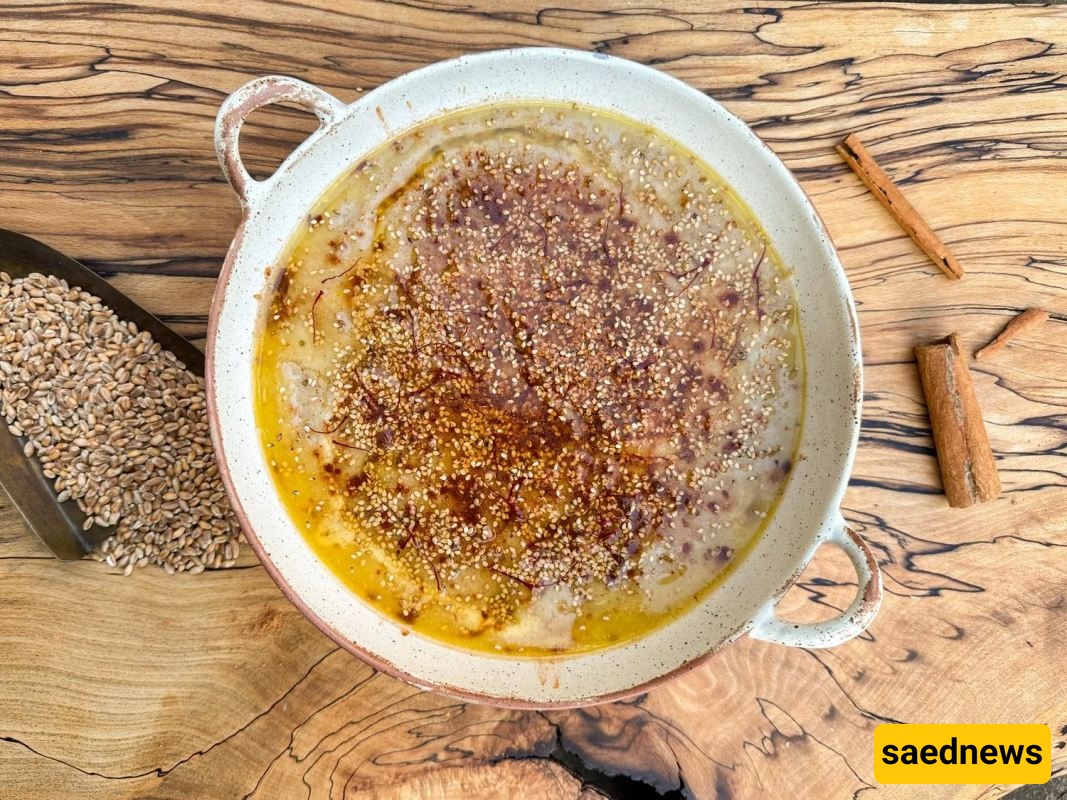
Step 6: Add the seasonings
Add salt, black pepper, and cinnamon.
If desired, add 1–2 tablespoons of sugar. Sugar is not the main flavoring ingredient in haleem; it simply helps balance the overall taste.
Reduce the heat to very low and allow the mixture to simmer for another 20–30 minutes.
Step 7: Mash and create a smooth, stretchy texture
To achieve the characteristic soft and slightly stretchy texture of Persian haleem, thoroughly mash the mixture at this stage.
You can use a wooden meat mallet, a sturdy wooden spoon, or a hand mixer.
If you have a food processor, transfer a portion of the haleem into it, pulse a few times, and return it to the pot.
This method is much faster, but avoid processing the haleem for too long, as excessive blending may make it overly sticky and gummy.
Mash the haleem while the pot is over very low heat or after removing it from the stove. Continue stirring throughout this process.
The haleem is ready when it has a smooth, uniform, slightly elastic consistency and slowly releases from the spoon when lifted.
Step 8: Adjust the consistency
At the end of cooking, check the consistency of your haleem.
If it is too thick, add a little warm water or warm milk and stir for a few minutes.
If it is too runny, simmer it uncovered over low heat until the excess liquid evaporates.
Remember that haleem becomes thicker as it cools. Therefore, its consistency should be slightly thinner than your preferred final texture while it is still hot.
Step 9: Add butter or oil
Finally, add the butter or oil.
Adding butter toward the end of cooking gives the haleem a beautiful sheen and a softer, richer texture.
Stir for a few more minutes until the butter is fully incorporated.
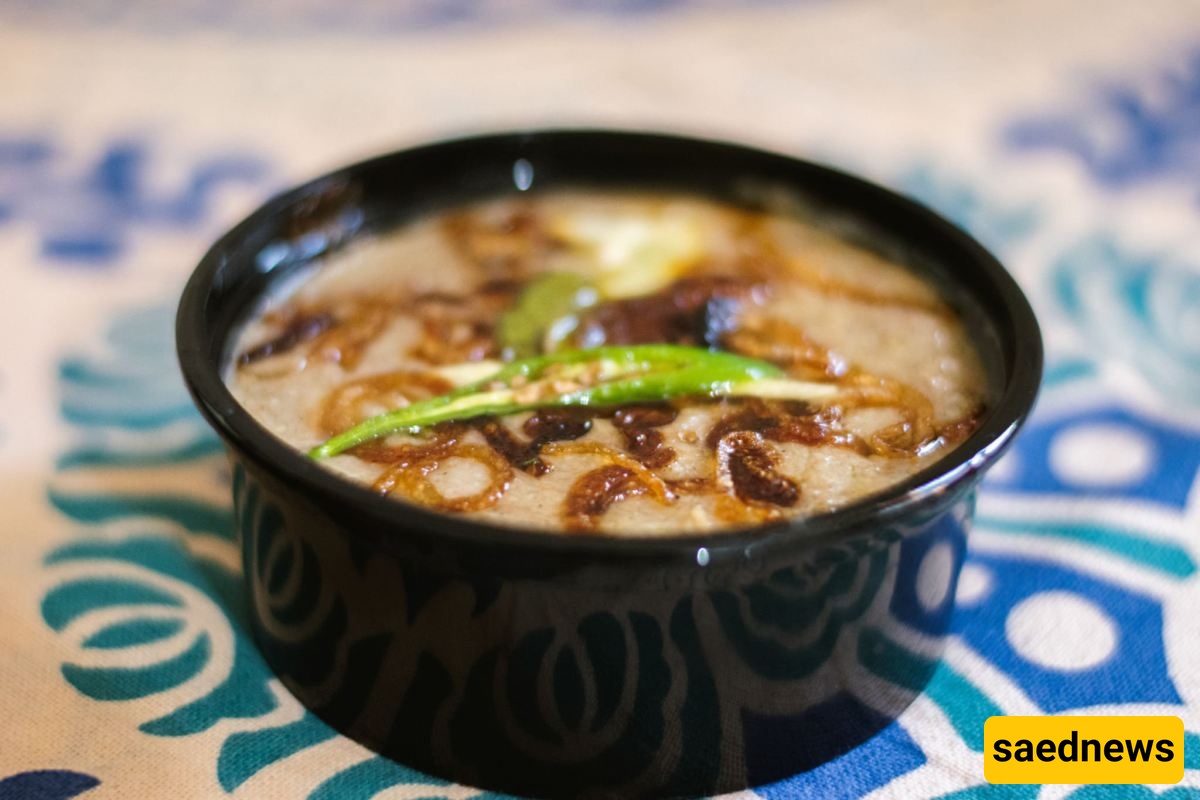
Transfer the hot haleem into serving bowls and garnish with a combination of cinnamon, raisins, walnuts, and melted butter or hot oil.
Some people also enjoy adding sugar, honey, or a little milk to their haleem.
Serve it with freshly baked Persian Sangak bread, Barbari bread, or your favorite traditional flatbread. Sweetened tea or warm milk also makes an excellent accompaniment.
If you are preparing haleem for a gathering, consider placing the toppings in separate small bowls so guests can customize their portions.
Persian haleem can be enjoyed for breakfast, dinner, or as a comforting meal on cold winter evenings. During Ramadan, it is also a popular choice for both Suhoor (the pre-dawn meal) and Iftar (the meal to break the fast).
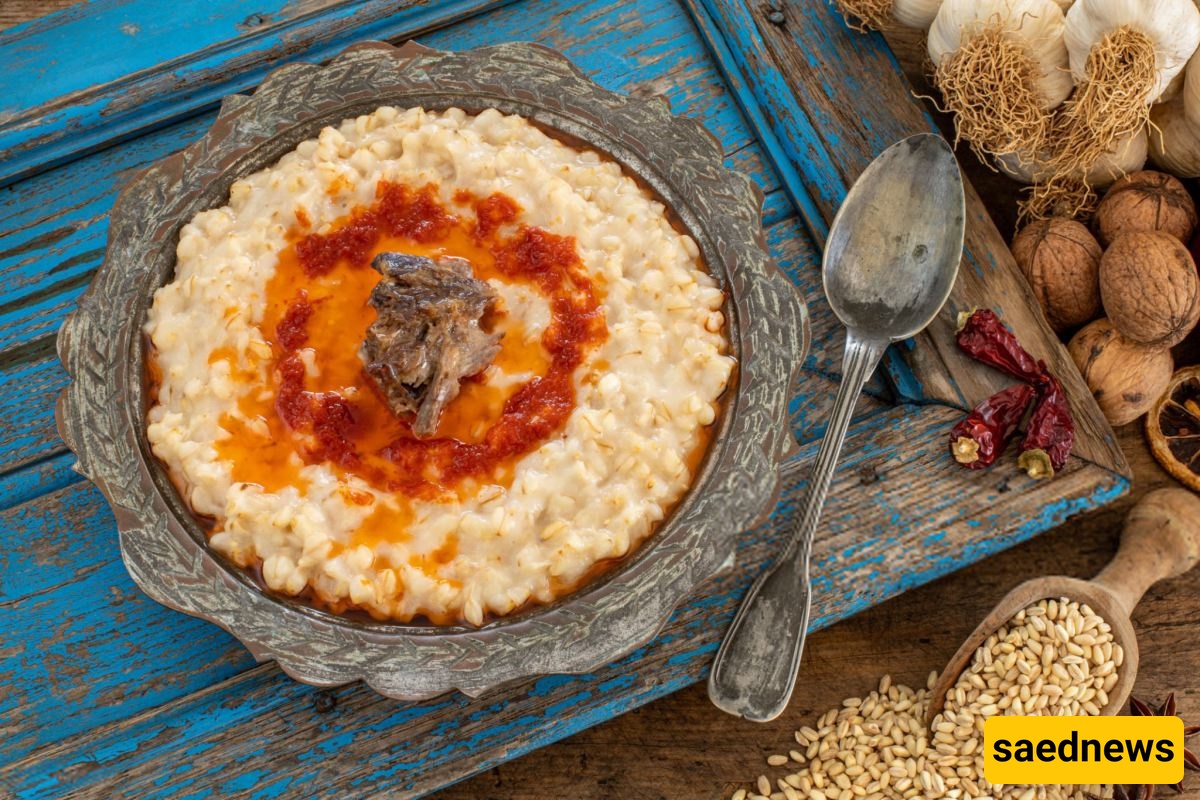
Don't skip soaking the wheat: Soaked wheat cooks faster and develops a softer texture.
Use a heavy-bottomed pot: This helps prevent the haleem from sticking and burning.
Keep the heat low: High heat can cause the mixture to burn or stick to the bottom of the pot.
Stir regularly: Stir the haleem every few minutes, especially during the final stages of cooking.
Always add warm water: Use warm water whenever you need to adjust the consistency.
Adjust the salt at the end: Season according to your taste and the saltiness of the meat broth.
Cook the meat in advance: This reduces the final cooking time and enhances the flavor.
One of the most common mistakes is adding the meat before the cracked wheat has cooked completely. If the wheat grains are still firm, the haleem will have a coarse, grainy texture instead of a smooth consistency.
Another common mistake is adding cold water during cooking, which can cause the wheat grains to become firm.
Some people also cook haleem over high heat without stirring it regularly. This can cause the mixture to stick to the bottom of the pot, burn, and develop an unpleasant flavor.
Choosing the wrong type of cracked wheat can also affect the final result. For the best texture, use coarse or medium-coarse cracked wheat.
Very fine cracked wheat may break down too quickly during cooking, resulting in an excessively sticky consistency.
Finally, avoid over-mashing the haleem. Excessive pounding or blending can make it too elastic and gummy. The key is to achieve the right balance between a smooth texture and its traditional thickness.
Making traditional Persian haleem with cracked wheat is a practical way to enjoy this comforting and nutritious dish without spending an entire day in the kitchen. With properly soaked wheat, tender meat, gentle cooking, and regular stirring, you can prepare delicious homemade haleem with a smooth, rich, and slightly stretchy texture.
Serve it hot with cinnamon, melted butter, raisins, and walnuts for an authentic Persian-style experience.
Do you like this personality?