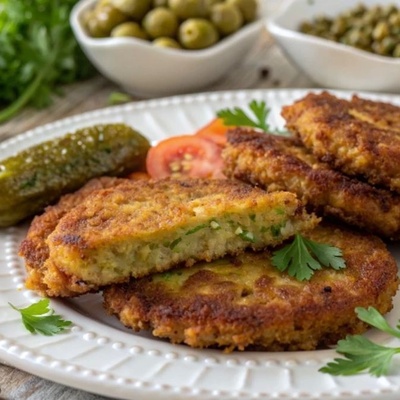
SAEDNEWS: Kotlet mixture spoils quickly due to its raw ground meat, eggs, and high moisture content. This guide covers safe storage times for raw kotlet mixture and cooked kotlets in the refrigerator and freezer, proper freezing methods, signs of spoilage, and common storage mistakes.
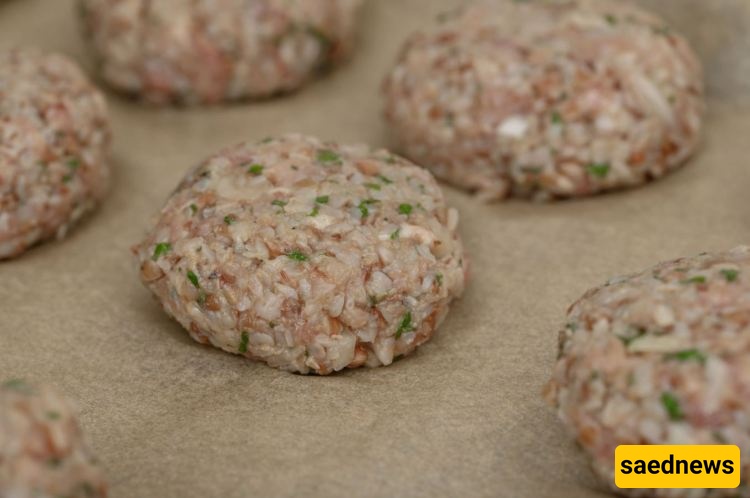
According to Saednews, Kotlet, a traditional Iranian meat patty, is a popular dish in many households. Many families prefer to prepare a large batch of kotlet mixture at once so they can use it for several meals. But how long can raw kotlet mixture be stored in the refrigerator or freezer? There is no single answer, as storage time depends on the ingredients, refrigerator and freezer temperatures, packaging method, and whether the kotlets are raw or already cooked.
In this article, we explain how long raw kotlet mixture lasts in the refrigerator, how to freeze it properly, how long cooked kotlets can be stored, and the best ways to preserve their freshness and safety.
Raw kotlet mixture can be stored in the refrigerator for a maximum of one to two days. Ideally, it should be cooked or frozen within the first 24 hours. Storing it for more than 48 hours is not recommended because harmful bacteria do not always produce unpleasant odors or noticeable changes in taste. Therefore, relying on smell alone to determine whether the mixture is safe is not a reliable method.
Follow these tips to store raw kotlet mixture properly:
Choose the right container. Place the mixture in an airtight glass or food-grade plastic container. A shallow, wide container is preferable to a deep one because it allows the mixture to cool faster and more evenly.
Store it in the right part of the refrigerator. Keep the container on a middle or lower shelf. The refrigerator door and upper shelves experience more temperature fluctuations because the door is frequently opened and closed. Ideally, place the mixture on the lowest shelf, away from raw meat and poultry, to prevent cross-contamination.
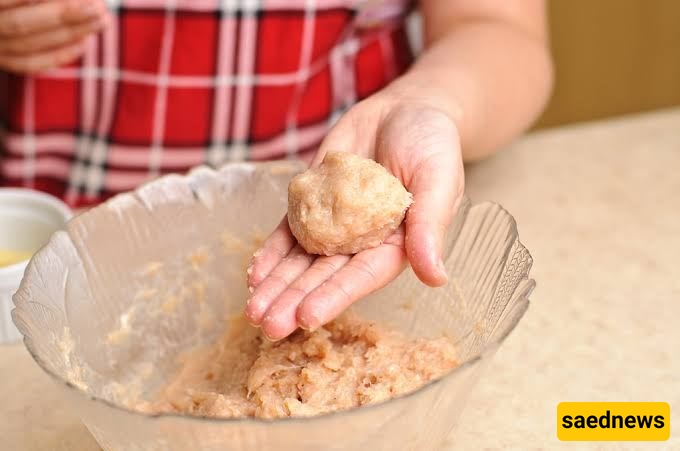
Label the container with the date. Write the preparation date and time on the lid. This simple step helps prevent a common mistake: forgetting how long the mixture has been stored.
Manage excess moisture. The mixture may release water after sitting for several hours. This does not necessarily indicate spoilage, but it can make the mixture too watery and cause oil to splatter during frying. Remove any excess liquid from the surface before cooking.
Prevent cross-contamination. Never use a spoon that has touched raw meat to handle cooked kotlet mixture. After preparing raw meat, wash cutting boards and knives thoroughly with hot water and dish soap.
Also read:
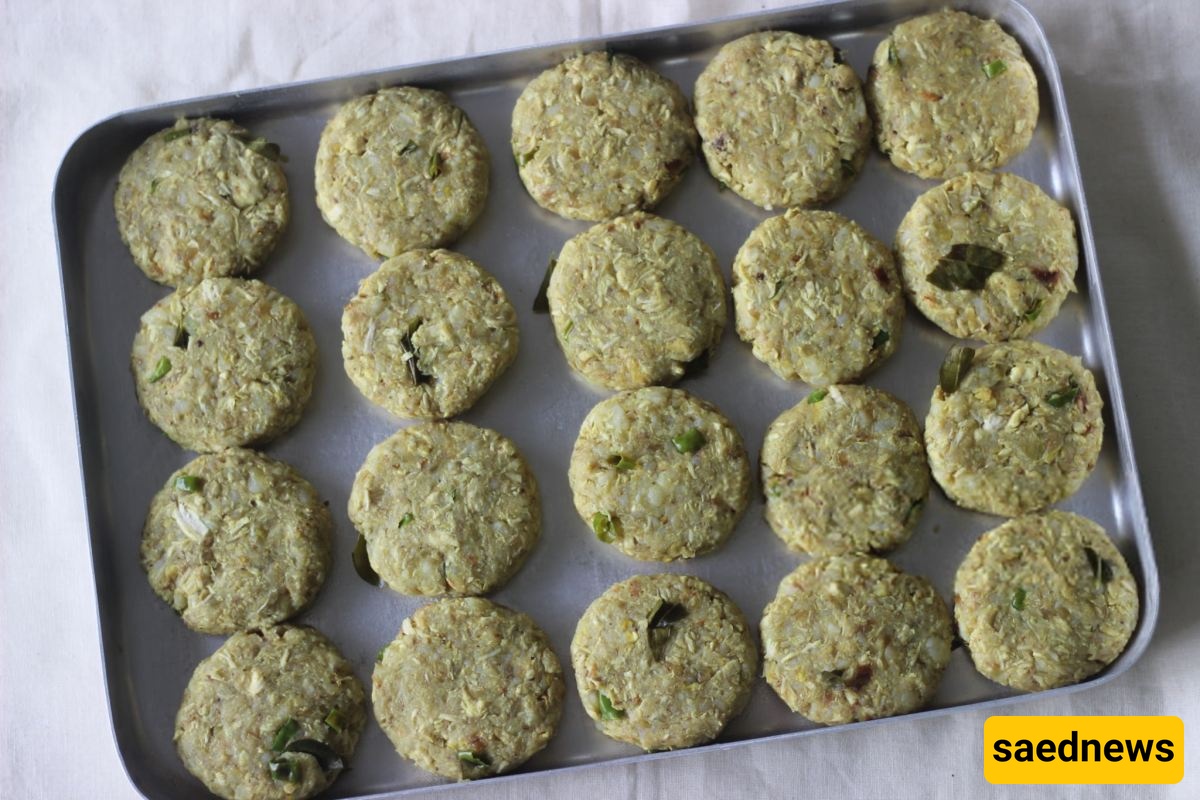
Mushy kotlets are a common cooking problem. Several factors can contribute to this issue, from the quality of the meat to the cooking technique. Learn the most important causes and practical solutions for making delicious, perfectly textured kotlets.
The recommended refrigerator temperature is 4°C (40°F) or below, while the freezer should be kept at -18°C (0°F) or lower.
However, the temperature displayed on your refrigerator's control panel does not always match the actual temperature inside. When a refrigerator is overcrowded, cold air cannot circulate properly, creating warmer areas where food may not stay sufficiently cold.
A simple solution is to use a refrigerator thermometer. Place it on the middle shelf and check the freezer temperature regularly as well. If the refrigerator temperature exceeds 4°C (40°F), even the recommended one-to-two-day storage period may no longer be reliable.
Another important tip is to avoid overfilling the refrigerator and freezer so cold air can circulate freely. Also, never place hot kotlet mixture directly into the refrigerator. If the ingredients have been at room temperature, transfer the mixture into a shallow container so it can cool quickly.
Freezing raw kotlet mixture is one of the best ways to extend its storage life. At -18°C (0°F), raw kotlet mixture can generally be stored for approximately 2 to 3 months.
Freezing stops the growth of most microorganisms but does not necessarily kill them. Therefore, the mixture must be cooked thoroughly after thawing.
Step 1: Divide into individual portions.
Separate the mixture into smaller portions based on your usual serving sizes. This way, you only need to thaw the amount you intend to use, keeping the remaining portions safely frozen.
Step 2: Shape the kotlets.
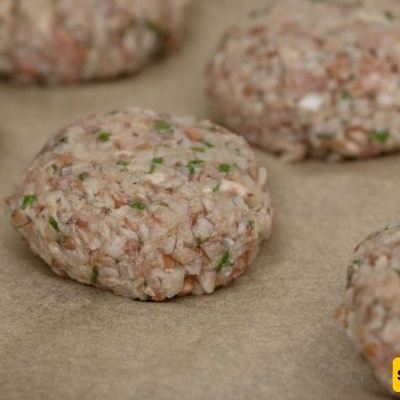
You can shape the mixture into ready-to-cook patties before freezing. Place parchment paper between the patties to prevent them from sticking together. This also reduces the amount of time they need to spend at room temperature when preparing a meal.
Step 3: Remove excess air.
Remove as much air as possible from freezer bags or containers. Excess air can cause freezer burn, a condition that dries out the surface of food, causes discoloration, and affects its flavor.
Step 4: Label the packaging.
Write the freezing date and contents on each package so you can easily identify them later.
Important tip: Avoid freezing kotlet mixture in completely filled glass containers. Liquids expand when frozen, which may cause the glass to crack or break.
Storage times are slightly different for cooked kotlets.
Refrigerator: Cooked kotlets can be stored for approximately 3 to 4 days.
Freezer: Cooked kotlets can be stored for approximately 2 to 3 months.
To store them properly, allow the kotlets to cool quickly after cooking, place them in an airtight container, and separate individual patties with parchment paper before freezing.
When reheating, make sure the kotlets are heated thoroughly and evenly so the center reaches a safe temperature.
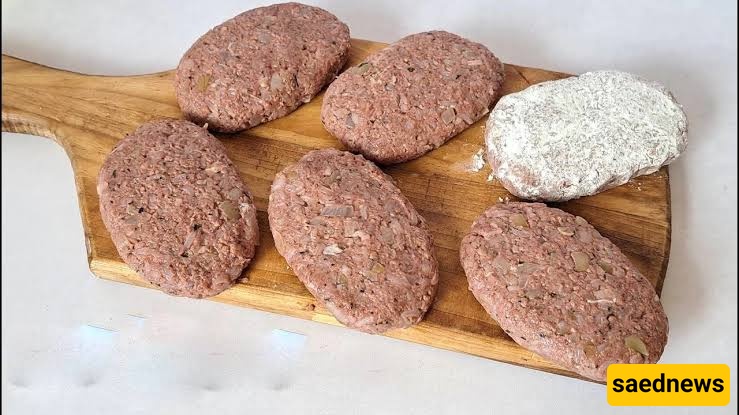
Never thaw kotlet mixture at room temperature. The safest method is to transfer the frozen package from the freezer to the refrigerator the night before you plan to cook it.
Alternatively, you can use the defrost setting on your microwave. However, if you choose this method, cook the mixture immediately after thawing.
Once thawed, avoid refreezing the mixture, as repeated freezing and thawing can reduce its quality and may compromise food safety.
Raw kotlet mixture thawed in the refrigerator should be cooked within 24 hours. After thawing, remove any excess water to prevent the patties from falling apart during frying.
Several warning signs may indicate that your kotlet mixture is no longer safe to eat:
Unpleasant or sour smell: A strong, acidic odor or a smell resembling rotten eggs.
Discoloration: Darkened surfaces, green or gray spots, or an unusual dull appearance.
Slimy or sticky texture: If the mixture becomes unusually slippery or develops a stringy texture when stirred, spoilage may have occurred.
Gas buildup or a swollen container: This may indicate microbial activity.
Unusual foaming or bubbles: Unexpected foam or bubbles on the surface can be a warning sign.
Sour or bitter taste: An unusual taste may indicate spoilage. Never taste food to check whether it is safe.
Important warning: A pleasant smell and normal appearance do not guarantee that kotlet mixture is safe to eat. If it has been stored in the refrigerator longer than the recommended period, discard it even if there are no visible signs of spoilage.
The cost of throwing away a container of kotlet mixture is never worth the potential consequences of food poisoning and medical treatment.