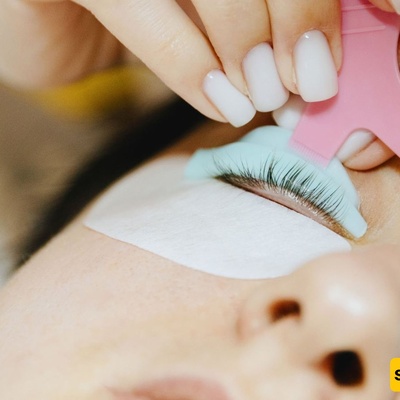
SAEDNEWS: This article explores all lash lift removal methods, from professional treatments to at-home solutions, highlighting their benefits, drawbacks, and aftercare tips to help you restore your natural lash appearance without causing damage.
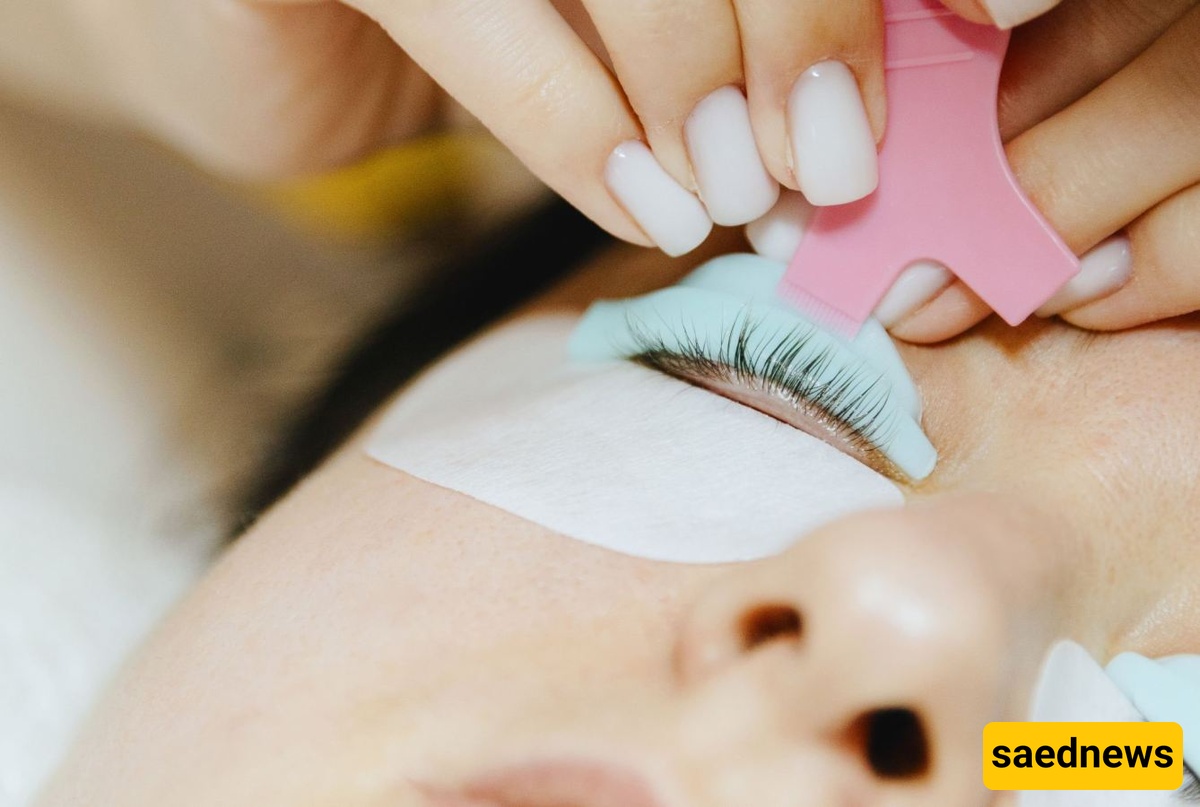
According to Saednews, An eyelash lift is one of the most popular beauty treatments offered by professional salons. Using gentle chemical solutions, the procedure gives natural lashes a beautiful curl and lifted appearance. The results typically last between 6 and 8 weeks, making it a popular alternative to eyelash extensions.
However, the results do not always turn out as expected. Sometimes lashes become overly curled, the curl does not complement the eye shape, or the client simply wants to return to their natural look. Skin sensitivity, irritation, or medical advice may also make removing the lash lift necessary.
In these situations, understanding how to remove an eyelash lift safely becomes important. Eyelash lift removal involves techniques designed to reduce or completely reverse the curl created during the treatment. Choosing the right approach can help restore a more natural appearance while minimizing the risk of lash breakage, dryness, and shedding.
During an eyelash lift, natural lashes are positioned against a silicone shield. A lifting solution is then applied, followed by a setting solution that changes the protein structure of the lashes and creates a lasting curl.
The results remain visible until the lifted lashes naturally shed and are replaced.
Unwanted results: Excessive curling, an unsuitable curl angle, or uneven results between the eyes.
Allergic reactions and irritation: Eyelid redness, itching, or burning after the treatment.
Lash damage: Dryness, brittleness, or frizziness caused by the chemical curling process.
Changing preferences: Wanting to return to a natural lash appearance and use mascara again.
Special occasions: Preparing for a wedding, vacation, or event where a different look is preferred.
Medical reasons: Following a doctor's recommendation before certain eye treatments or surgeries.
Knowing the different eyelash lift removal methods can help you choose a suitable way to restore your preferred appearance without unnecessarily damaging your natural lashes.
Most controlled professional option
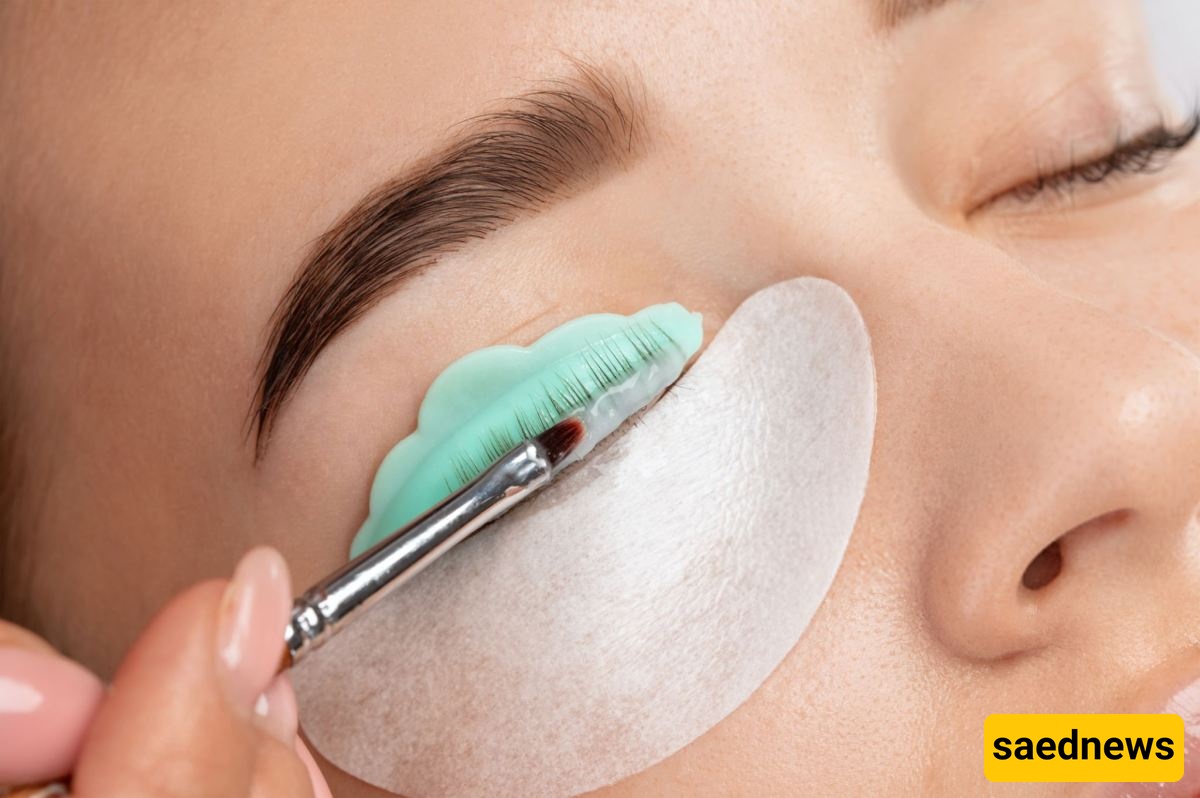
Visiting a professional lash salon is generally the most controlled way to reverse an unwanted eyelash lift. A trained technician may use a specialized reversing solution designed to relax the curl and help restore a more natural lash shape.
How professional eyelash lift removal works:
Lash assessment: The technician examines lash thickness, condition, and curl intensity.
Initial cleansing: Makeup, oil, and product residue are removed using an appropriate lash cleanser.
Eye protection: Protective under-eye pads are positioned to minimize skin exposure.
Application of reversing solution: The professional carefully applies the appropriate product according to its manufacturer's instructions.
Continuous monitoring: The technician checks the lashes and surrounding skin throughout the procedure.
Thorough cleansing: Any remaining product is carefully removed using suitable cleansing products.
Aftercare: A suitable lash-conditioning product may be applied if appropriate.
Advantages:
More controlled application
Professional assessment of lash condition
Reduced risk of improper product use
Disadvantages:
Higher cost
Requires an in-person appointment
Natural oils are sometimes used as part of an at-home lash-conditioning routine. Castor oil, sweet almond oil, coconut oil, and olive oil are popular choices.
However, oils cannot reliably reverse the chemical changes responsible for an eyelash lift. They may help condition dry lashes, but they should not be considered a proven lash-lift removal treatment.
How to use lash-conditioning oils:
Apply a small amount of an eye-safe conditioning product to the lashes, keeping it away from the eyes and waterline. Follow the product's instructions and discontinue use if irritation occurs.
Advantages:
Relatively inexpensive
Easy to incorporate into a beauty routine
May help condition dry lashes
Disadvantages:
Does not reliably reverse the curl
Results are not guaranteed
Some oils may cause irritation or blurred vision if they enter the eyes
One of the safest ways to return to your natural lash appearance is simply to wait.
Natural eyelashes go through a continuous growth and shedding cycle. As lifted lashes naturally fall out and new lashes grow, the appearance of the lift gradually disappears.
This approach requires patience, as the transition may take several weeks. During this period, some lashes may appear uneven as old and new lashes coexist.
Using regular mascara, provided the lashes and eyes are not irritated, can help create a more uniform appearance.
Advantages:
No additional chemical treatment
No need for aggressive manipulation
Allows natural lash replacement
Disadvantages:
Takes time
Temporary unevenness may occur
Lash serums containing peptides, biotin, and botanical ingredients are often marketed for lash care.
Although these products do not directly remove an existing lash lift, suitable conditioning treatments may help improve the appearance and manageability of dry or damaged lashes.
New lashes will gradually replace lifted lashes through the natural growth cycle.
Advantages:
May improve lash conditioning
Can support a regular lash-care routine
Helps maintain the appearance of natural lashes
Disadvantages:
Does not immediately reverse an existing curl
Results depend on the formulation
Some ingredients may irritate the eyes
Regularly cleansing the lashes with a suitable lash shampoo and lukewarm water helps remove makeup, oil, and product residue.
Although cleansing does not reverse the chemical process of an eyelash lift, it can help maintain lash hygiene and prevent unnecessary buildup.
Avoid rubbing the lashes or drying them aggressively with a towel, as these actions can contribute to breakage.
Some DIY techniques can cause serious eye injuries and permanent lash damage. Avoid the following methods:
Acetone or nail polish remover: These products are extremely dangerous around the eyes and may cause chemical injuries.
Pulling or aggressively brushing curled lashes: This can cause breakage and premature lash loss.
Industrial adhesives or chemical removers: These substances may cause severe irritation or chemical burns to the eyelids and cornea.
Mixing lifting and reversing solutions: Using chemical products without professional knowledge increases the risk of eye injuries.
Excessive heat: Using a hot hair dryer or heated eyelash curler can make lashes brittle and damaged.
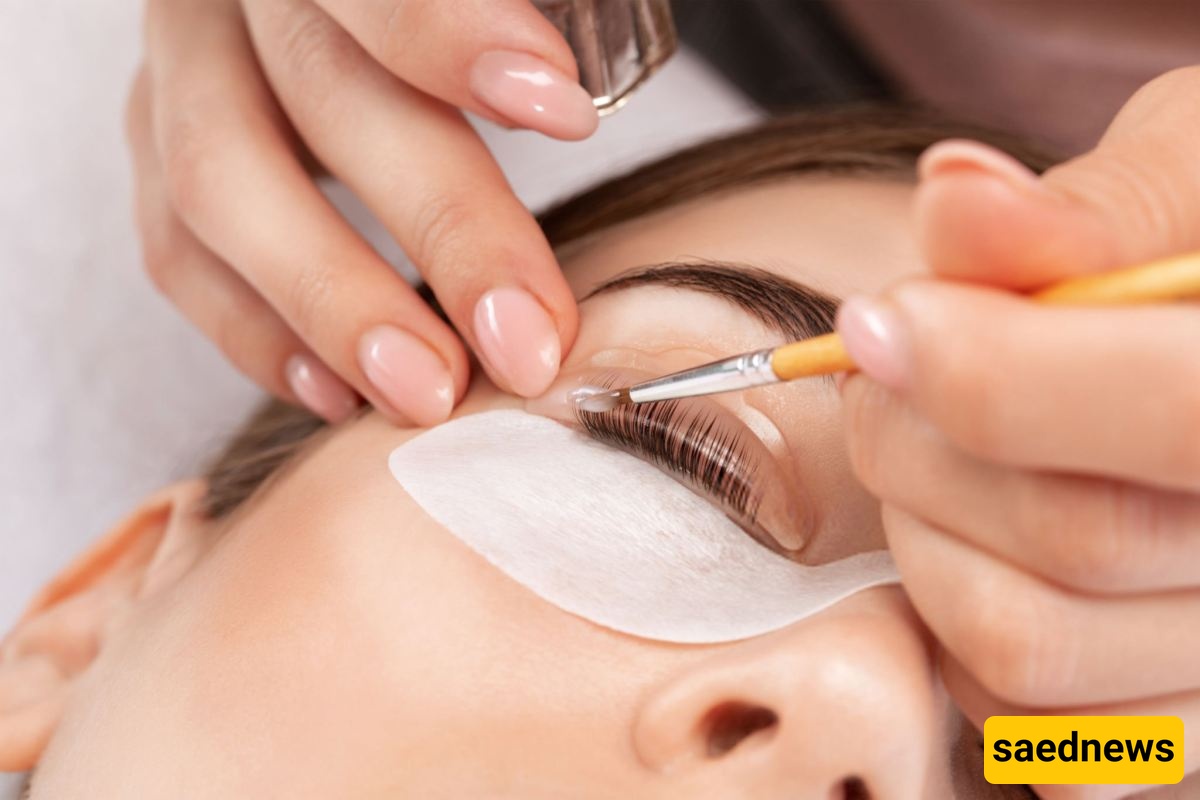
Proper aftercare helps maintain lash condition and reduce further irritation.
Avoid mascara, eyeliner, and rubbing your eyes for the first 24 hours if advised by your technician.
Clean your lashes gently with an appropriate lash cleanser.
Use a suitable lash-conditioning serum if recommended.
Brush your lashes gently from the roots toward the tips.
Avoid waterproof mascara and harsh makeup removers if your lashes are damaged.
Seek professional advice if you experience redness, burning, or swelling.
Professional assessment is important if you experience any of the following after an eyelash lift:
Persistent eyelid burning or itching
Eye redness or swelling
Unusual lash breakage or shedding
Severe frizziness that does not improve
Noticeable differences between the two eyes
If you experience eye pain, vision changes, significant swelling, or a suspected chemical injury, seek urgent medical attention rather than attempting to reverse the treatment yourself.
Removing an eyelash lift requires patience and the right approach. While professional reversal may be an option for unwanted results, allowing your natural lashes to grow and replace the lifted ones is often the gentlest alternative.
Natural oils and conditioning serums may support lash care, but they cannot reliably undo a chemical lift. Most importantly, avoid harsh chemicals, excessive heat, and aggressive brushing to protect your natural lashes and eye health.