SAEDNEWS: Accidents and the diseases and injuries they cause are unavoidable in today's world. Thanks to advances in medical technology and modern healthcare equipment, reconstructive treatment methods have significantly improved. One of the most important and effective reconstructive medical procedures is organ transplantation.
According to Saednews, Accidents and serious injuries are an unfortunate reality in today's world. Thanks to advances in medical technology, reconstructive surgery has made remarkable progress, giving many trauma survivors a better quality of life. One of the most extraordinary achievements in this field is hand transplantation.
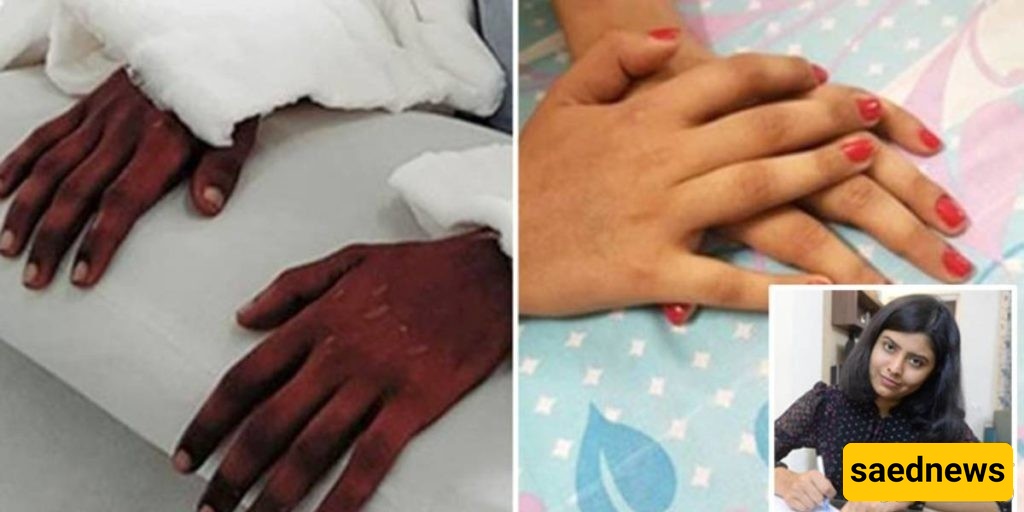
In 2017, surgeons performed the world's first successful cross-gender hand transplant on an 18-year-old woman, and the results over the following years surprised even medical experts. The transplanted hands gradually developed more feminine characteristics, including changes in size, appearance, and skin tone.
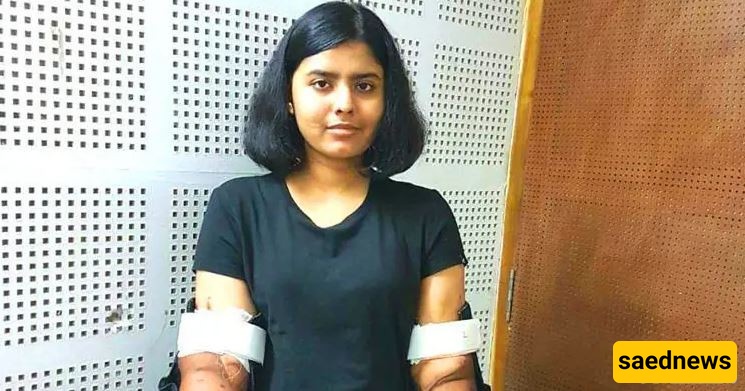
The recipient, an 18-year-old woman from Karnataka, India, lost both her hands and legs in a devastating bus accident. Following the accident in 2016, doctors amputated her hands below the elbows. She later registered for a hand transplant while awaiting a suitable donor.
Months later, a compatible donor was found. The donor was a 21-year-old man with a darker complexion who had died in a road accident. Although the donated hands were larger, thicker, and noticeably darker than her own skin tone, she accepted them without hesitation, grateful for the opportunity to regain hand function.
After months of intensive physiotherapy and rehabilitation, the transplanted hands began to change. They gradually became slimmer and took on a more feminine appearance. Even more remarkably, the initially dark skin tone lightened over time, eventually becoming much closer to the rest of her natural complexion.
Medical experts believe several biological factors may explain these changes. One explanation involves melanin, the pigment responsible for skin color. Because the recipient naturally produces less melanin, the transplanted skin may have gradually adapted to her body's biological environment, resulting in a lighter skin tone.

Hormonal differences may also have contributed. Lower testosterone levels in the female recipient likely influenced the transplanted tissues, reducing hair growth and promoting softer, more feminine characteristics in the hands.
This extraordinary case demonstrates the remarkable adaptability of the human body and highlights the continuing advances in reconstructive and transplant surgery, offering hope to people living with severe limb loss.