Saed News: Sports drinks are widely known as a way to provide energy and replace fluids lost during exercise, but they are not suitable for everyone. Because they contain sugar and electrolytes, these beverages can affect blood sugar levels and may require more careful consumption, especially for people with diabetes.
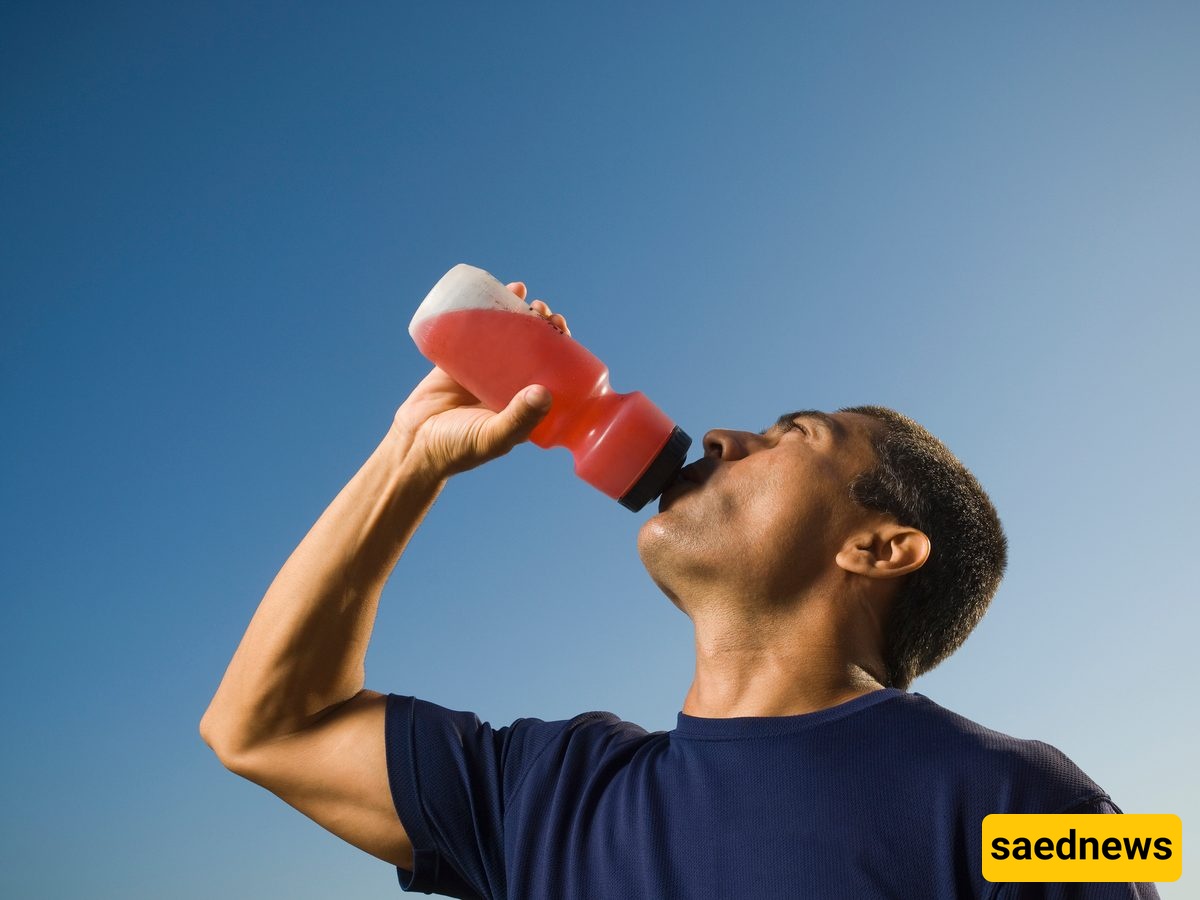
According to Saed News, sports drinks are designed to provide energy and replenish lost fluids during physical activity through their carbohydrate and electrolyte content.
Salamat News reports that these drinks naturally raise blood sugar levels. This can be beneficial for athletes and people engaging in prolonged exercise or activities in hot weather. However, consuming them regularly without a real need—especially for individuals with diabetes or prediabetes—may create challenges in blood sugar management.
Sports drinks usually contain carbohydrates supplied through added sugars. After consumption, these carbohydrates are converted into glucose and enter the bloodstream, causing blood sugar levels to rise.
In healthy individuals, the pancreas responds by releasing insulin, which helps bring blood sugar back to normal levels. If a person is exercising, muscles also use this glucose as a source of energy.
However, if a sports drink is consumed without physical activity—for example, while sitting at a desk—some of the excess sugar will be stored as glycogen in the muscles, while the remainder may eventually be converted into body fat.
For people with diabetes, the body's response is different, and blood sugar elevations are often more severe and longer-lasting. Factors such as medication type, physical activity level, and stress can also influence this response.
The glucose found in sports drinks helps improve sodium absorption, making hydration more effective.
Dehydration, especially during exercise or exposure to hot weather, can cause the blood to become more concentrated and may increase blood sugar levels. Therefore, maintaining proper hydration plays an important role in controlling blood sugar fluctuations.
For people with diabetes, hypoglycemia (low blood sugar) is a common concern. Symptoms such as trembling, sweating, dizziness, and confusion may indicate low blood sugar.
Because sports drinks contain rapidly absorbed carbohydrates and little to no fat or protein, they can be useful for quickly raising blood sugar levels in such situations. On average, one cup of a sports drink contains about 15–16 grams of carbohydrates, which aligns with common recommendations for treating hypoglycemia.
In rare cases, some individuals with diabetes may experience "reactive hypoglycemia" after consuming carbohydrates before exercise. In this situation, blood sugar rises initially and then unexpectedly falls afterward.
This reaction does not occur in everyone, and managing it may require consultation with a physician or registered dietitian.
Consume Them Only When Appropriate
Sports drinks are generally recommended for activities lasting longer than one hour or for exercise performed in hot and humid conditions. If you are not engaging in significant physical activity, you likely do not need them.
Look For Drinks That Contain Carbohydrates
The primary purpose of a sports drink is to provide energy and support hydration. Choose products that contain both carbohydrates and electrolytes.
Be Mindful Of Caffeine
Some sports drinks contain caffeine, which may cause additional increases in blood sugar levels in certain individuals.
Avoid Excessive Consumption Of High-Sodium Drinks
Regular consumption of low-carbohydrate but high-sodium sports drinks without sufficient physical activity is generally unnecessary, as most people already obtain adequate sodium through their daily diet.
Make A Homemade Version
A simple sports drink can be prepared at home by diluting natural fruit juice with water and adding a small amount of salt. Watermelon juice can also be a good option.
Consider Food As An Alternative
Many people do not need sports drinks after exercise and can obtain the necessary nutrients from food. Chocolate milk, Greek yogurt with fruit, and protein shakes are all suitable recovery options after a workout.
Sports drinks are designed to provide energy and replace fluids lost during physical activity through their sugar and electrolyte content. As a result, they raise blood sugar levels. This can be beneficial during prolonged exercise or activity in hot conditions, but routine consumption without a specific need is not recommended, particularly for people with diabetes or prediabetes. Making informed choices and consuming these beverages strategically can help maintain healthy blood sugar balance and overall well-being.