Saed News: Blood sugar naturally fluctuates throughout the day and night, but in people with diabetes these fluctuations can be more severe. Some evening habits can worsen this condition.
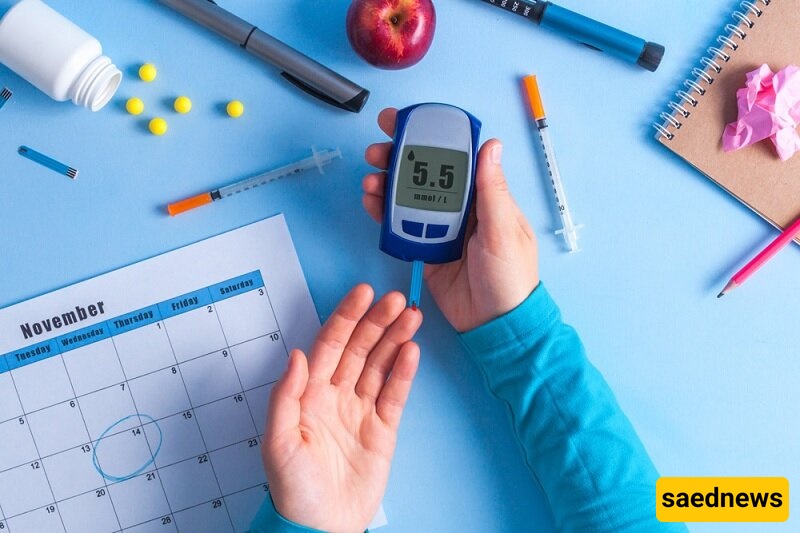
According to SAEDNEWS, blood sugar fluctuations during the night, especially for people with diabetes, can be dangerous. Nutrition specialists say that some common habits in the late hours of the day—from skipping meals to alcohol consumption—play an important role in raising or lowering blood sugar levels.
With a few simple changes, these fluctuations can be controlled.
1) Skipping meals or irregular meal timing
Skipping meals increases the risk of hypoglycemia (low blood sugar). It is better to eat meals at regular and fixed times.
It is recommended to have dinner about 3 to 4 hours before sleep, including complex carbohydrates, protein, and healthy fats.
2) Alcohol consumption at night
Drinking alcohol, especially on an empty stomach, can cause low blood sugar several hours later.
3) Overeating or eating late at night
Eating heavy meals or snacks close to bedtime can increase blood sugar during the night, especially if the food contains simple carbohydrates.
4) Poor food choices before or after nighttime exercise
Evening exercise can lower blood sugar, but in some cases it may also cause nighttime hypoglycemia. Eating a proper snack before or after exercise can help.
5) Overcorrecting low blood sugar
In case of low blood sugar, consuming too many simple sugars can cause a sharp spike. The “15 rule” is recommended: consume 15 grams of carbohydrates, wait 15 minutes, and recheck blood sugar.
6) Unhealthy food choices
Diet plays a key role in blood sugar control:
Reduce added sugars and unhealthy fats
Include fiber and protein in dinner
Control portion sizes
7) Forgetting medication
Missing diabetes medication or insulin can cause high blood sugar during the night. If morning blood sugar is consistently high, the medication plan should be adjusted under medical supervision.
Measure blood sugar before sleep
If it is low, eat a light snack
Use continuous glucose monitoring (CGM) devices
Important symptoms to watch for:
Low blood sugar: shaking, irritability, confusion, rapid heartbeat, sweating
High blood sugar: excessive hunger, drowsiness, blurred vision, dry mouth, frequent urination
Paying attention to nighttime habits, meal timing, and blood sugar monitoring before sleep plays an important role in preventing fluctuations. Proper management of these factors is essential for people with diabetes.