Saed News: A study shows that in nutrition and cancer, the quality of fat is more important than its quantity; some fats may promote cancer growth, while others have a protective role.
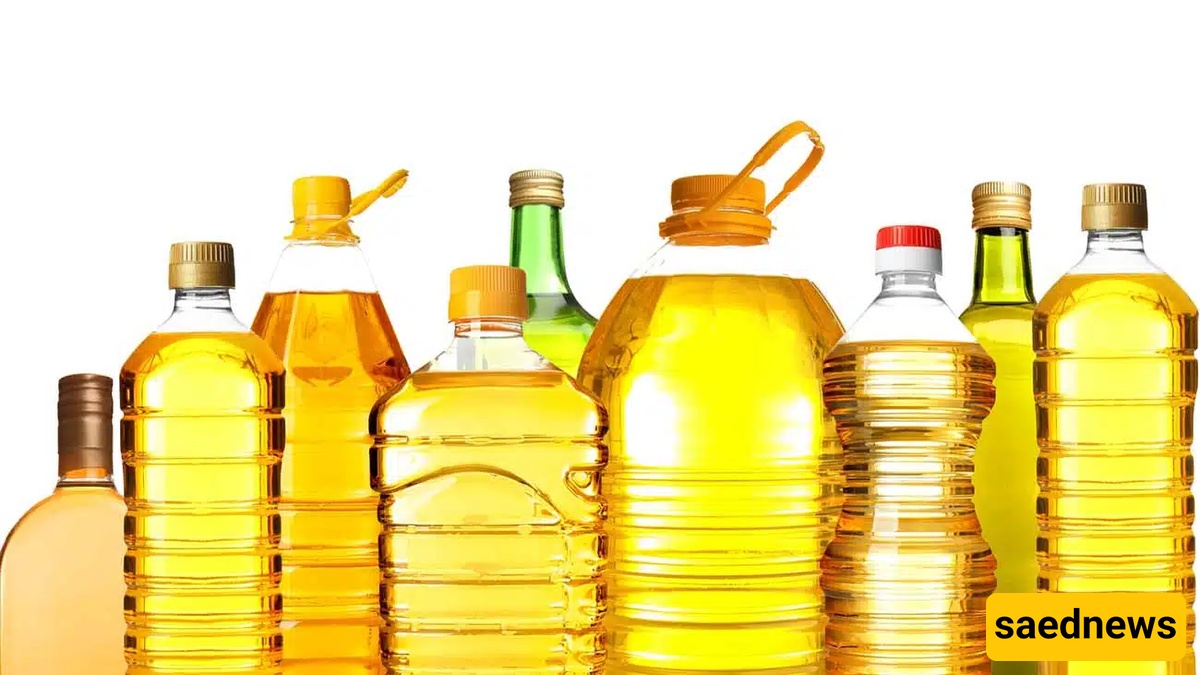
According to SAEDNEWS, researchers have found that different types of dietary fats can have completely different effects on pancreatic cancer, with some accelerating tumor growth and others suppressing it.
For years, high-fat diets have been linked to an increased risk of cancer, but most attention has focused on the amount of fat consumed. This new research shows that the type of fat may be more important, especially in pancreatic cancer.
The study, published in the journal Cancer Discovery, shows that some fats promote tumor growth while others suppress it.
Christine Felipe Ruiz, a researcher at Yale University and the lead author of the study, says: “It is not just about the amount of fat, but the type. Depending on the type of fat, the effects can be completely different; some fats increase cancer growth while others significantly inhibit it.”
Pancreatic ductal adenocarcinoma (PDAC) is one of the deadliest types of cancer; only about 13% of patients survive five years after diagnosis. It is estimated that more than 65,000 people in the United States will be diagnosed annually, and more than 50,000 will die from it.
Currently, treatment options are limited, especially in advanced stages; therefore, prevention plays a vital role.
To investigate further, researchers tested 12 types of high-fat diets on mice. All diets had the same calories but differed in fat type and simulated common dietary patterns.
The results showed:
Diets rich in oleic acid (found in olive oil, sunflower oil, and peanuts) increased tumor growth
In contrast, diets containing polyunsaturated fatty acids (PUFAs), especially omega-3 (such as fish oil), reduced cancer growth
According to researchers, in mice fed with fish oil, disease progression was reduced by up to 50%.
Researchers examined a process called ferroptosis (programmed cell death caused by lipid oxidation).
PUFAs oxidize more easily: cancer cells die more
MUFAs (such as oleic acid) are more resistant to oxidation: cancer cells survive more
In simple terms, some fats protect cancer cells from death.
It was also found that the higher the MUFA-to-PUFA ratio in the diet, the more severe the disease, and vice versa.
In this study, oleic acid mainly increased tumor growth in male mice, while its effect was weaker in females. However, omega-3 fats showed protective effects in both sexes.
Although these findings have not yet been confirmed in humans, they may be particularly important for people at risk (such as those with chronic pancreatitis, obesity, diabetes, or a family history of cancer).
Researchers hope that in the future:
Changing dietary fat types could be used as a preventive strategy
Blood fat ratios could serve as biomarkers for cancer risk
This study shows that in nutrition and cancer, fat quality is more important than quantity; some fats may promote cancer growth, while others have a protective role.