Saed News: Sometimes being aware of common life mistakes and following a few simple tips can lead to weight loss and a more fit appearance.
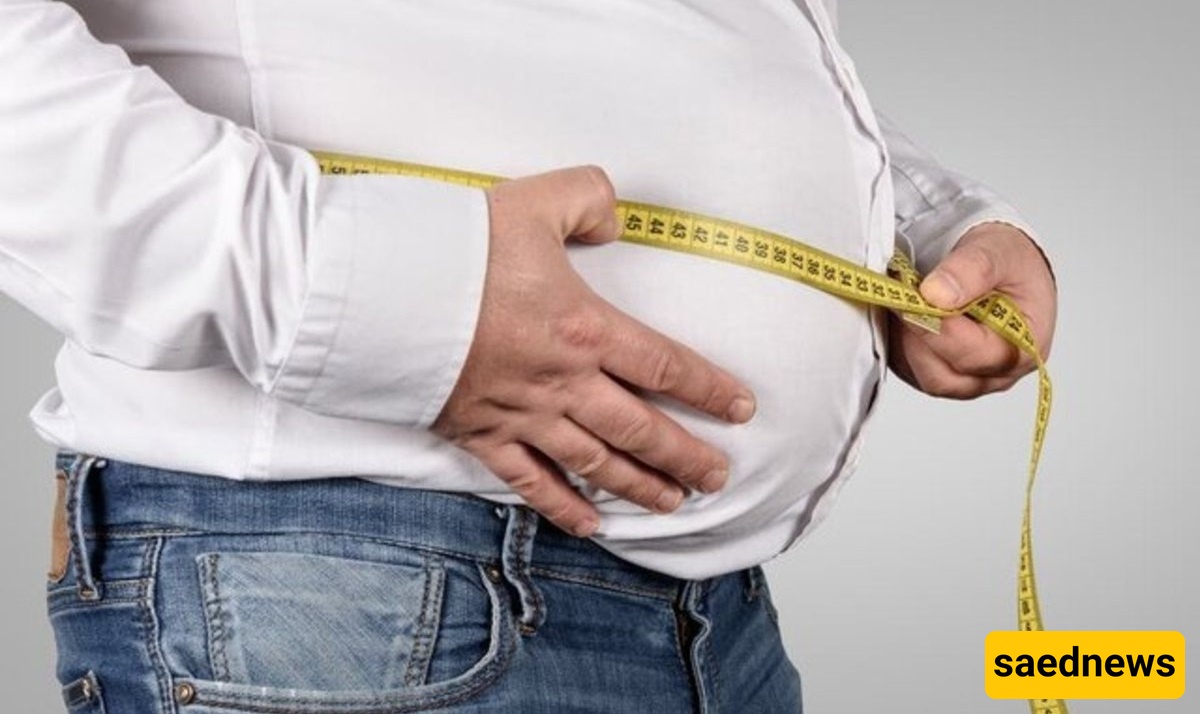
According to SAEDNEWS, a habit is something you usually do without thinking. Therefore, if you can change your habits, you can easily and automatically lose fat and become slimmer.
1. You don’t get enough sleep
People who sleep less than 5 hours at night are 2.5 times more likely to suffer from abdominal obesity. Experts say most adults need 7 to 8 hours of sleep per night.
2. You drink diet soda
Although diet soda has fewer calories than regular soda, it also has its own risks and side effects. In a 10-year study conducted on 475 people, waist size in diet soda consumers increased by 70% compared to others.
3. You eat most of the time in groups
When you eat with others, the amount of food you consume is 44% more than when you eat alone. To prevent abdominal obesity, you do not need to stop socializing with friends; just occasionally change this habit and add running or walking to your routine.
4. You follow a restricted diet
When you eliminate many foods from your diet, you quickly get tired of your restrictive plan and eventually overeat. On the other hand, severe calorie reduction slows down the body’s metabolism. If your weight loss stops after a while, take a two-week break from dieting.
5. You use large plates
The larger your plate is, the higher the chance of overeating and therefore the higher the risk of abdominal obesity. So by choosing smaller dishes, you can control your food intake.
6. You do not eat mindfully
Mindful eating means eating without distractions. You should chew slowly and pay attention to the taste, smell, and texture of food. When your mind is focused on something other than food, you may not notice when you are full and may overeat.
7. You eat too fast
It takes 20 minutes for the stomach to send the fullness signal to the brain. According to research, people who eat slowly consume 66 fewer calories per meal and feel more satisfied compared to those who eat quickly.
8. You do not drink enough water
The more water you drink, the greater your chance of reducing belly fat. In one study, participants who drank two glasses of water before each meal lost 30% more weight than others. German researchers also found that drinking 6 glasses of cold water per day causes the body to burn about 50 extra calories, which can lead to 2.2 kg of weight loss per year.
9. You eat when you are stressed
People who eat in response to emotional stress are 13 times more likely to be overweight or obese. These individuals are advised to chew gum, drink a glass of water, or go for a walk when stressed.
10. You always use the elevator
Research shows that if a 68 kg person only climbs two steps per day, they can lose about 2.7 kg per year. If they increase it to 6 steps, they can lose up to 8 kg per year.
11. You sleep too much
Although lack of sleep is associated with weight gain, excessive sleep is also not healthy. According to research, people who sleep more than eight hours per night are at risk of abdominal obesity.
12. Food is always in your sight
Research shows that using opaque containers instead of transparent ones and keeping healthy snacks visible can reduce the consumption of sweets. Changing the environment is easier than changing mindset, so keep unhealthy foods out of sight.
13. You eat dinner late
Eating dinner early helps weight loss because you have more time to burn calories before sleep. Try to schedule dinner earlier in the evening. If you eat late, go for a walk afterward to burn more calories.
14. Your bedroom is too warm
Adjusting room temperature is a simple solution for reducing abdominal fat. Research shows that regularly exposing the body to mild cold helps with weight loss. In a Japanese study, participants who stayed in cooler temperatures (around 16.6°C) for 6 weeks lost more fat.
15. You eat white bread
White bread made from refined flour contains little fiber and is digested quickly. As a result, it raises blood sugar faster than whole grains, leading to increased insulin levels and fat storage.
16. You always eat at restaurants
Restaurant food is usually full of fat, sugar, salt, and calories. Also, eating at restaurants increases the chance of overeating.
17. You consume too much protein
A high-protein, low-carb diet may initially help with weight loss, but in the long term it can lead to weight gain. Instead of eating large amounts of protein foods, fill half your plate with vegetables and salads.
18. You eat too many chips and salty foods
Salt disrupts biological processes that tell you when you are full. As a result, you eat more. Therefore, it is recommended to use herbs and natural spices instead of salt.
19. You confuse thirst with hunger
Research shows that in 60% of cases, people confuse thirst with hunger. So whenever you feel hungry, first drink some water.
20. You skip meals
Skipping meals increases the risk of obesity, especially breakfast. People who skip breakfast are 4.5 times more likely to become obese.
21. You only eat 3 meals per day
Although many people eat most of their calories in two or three large meals, this pattern is not ideal. Eating smaller meals and including snacks helps stabilize blood sugar and prevents overeating.
22. You use low-fat products
Avoid foods labeled “low-fat” or “fat-free,” because they replace fat with fast-digesting carbohydrates, which increase blood sugar and hunger.
23. You sit too much
Most people sit 7 to 10 hours a day. Standing more instead of sitting increases calorie burning. Standing for just 3 hours a day can burn over 30,000 extra calories per year.
24. You do not eat a filling snack before going to restaurants
Eating an apple or a bowl of soup before going to a restaurant can reduce calorie intake by up to 20%.
25. You consume too many canned foods
Bisphenol A (BPA), used in plastic containers and cans, can negatively affect fertility and increase the risk of obesity.
26. You do not go outside enough
There is a link between vitamin D (produced by sunlight exposure) and abdominal obesity. People with belly fat often have lower vitamin D levels.
27. Your protein sources are high in saturated fat
All meats contain protein, but red meat such as beef and lamb contains more saturated fat than fish, chicken, or turkey. Saturated fat may increase abdominal fat.
28. You think you can eat anything because you exercise
Many people overestimate calorie burning from exercise and overeat afterward. Remember that about 80% of weight loss depends on diet and 20% on exercise.
29. You do not drink coffee
A cup of coffee in the morning can increase metabolism, but adding sugar or cream reduces its benefits. Excess sugar increases blood sugar fluctuations and leads to cravings for unhealthy foods.
30. You love fried foods
Avoid trans fats found in fried foods and solid oils. Trans fats cause inflammation and insulin resistance, leading to fat accumulation around the abdomen.
31. You avoid dairy products
Research shows that a calcium-rich diet can help fat burning and weight loss. If you are lactose intolerant, use lactose-free milk or yogurt.
32. You do not get enough vitamin C
Vitamin C helps reduce stress hormones that cause fat accumulation around the abdomen. Fruits and vegetables like bell peppers, zucchini, cabbage, and citrus fruits are rich in vitamin C.
Abdominal obesity increases the risk of diseases such as type 2 diabetes and heart disease. Most people can reduce belly fat through lifestyle changes, improved diet, and increased physical activity.