SAEDNEWS: The images you see and the brief story you read are excerpts from an article published in Ettelaat Weekly in 1957. An Ettelaat journalist tracked down one of Naser al-Din Shah Qajar’s temporary wives and conducted an interview with her.
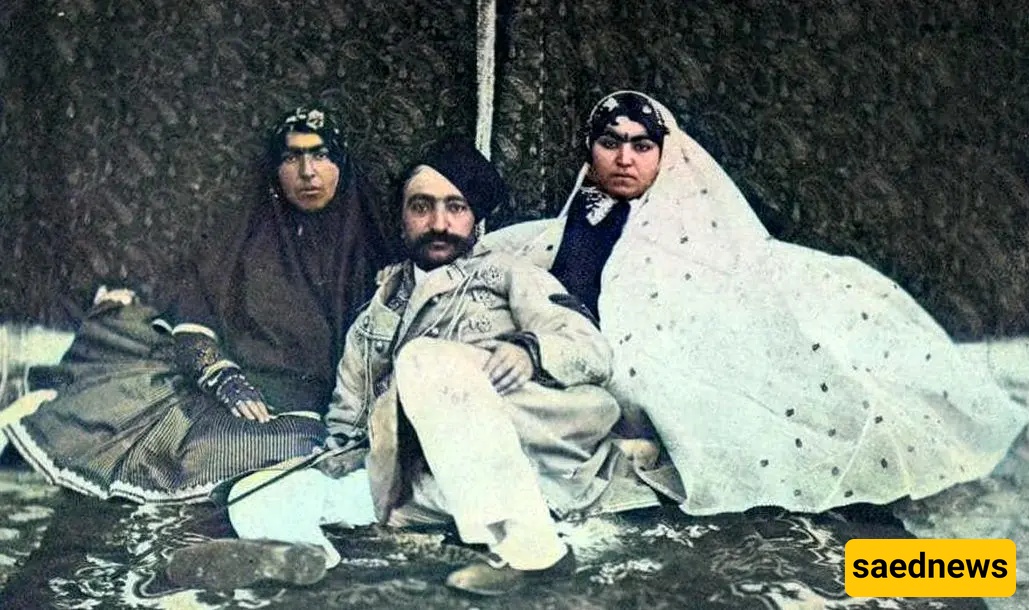
According to Saed News’ social affairs service, citing Khabar Online, in the last week of August 1957—exactly 61 years after the assassination of Naser al-Din Shah Qajar by Mirza Reza Kermani—a reporter from Ettelaat Haftegi encountered an intriguing subject. He managed to find one of Naser al-Din Shah’s temporary wives.
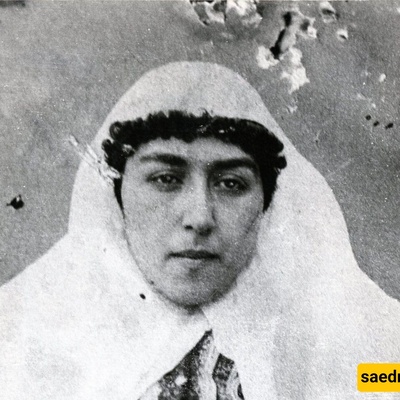
She was called “Khanum Bala” (Lady Above). Zivar Haj-Saleh was one of the 64 women in the Shah’s harem and had been his legal wife for ten years. By the summer of 1957, at the age of 95, she was living in a small 2x4 meter room in a remote house in Golbandeh, provided free of charge by a charitable woman. She spent her remaining years as part of that family. Khanum Bala agreed to recount her memories of life in Naser al-Din Shah’s harem. What follows is the second part of her memoirs, as published in Ettelaat Haftegi magazine on September 13, 1957.
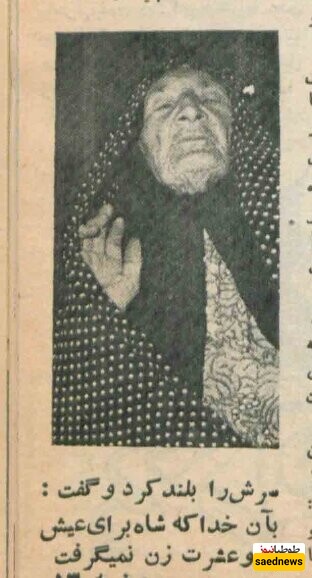
In this part of her memoirs, in response to the reporter’s question—“You haven’t mentioned the dowries or gifts for the Shah’s temporary wives!”—she replied:
“At the time I was married to the Shah, my dowry, as you call it, consisted of 700 tomans, a black servant, a full-length mirror, a precious diamond ring, and two pieces of fine fabric. Just the 700 tomans, if calculated in today’s money, would be a fortune. Do you think the Shah married women for pleasure? He said he married for the welfare of his people.
From every town and village, he would take a bride so he could reach more people, help them, and understand their problems. Many of the Shah’s wives did not see him even once in a year. He provided all necessary comforts for his wives and never neglected the state of the harem, personally inspecting it. For example, every four women had a private bath, and each lady had a separate kitchen. I myself had one supervisor, several maids and servants, and a cook. When lunch was ready, the supervisor would seal it with a stamp to ensure no poison was added. The Shah feared that jealousy among his wives might lead to poisoning, so he instructed that supervisors carefully monitor everything to prevent crimes in the harem. Thus, each wife had a dedicated food supervisor, resulting in over 350 kitchens in the harem.
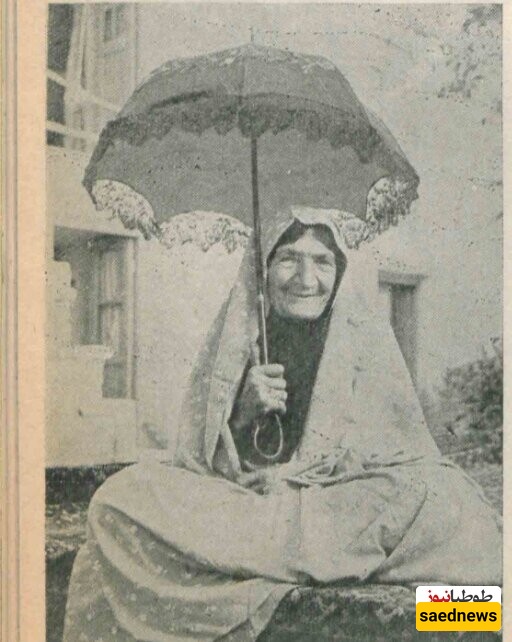
It was said that once a woman, out of jealousy, had poisoned another’s food because she had slandered her to the Shah. One of the cooks discovered the plot and reported it. The Shah summoned the jealous wife, first scolding her and then advising her that if he ever heard of magic, mischief, or plots in the harem again, he would immediately summon the executioner.”