SAEDNEWS: There are many reasons why the skin on the heels can become dry and cracked. In some cases, this condition may indicate a vitamin deficiency.
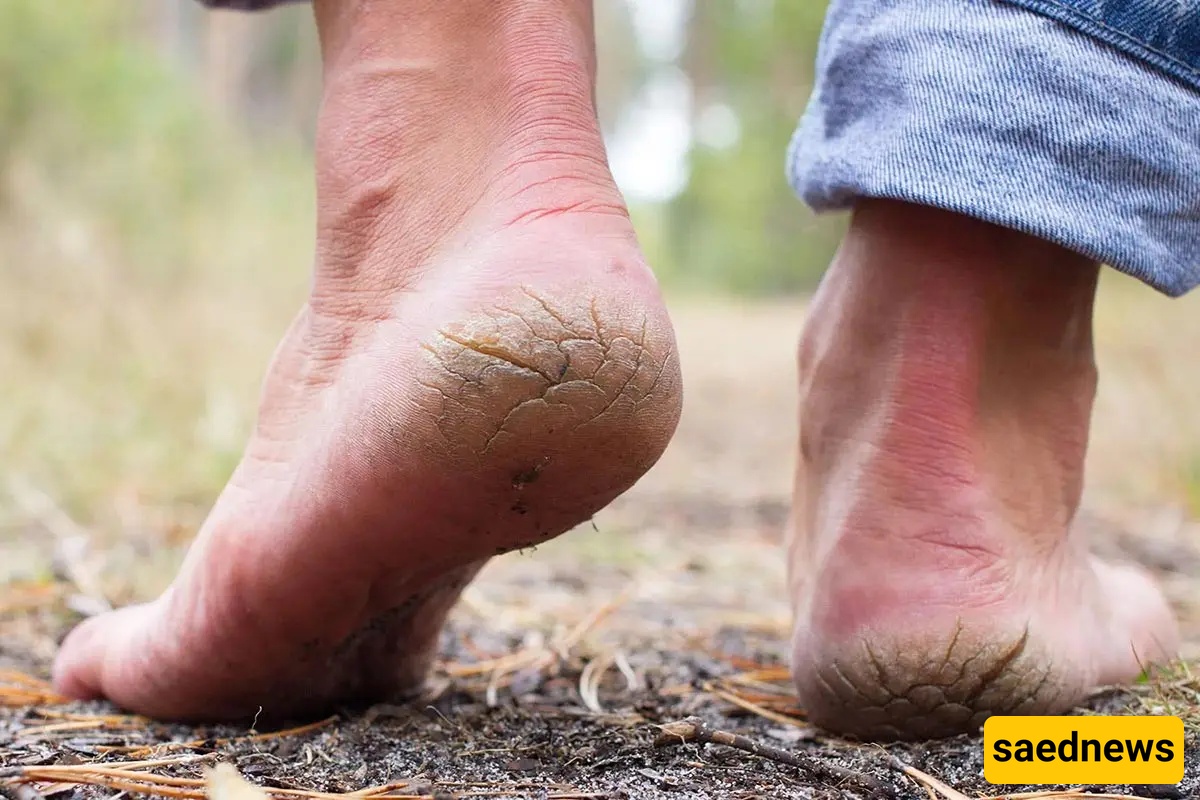
According to SaedNews Health Service, cracked heels are usually not a serious condition. For many people, these cracks affect only the outer layer of the skin and do not cause pain. However, when the cracks reach deeper layers, they can become painful, and in some cases, the heel may even start to bleed.
You may have heard that your skin reflects your internal health. If your body does not receive essential vitamins in sufficient amounts, it can lead to dullness, dryness, and premature aging of the skin. In some cases, it may even cause flaking or cracking of the skin on the heels.
The following three vitamins play a key role in maintaining healthy skin and proper nourishment:
Vitamin E
Vitamin E acts as an antioxidant, protecting your cells and helping them live longer. It also supports skin health and strengthens the immune system. In the diet, vitamin E protects collagen from biological processes related to skin aging and from the effects of dryness, which can increase the risk of cracked heels.
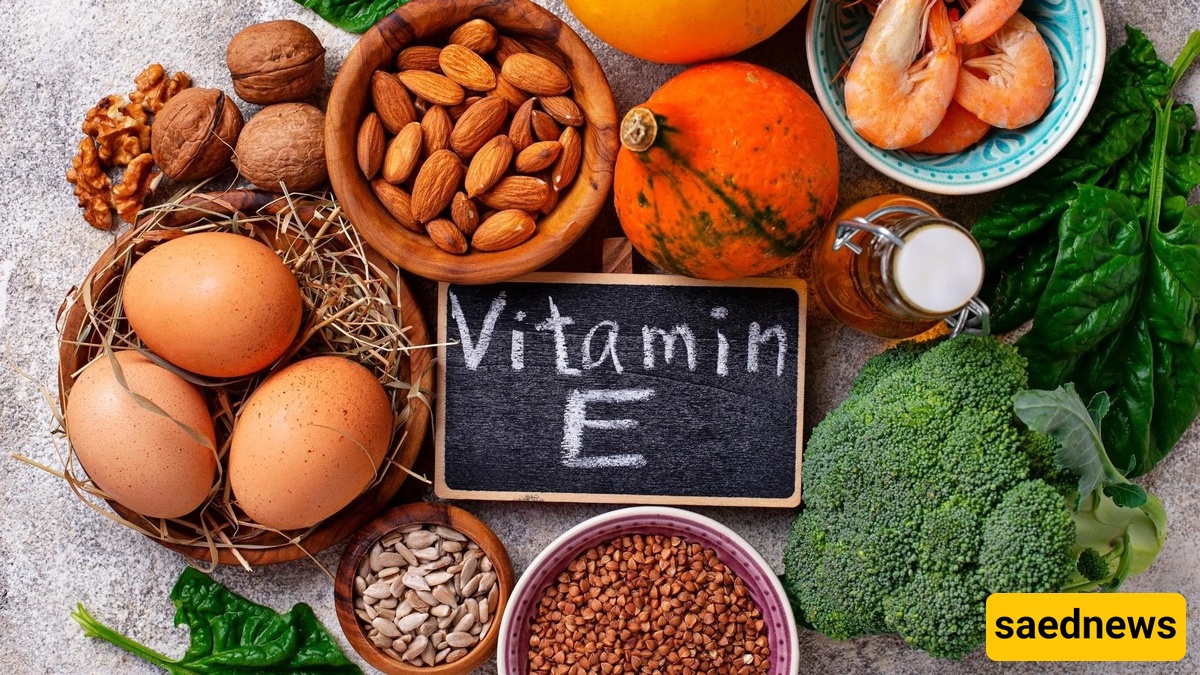
Good dietary sources of vitamin E include wheat germ oil, hazelnut oil, sunflower oil, almond oil, sunflower seeds, nuts such as almonds, hazelnuts, pine nuts, salmon, avocado, and mango. Vitamin E deficiency is rare in individuals without digestive disorders, such as Crohn’s disease or cystic fibrosis, which can impair fat absorption.
Vitamin B3
Vitamin B3, also known as niacin, is essential for energy metabolism. Without it, the body cannot convert food into usable energy. Vitamin B3 is an antioxidant that fights free radicals—unstable molecules that can damage the body if present in excess.
Insufficient vitamin B3 intake can increase the risk of developing pellagra. One symptom of pellagra is dry, flaky skin, which can appear on various parts of the body, including the heels. Other symptoms include confusion, diarrhea, loss of appetite, abdominal pain, and weakness.

Vitamin B3-rich foods include poultry (chicken breast, turkey), ground beef and liver, seafood such as tuna and salmon, brown rice, avocado, and lentils.
Vitamin C
Vitamin C, or ascorbic acid, is another antioxidant that helps prevent cellular damage and supports collagen production. The body stores large amounts of vitamin C in skin cells to protect against environmental damage. Research shows that vitamin C levels are lower in sun-damaged skin. Since vitamin C helps skin retain moisture, inadequate intake may lead to dehydration and dryness of skin cells, including those on the heels.
Vitamin C deficiency, known as scurvy, can cause bruising, dry skin, flaking, delayed wound healing, cracked skin, and bleeding around the skin or hair follicles.
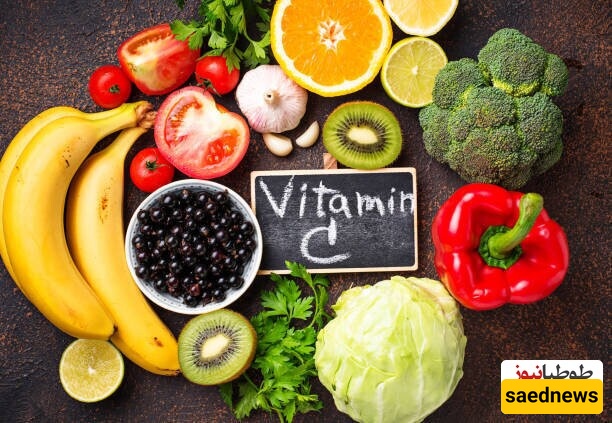
Good sources of vitamin C include red and green peppers, kiwi, broccoli, strawberries, oranges, and kale.