Nowadays, chemical cleaning agents are widely used due to their strong cleaning power. However, if they are not used correctly, they can cause serious harm to some individuals. Chemical cleaning agents should never be mixed. In this article, we aim to guide you better on this topic.
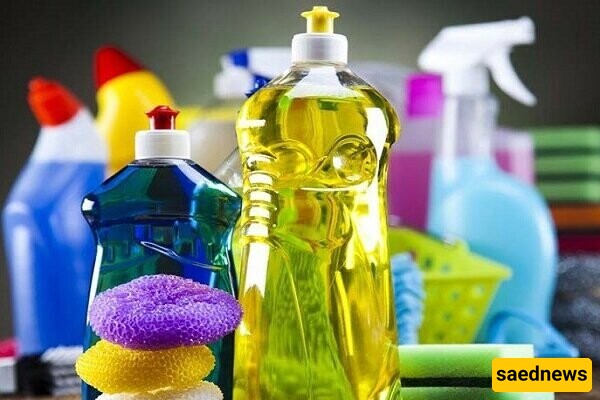
Golden Tips for Using Cleaning Agents at Home
Which Cleaning Agent Combinations Are Dangerous?
Mixing Two Different Brands of Cleaning Agents
Mixing Bleach and Laundry Detergent Powder
Mixing Bleach and Alcohol
How to Use Household Cleaning Agents for Better Cleaning
Chlorine-Based Cleaners Are Not Always Suitable
Read the Label Before Using Furniture Polish
Dishwashing Liquid Should Be Diluted with Water
Do Not Clean Screens with Paper Towels
Do Not Use Dishwashing Liquid to Remove Carpet Stains
Final Words
Iranians have traditionally welcomed the New Year by deep cleaning their homes. Using cleaning products has been an essential part of this process. However, with the advent of new-generation cleaning agents, concerns regarding harmful chemicals in households have also increased. While cleaning products help families, especially women, with household chores, they can also cause respiratory issues and poisoning. This article will outline safety and hygiene tips for using and storing cleaning products.
According to Saed News, these substances have strong acidic and alkaline properties, so it is essential to follow these precautions when using them:
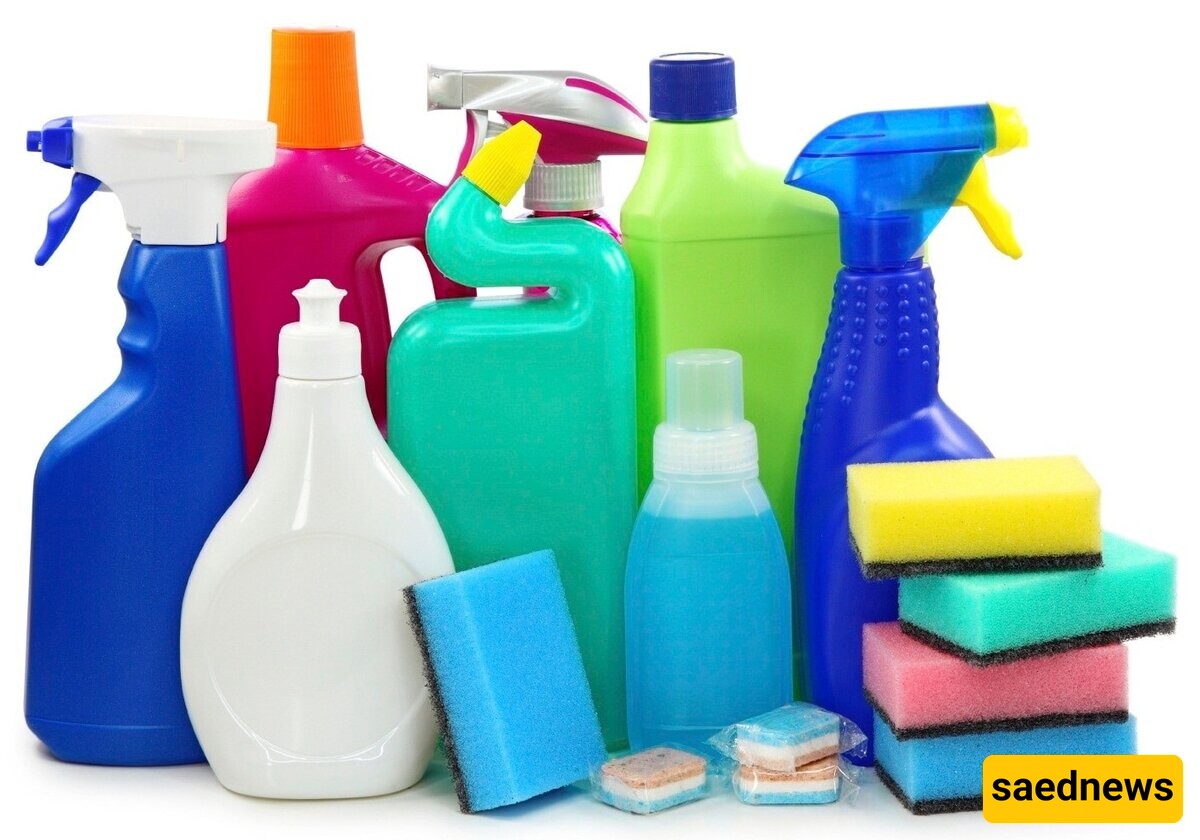
Always read warnings, recommendations, and usage instructions on product labels before use.
Never use cleaning agents in enclosed spaces, as the gases released can harm the eyes, lungs, and skin. Ensure proper ventilation.
Some people believe that mixing bleach with descalers increases cleaning power, but this can release toxic gases that cause severe lung damage.
Never mix cleaning agents with hot water.
When cleaning bathrooms and toilets, wear protective masks and open windows for ventilation.
Always wear gloves and a mask when using corrosive products.
Store hazardous materials out of children's reach. Keep containers tightly closed and return any transferred chemicals to their original packaging.
If a child accidentally ingests a cleaning agent, rinse their mouth immediately but do not give them water, as it accelerates absorption. Instead, give them milk and take them to a hospital as soon as possible.
Many cleaning agents, when mixed, release toxic gases that severely damage the lungs, eyes, kidneys, liver, and skin. Even minor exposure can have serious consequences. Some hazardous combinations include:
You may not have considered this, but mixing different brands of the same type of cleaning product can release toxic fumes that harm your health. Always use cleaning agents separately, even if they are similar products.
Many people assume this is harmless since both are common household items. However, most respiratory problems caused by mixing cleaning agents come from this specific combination.
Some people mix bleach and alcohol for deeper disinfection, unaware of the dangers. This combination produces toxic gas that harms the respiratory system, eyes, skin, and nervous system. Never use this mixture for disinfection.
Some use a mix of vinegar and bleach to polish stainless steel and faucets. However, this combination creates a highly toxic gas that quickly damages the eyes and lungs. To clean surfaces effectively, avoid mixing these chemicals.
While this mixture does not produce toxic gas, storing it in a sealed container can cause an explosion. Many people shake containers to mix cleaning solutions, but doing so with baking soda and vinegar can be hazardous.
Some believe that mixing hydrogen peroxide and vinegar creates a stronger cleaning solution. However, this combination can irritate the eyes, lungs, and throat, causing severe coughing and dizziness. If you experience these symptoms, leave the area immediately, rinse your face with water, and drink fresh water. Seek medical help if symptoms persist.
Although mixing bleach and hydrochloric acid increases cleaning power, it quickly releases a toxic gas that severely affects the lungs. To avoid health risks, use these products separately with sufficient time between applications.
One important rule when using cleaning products is that a single product should not be used for multiple cleaning tasks, as it may damage surfaces. Here, we will explain the correct way to use different cleaning products.
Chlorine-based cleaners are excellent for disinfecting and killing bacteria but can damage certain materials. Avoid using them on tiles, as they cause dullness. Chlorine can also corrode metals, including stainless steel and copper, causing stains and rust. Do not use bleach to remove rust stains, as it can worsen the problem.
There are two types of furniture polishes: oil-based and water-based emulsions. While both remove dirt effectively, oil-based polishes attract dust and may turn yellow or brown over time, making furniture appear dirty. Avoid using oil-based polishes on laminated surfaces, as they can stain and damage protective coatings.
Using excessive dishwashing liquid can leave residue on dishes, reducing their shine and potentially contaminating food. Do not dilute dish soap directly in its container, as this can encourage bacterial growth. Instead, dilute one teaspoon of dishwashing liquid in one liter of hot water in the sink.
Paper towels are helpful in the kitchen, but they are too rough for screens. Their fibers can scratch delicate surfaces or damage crystals. Use microfiber cloths instead to avoid scratches.
Dishwashing liquid residue can get trapped in carpet fibers, making them sticky and attracting more dirt. This results in frequent cleaning needs. Avoid using dish soap on carpets or moka pots, as it removes the protective oil layer inside.
By following these simple tips, you can prevent potential hazards. If you have any experiences related to this topic, share them with us in the comments section.