SAEDNEWS: Leaving an air conditioner on continuously is technically possible and does not cause immediate technical problems. However, it is not recommended because it can lead to higher electricity consumption and increased wear and tear on the unit over time.
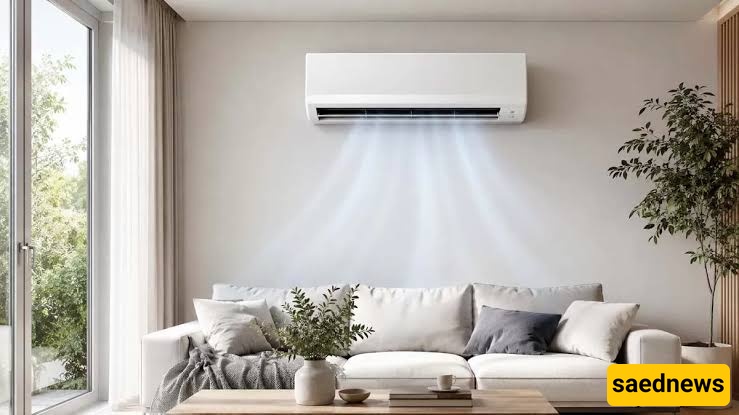
According toSaednews, The answer to this question is that leaving an air conditioner running continuously is generally possible, but it is not recommended for several reasons.
High energy consumption: Continuous operation increases electricity costs and puts additional pressure on the compressor.
Reduced lifespan: Keeping the air conditioner on constantly may shorten its useful life because the internal components operate continuously and may wear out faster.
Unnecessary use in moderate weather: During seasons when the temperature is comfortable, running the air conditioner continuously is unnecessary. Using a fan or natural ventilation may be a better option.
Continuous operation of a split air conditioner for extended periods is usually acceptable under the following conditions:
In this mode, the air conditioner turns off the compressor after reaching the desired temperature and only keeps the fan running. This reduces electricity consumption and allows the system to rest.
On very hot days, it may be necessary to keep the air conditioner running for longer periods. However, it is still recommended to use the automatic mode and allow the unit to rest occasionally.
Modern and properly maintained air conditioners are designed for longer operating periods compared with older models. If they remain on for extended periods, they are less likely to suffer damage.
Leaving an Air Conditioner Running Continuously
Keeping an air conditioner running continuously can have both benefits and drawbacks.
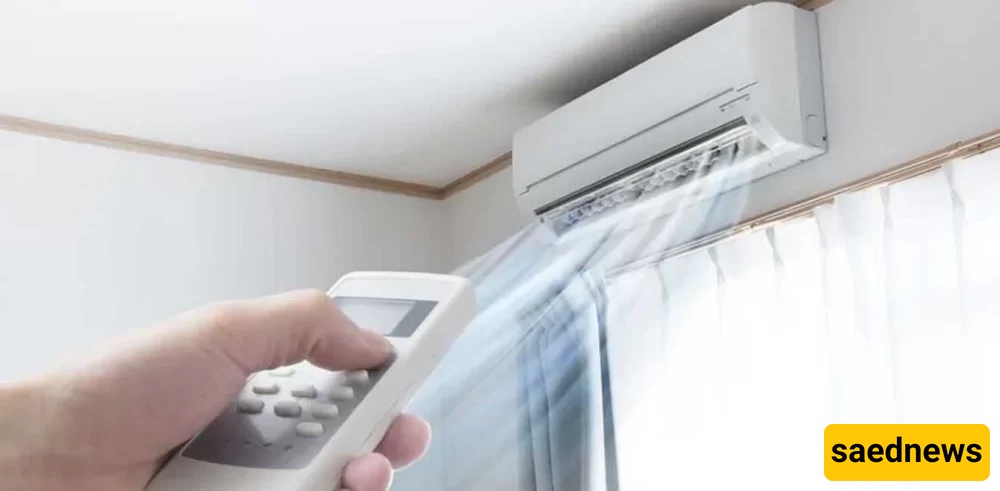
Continuous operation keeps the room temperature at a stable and comfortable level and prevents sudden temperature changes. This can provide greater comfort in very hot and humid climates.
In inverter air conditioners, which have variable-speed compressors, continuous operation may place less stress on the compressor.
In traditional air conditioners, frequent compressor starts and stops create additional pressure and may reduce the unit’s lifespan.
Air conditioners not only cool the air but also remove humidity. Continuous operation can help maintain a more comfortable humidity level indoors.
Each compressor startup requires a higher amount of electricity. Continuous operation, especially in inverter models, can reduce frequent high-energy startup cycles.
Users do not need to constantly worry about turning the air conditioner on and off and can enjoy a more stable indoor environment.
Higher electricity consumption: The biggest disadvantage of continuous air conditioner operation is increased energy use, which leads to higher electricity bills. Even inverter models consume more electricity when operating nonstop.
Faster wear of components: Long-term operation can increase the wear of parts such as the compressor, fans, and electronic control board, reducing the overall lifespan of the unit.
Excessive dryness: Continuous cooling can reduce indoor humidity too much, which may cause dry skin, irritated eyes, and respiratory discomfort.
Risk of evaporator freezing: If the temperature is set too low or there is a thermostat problem, continuous operation may cause the evaporator to freeze and affect the performance of the system.
More frequent maintenance: Extended operation may increase the need for regular servicing to prevent serious problems.
Safety risks with old or damaged units: If an air conditioner is outdated or has electrical wiring problems or faulty components, prolonged operation may increase the risk of overheating and even fire.
Should an Air Conditioner Always Stay On?
An air conditioner does not necessarily need to remain on all the time. The best approach depends on the weather conditions, the type and condition of the unit, and the desired indoor comfort level.
For daily use, setting the air conditioner to an appropriate temperature and using Auto Mode is usually the most efficient choice. During extremely hot weather, continuous operation may be acceptable, especially with modern inverter models, but regular maintenance and proper temperature settings are essential to protect the device and reduce energy costs.