SAEDNEWS: Teaching children to wait calmly is an important part of developing emotional control, responsibility, and healthy social habits. Simple daily activities and supportive guidance can help children gradually understand that good things sometimes require time.
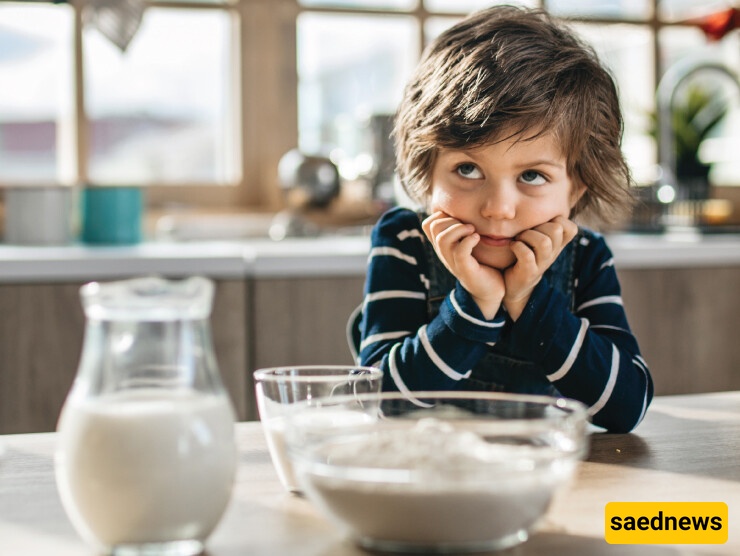
According to SAEDNEWS, patience helps children manage disappointment, control impulsive reactions, and handle situations that do not happen immediately. Young children naturally want quick results, so learning to wait is a gradual process. Parents can support this development by setting realistic expectations and showing that waiting is a normal part of everyday life.
Children can learn patience through short and manageable experiences. Parents might ask them to wait a few minutes before receiving a snack, starting a game, or opening a book. Gradually increasing the waiting time allows children to practice self-control without feeling overwhelmed. Praise for calm behavior can also make the experience more encouraging.

Simple household activities can provide natural opportunities to develop patience. Preparing food, growing plants, completing a puzzle, or waiting for a turn during a family game can teach children that some results take time. Parents can explain what is happening and encourage children to focus on the process instead of constantly asking when something will be finished.
Patience becomes especially important when children cannot immediately get what they want. Instead of quickly changing the situation to prevent frustration, parents can acknowledge the child's feelings and calmly explain the reason for waiting. Teaching children to take deep breaths, choose another activity, or think about what they can do while waiting can help them manage difficult moments.
Children often learn patience by observing adults. Speaking calmly, waiting respectfully, and avoiding unnecessary frustration can demonstrate how to respond when things take longer than expected. Consistent guidance is more effective than demanding instant patience. With regular practice, children can gradually become better at waiting, managing emotions, and appreciating the value of time.