SAEDNEWS: The words “contour” and “container” are often confused, but they refer to completely different things: the former is a makeup technique used to enhance and define the face, while the latter is a metal box used for transporting goods.
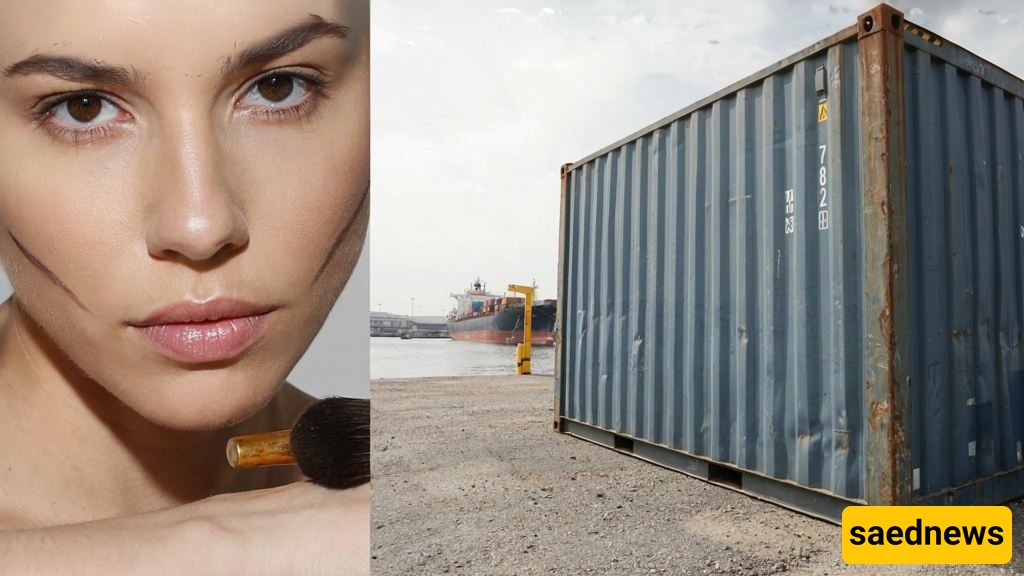
According to Saednews, Contouring is a makeup technique that uses shading to enhance, define, or visually reshape certain parts of the face or body, such as the cheekbones or chest. Specialized contouring cosmetics are available for this purpose.
Contour products are generally available in warm and cool tones. They can be used to create areas that appear one or two shades darker or lighter than the natural skin tone. Common application areas include the cheeks, sides of the nose, jawline, outer edges of the face, and the T-zone—the area running along the nose and above the eyebrows.
By creating an optical illusion through light and shadow, contouring can make selected features appear more prominent or smaller. For example, shading can emphasize the cheekbones while making the nose appear narrower.

Contouring has a long history in stage and film makeup. It was reportedly used as early as the 16th century by Elizabethan stage actors, who applied materials such as chalk and soot to their faces so audiences could better recognize their facial expressions.
By the late 19th century, the widespread introduction of electric lighting made soot less practical. Actors began using greasepaint and other forms of theatrical makeup to define facial features and communicate emotions more effectively.
During the Victorian era, makeup was often viewed as unusual or inappropriate for respectable women because it was strongly associated with stage performers and prostitutes. Cosmetics were also primarily available through specialized shops.
In the 1920s and 1930s, contouring became increasingly important in cinema. German actress Marlene Dietrich famously used shading to emphasize the natural structure and lines of her face for film appearances.
During the 1930s and 1940s, makeup artist Max Factor became well known for creating sophisticated makeup looks for actors. He used strategic shading to make makeup appear more natural on camera and published early guidance on contouring techniques for different face shapes.
Makeup artist Ben Nye also became influential in theatrical and film makeup. He worked on major productions, including Gone with the Wind, and later established the Ben Nye makeup brand, which remains widely known.
During the 1950s, contouring became particularly popular in Hollywood. Stars such as Audrey Hepburn, Marilyn Monroe, and Elizabeth Taylor used shading and highlighting to define their facial features.

In the 1990s, makeup artist Kevyn Aucoin helped popularize sculpted makeup looks among celebrities, including Gwyneth Paltrow, Cindy Crawford, and Janet Jackson.
By the 2000s, contouring expanded beyond the face. Body contouring, including techniques designed to visually enhance areas such as the chest, became increasingly popular, particularly among celebrities and in beauty photography.
A container is a large standardized metal box designed to hold and transport goods. Containers can be moved by ships, trains, airplanes, and trucks. The term may also be used in some contexts to refer to a truck designed to transport such a box.
Containers are among the most important components of international freight transportation, particularly for shipping goods between countries.
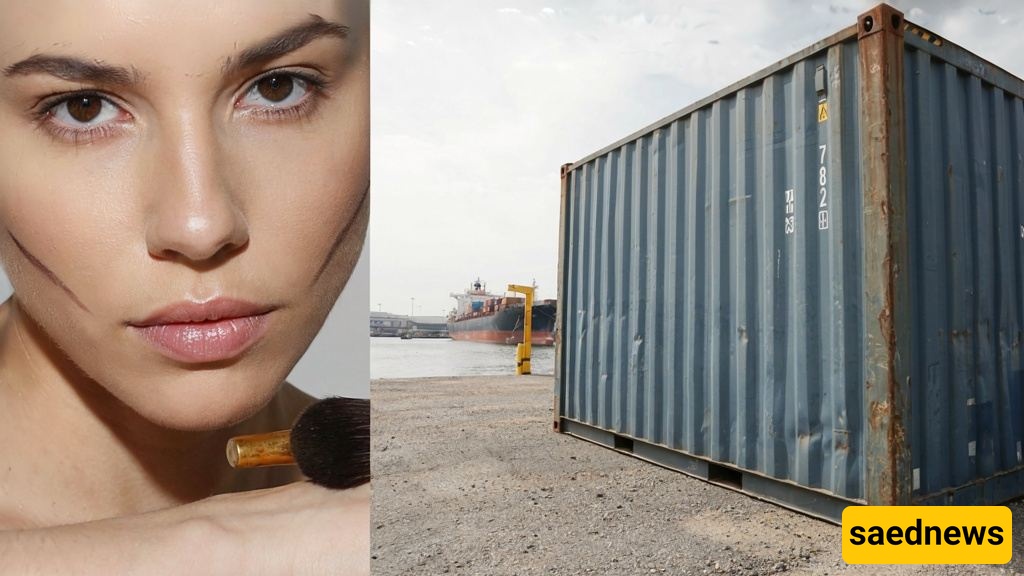
Because their walls are strong and resistant to weather and external conditions, containers are also used for storage and other purposes beyond transportation.
The transportation of goods using standardized containers is known as containerization. It is an intermodal transportation system, meaning that the same container can be transferred between different modes of transport without unloading the goods inside. For example, a container can move from a ship to a railway wagon and then onto a truck.
Modern containerization relies heavily on standardized ISO containers. Their standardized dimensions allow them to be efficiently loaded onto ships, trains, and trucks.
Containers are manufactured in different types and configurations, with each type designed for particular categories of cargo.
Today, a significant proportion of global freight is transported in containers. Their widespread use is largely due to several advantages:
Protection of goods from weather conditions such as rain and sunlight
Greater security against theft during transportation
Faster and easier loading and unloading
Efficient stacking in ports, storage yards, and ships
Better utilization of available space on vessels and in warehouses
Easier counting and management of cargo
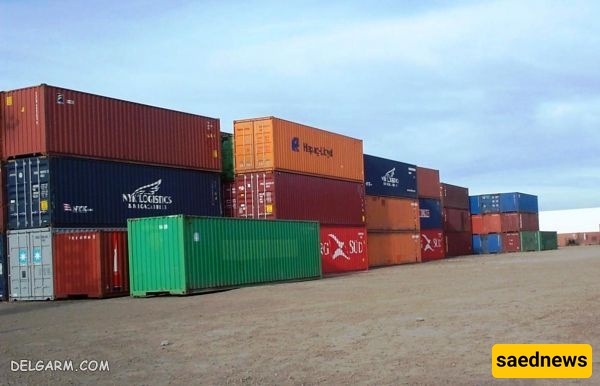
The development of modern container transportation dates back to the 1950s and is closely associated with American businessman and trucking entrepreneur Malcom McLean.
After observing the delays, costs, and difficulties involved in loading cargo onto ships at ports, McLean proposed using standardized containers that could be transferred efficiently between trucks and ships.
He eventually equipped a steamship with a system designed for handling containers. After the concept proved successful, he expanded his operations and acquired shipping companies.
The idea soon spread internationally. During the 1960s, containerization became an increasingly established part of global transportation, and shipping lines began adopting standardized containers for international trade and exports.