SAEDNEWS: After more than 25 years of research, the UK has performed its first uterus transplant on a woman born without a healthy womb. The new transplant allows her the possibility of pregnancy and carrying a child.
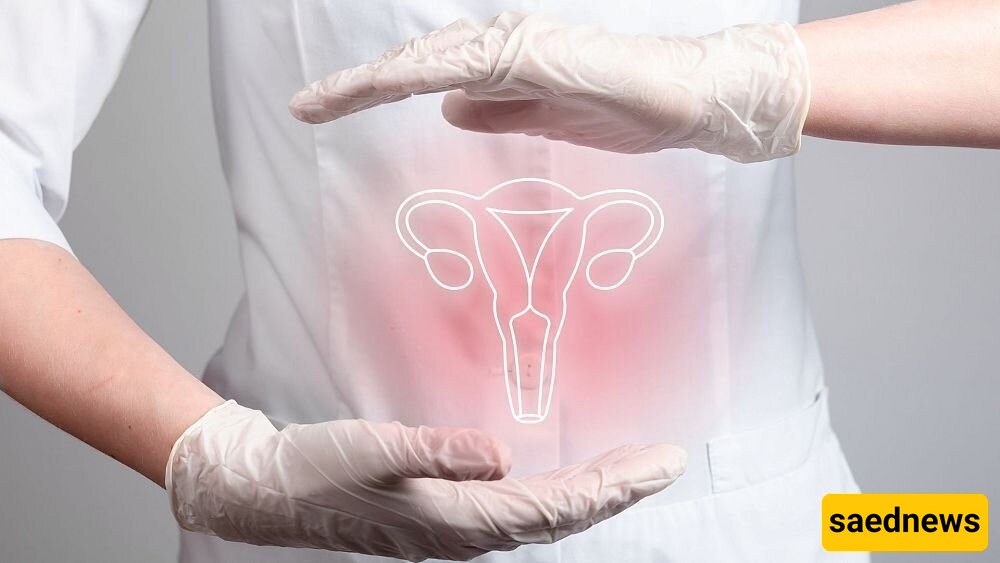
According to Saed News, citing Euronews, the United Kingdom has performed its first uterus transplant on a woman born without a healthy uterus, following more than 25 years of research. The transplant provides her with the ability to become pregnant and carry a child.
Results of the transplant, published in the BJOG: An International Journal of Obstetrics & Gynaecology, show that both the recipient and the donor—who are sisters—have recovered well. The procedure was part of the UK’s living donor program, financially supported by the UK’s Uterus Transplant Charity.
The surgical team was led by experts from Imperial College Healthcare NHS Trust and Oxford University Hospitals under the supervision of the National Health Service (NHS).
Both the donor and recipient surgeries were performed consecutively at the Oxford Transplant Centre at OUH’s Churchill Hospital and lasted approximately 18 hours.
If all goes well, the recipient is expected to receive an embryo transfer later this year at a fertility clinic in Leicester, London. Should pregnancy occur, she will be monitored at a specialized prenatal clinic.
While this is the first transplant of its kind in the UK, more than 100 uterus transplants have been performed worldwide, resulting in 50 births. The first successful procedure took place in 2013 in Gothenburg, Sweden.
Over 25 years of research in the UK has also led to the development of other surgical methods, such as the abdominal radical trachelectomy, which preserves fertility for thousands of women diagnosed with early-stage cervical cancer. Another modified procedure, known as the Strassman operation, is used to preserve fertility in women with tumors in the uterine or placental region.
In the UK, approximately one in every 5,000 women is born without a uterus and cannot conceive or carry a child. Many other women lose their uterus due to cancer or conditions such as endometriosis.
The groundbreaking transplant was performed by Professor Richard Smith and Ms. Isabel Kiroga.