SAEDNEWS: Iranian Deputy Foreign Minister Majid Takht Ravanchi stated that Tehran is prepared to reach a nuclear agreement with the United States “as soon as possible,” while cautioning that any military action against Iran would prompt a response targeting U.S. assets in the region.
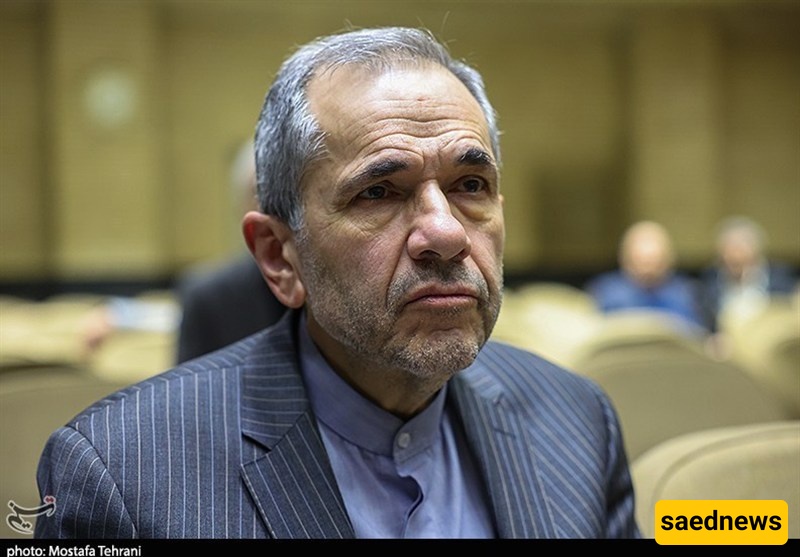
According to SAEDNEWS, In an interview with National Public Radio (NPR) ahead of a new round of negotiations in Geneva, Majid Takht Ravanchi, Iran’s vice foreign minister, emphasized that the sole subject of the upcoming talks is Iran’s nuclear program. He ruled out discussions on other issues such as missiles.
He expressed hope that diplomacy would prevail, dismissed reports of continued security crackdowns in Iran as “lies,” and warned that while Tehran prefers a peaceful path, it would respond in line with its defensive planning if attacked.
Full Interview:
HOST: The United States is preparing for another round of talks with Iran. The U.S. has also positioned what President Trump has called an armada in the region, while Iran warns of an unpredictable response to any attack. We reached Majid Takht Ravanchi, Iran's vice foreign minister, who previously served as Iran’s ambassador to the UN in New York. He is now the number two figure on the Iranian negotiating team heading to Geneva. Vice Minister, welcome.
TAKHT RAVANCHI: Good morning, Steve.
HOST: Do you expect to meet face-to-face with the Americans?
TAKHT RAVANCHI: Usually we start with indirect talks through the foreign minister of Oman. Last time in Geneva, we had a brief opportunity to shake hands—a few minutes of direct encounter.
HOST: The foreign minister of Oman mentioned a meeting this Thursday to “go the extra mile towards finalizing the deal,” suggesting progress. Are you close to an agreement?
TAKHT RAVANCHI: We are ready to reach an agreement as soon as possible. We will enter the negotiating room in Geneva with sincerity and goodwill, hoping this is reciprocated by the Americans. With political will on all sides, I believe a deal can be achieved quickly.
HOST: Reports suggest Iran is revising a proposal for the U.S. Does it address anything beyond the nuclear program?
TAKHT RAVANCHI: No. The subject of the negotiations is the nuclear issue, agreed by all parties.
HOST: So discussions of missiles or other assets are off the table?
TAKHT RAVANCHI: Correct. The sole topic for the upcoming Geneva meeting is the nuclear issue.
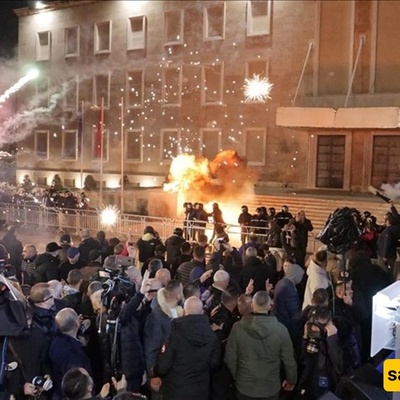
HOST: Regarding the aftermath of January’s protests, a correspondent spoke to someone claiming security forces were targeting students. She asked to remain anonymous. Here’s a brief excerpt:
UNIDENTIFIED PERSON (through interpreter): Female inspectors will visit our school to check for pellet wounds or protest-related scars and confiscate phones to examine social media.
HOST: Is that accurate? Are security forces still searching for protesters?
TAKHT RAVANCHI: No. These are lies meant to agitate the situation. Schools are open, children attend freely, and nothing of that nature is happening in Iran.
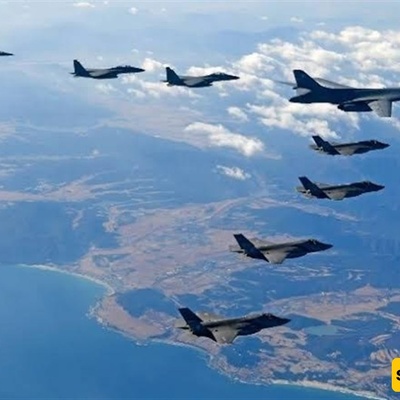
HOST: The U.S. has deployed substantial military forces in the region. How would Iran respond to a limited U.S. attack?
TAKHT RAVANCHI: We hope that won’t happen, because a single strike cannot contain a war. If Iran is attacked, we will respond according to our defensive planning. Everyone should know that starting a war is one thing; ending it is another. Any aggression against Iran would affect the whole region.
HOST: Would Iran strike neighboring countries like the UAE or Saudi Arabia?
TAKHT RAVANCHI: No. We have good relations with our neighbors. By “the whole region will suffer,” I mean if the U.S. attacks Iran, we will respond to U.S. assets in the region. But our clear preference is peace. The next Geneva meeting is crucial. Diplomacy benefits everyone; there is no military solution to Iran’s nuclear dossier. Instead of sending troops or armadas to intimidate Iran, it is better to focus on diplomacy.
HOST: Majid Takht Ravanchi is Iran’s vice foreign minister and will take part in the Geneva talks this week. Thank you very much.
TAKHT RAVANCHI: Thank you.