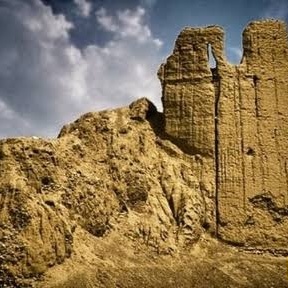
SAEDNEWS: Gari Kooh Tower is one of the lesser-known historical monuments in Hormozgan Province, located in Bastak County, in the Kukherd District, near the village of Gari Kooh. Situated on elevated terrain, the tower historically served as a strategic observation and defensive post.
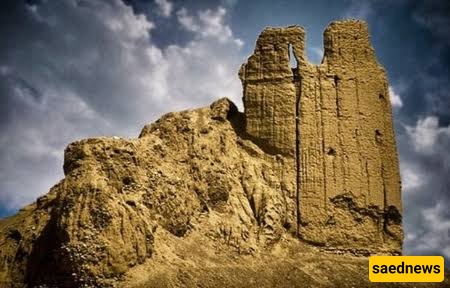
According to Saednews, Gari Kooh Tower is one of the lesser-known historical monuments in Hormozgan Province, located in Bastak County, southern Iran. Many tourists and cultural heritage enthusiasts who hear about this monument ask: Where is Gari Kooh Tower, and what is its historical background? In short, the tower is situated in the Kukherd District of Bastak County, near the village of Gari Kooh. This is a historically significant area containing numerous archaeological remains and monuments from ancient and Islamic periods.
This article explores the location of Gari Kooh Tower, its geographical setting, access routes, historical background, architectural features, defensive functions, and essential visitor information. If you are planning a trip to Hormozgan and wish to discover the historical attractions of Bastak, keep reading.
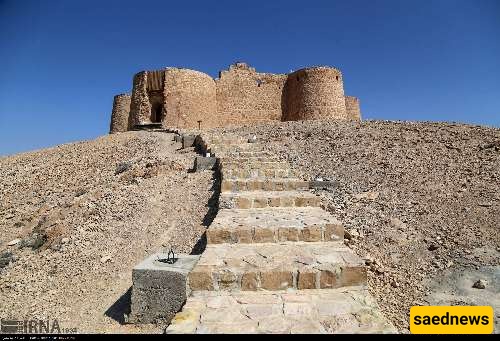
Gari Kooh Tower is located in Hormozgan Province, Bastak County, Kukherd District, near Gari Kooh Village. The tower stands on elevated ground and surrounding hills, making it visible from a considerable distance. Its strategic position provides a wide view of the surrounding plains and regional routes. This geographical advantage suggests that the structure once served as a watchtower and defensive installation.
Kukherd is one of the historically significant districts of Bastak County. Its castles, towers, traditional water reservoirs, and historic village architecture make it an important area for cultural heritage. Gari Kooh Tower is part of this historical landscape, situated amid the region's mountainous scenery.
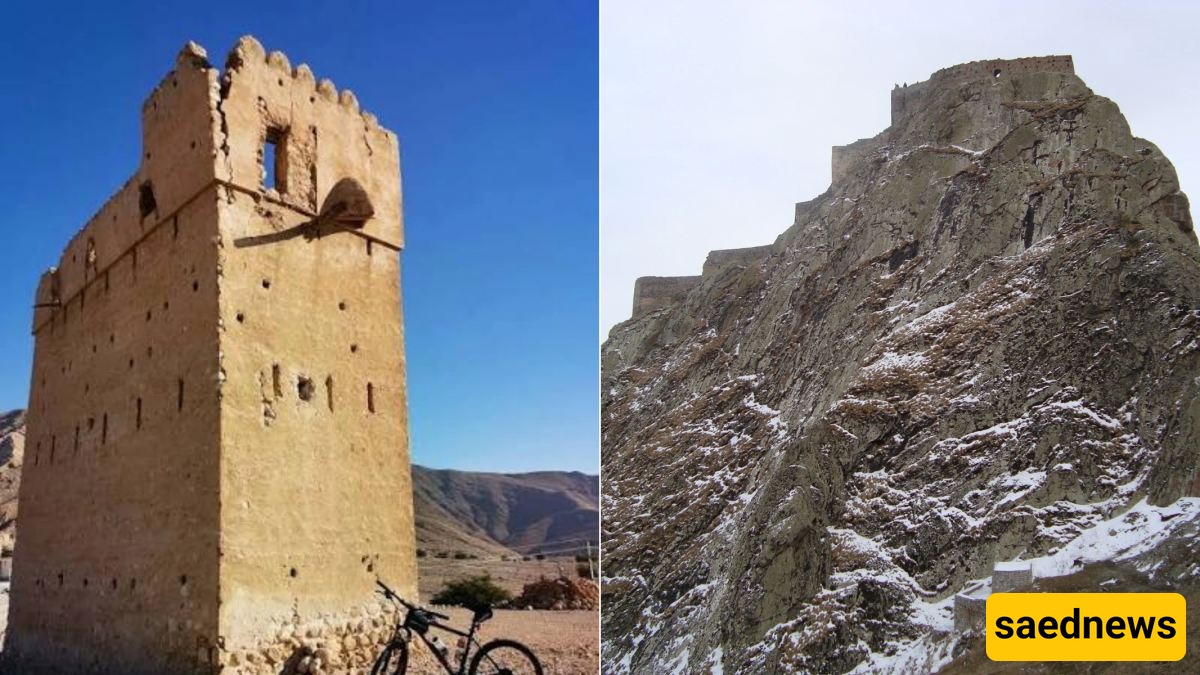
Bastak County lies in western Hormozgan Province, bordering Fars Province. With its relatively high mountains, numerous valleys, and historic villages, it is considered one of the naturally attractive areas of Hormozgan. Kukherd District is located a relatively short distance from Bastak city and is regarded as one of the oldest historical areas in the county.
Gari Kooh Tower is situated within this district, close to Gari Kooh Village. The name "Gari Kooh" refers to a mountainous or elevated landscape, reflecting the tower's natural surroundings. The structure was built on high ground so that guards could monitor the surrounding area. This strategic approach was common in the construction of defensive towers throughout Iran.
To reach Gari Kooh Tower, visitors generally need to travel from Bastak city toward Kukherd District. After following the main road and entering the rural routes, the final approach to the tower is usually made via local roads, with directions from residents.
Since the tower is not among the region's most frequently visited tourist attractions, it is advisable to check the route with local residents or the Bastak Cultural Heritage Office before setting out.
Visitors are encouraged to use a suitable vehicle and prepare adequately for the journey. Mountainous and rural roads, the distance from service facilities, and the limited accommodation and dining options near the tower should all be considered when planning a visit. Carrying sufficient drinking water, snacks, appropriate clothing, and a fully charged mobile phone is also essential.
Kukherd is considered one of the oldest historical areas in Hormozgan Province. Archaeological evidence and surviving historical structures indicate that human settlement in this region dates back to ancient times, particularly the Sassanian period, and continued throughout the Islamic era.
The presence of castles, towers, and traditional water structures highlights the area's strategic importance in the past.
Gari Kooh Tower in Bastak, Hormozgan Province
Although extensive documented information about the exact construction date of Gari Kooh Tower is unavailable, similar towers in Hormozgan and southern Fars are generally associated with later Islamic periods and, in some cases, the Sassanian era.
These structures were commonly built to protect villages, monitor important transportation routes, and transmit warnings quickly during emergencies.
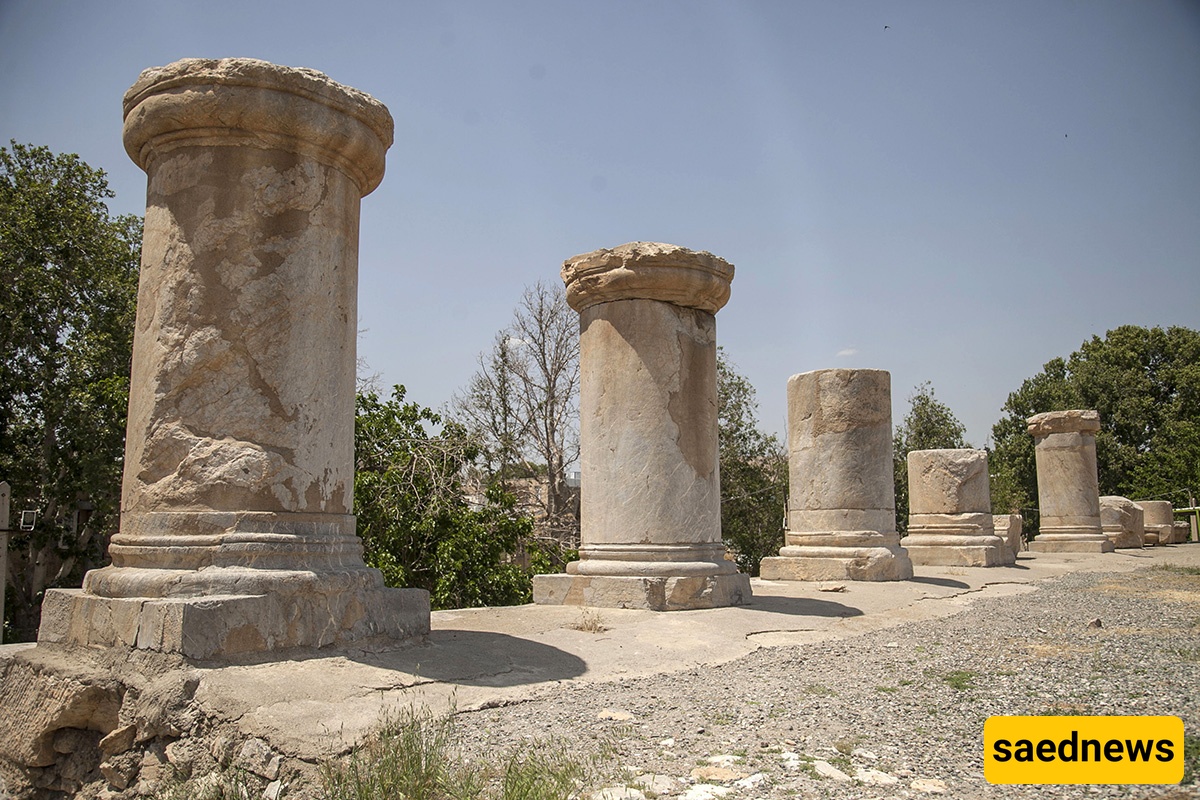
One of the most important historical functions of Gari Kooh Tower was surveillance and defense. Its elevated position overlooking the surrounding plains and routes allowed guards to monitor movement and identify potential threats.
In the past, guards stationed at the top of the tower could observe the surrounding landscape and alert residents when danger was detected. Warning signals might have included lighting fires, producing smoke, or making loud noises.
Similar towers played an important role in the traditional defensive systems of southern Iran. They often formed part of a wider network of observation structures that enabled communication between villages and major fortifications.
Therefore, Gari Kooh Tower should be understood within the broader context of the traditional security and defense network of Kukherd and Bastak.
Historical towers in southern Iran were generally constructed using locally available materials, including stone, gypsum, traditional mortar known as Sarooj, and sometimes mudbrick. The choice of materials depended on the local climate and available natural resources.
In the mountainous areas of Hormozgan, stone combined with mud mortar or Sarooj was commonly used. As a traditional structure of the region, Gari Kooh Tower was likely built using locally sourced materials.
In terms of design, traditional watchtowers often featured circular or polygonal floor plans and multiple levels. The upper floor was generally used for surveillance, while lower levels could serve as storage areas, resting spaces for guards, or defensive positions.
Small openings in the tower walls could provide visibility and allow defenders to observe or respond to threats from inside the structure. However, determining the exact architectural design of Gari Kooh Tower requires detailed field investigations and specialist studies.
Today, Gari Kooh Tower is a historical structure that deserves greater attention and protection. The passage of time, weather conditions, natural erosion, and occasional human interference have contributed to the deterioration of historical buildings.
Official heritage registration, archaeological research, and restoration projects could play an important role in preserving the tower for future generations.
Protecting Gari Kooh Tower is not solely the responsibility of government institutions. Local residents and visitors also have an important role to play.
Visitors should avoid damaging the structure, writing on its walls, lighting fires near the monument, or removing stones and historical fragments.
A visit to Gari Kooh Tower also provides an opportunity to explore other historical and natural attractions in the surrounding area.
Nearby points of interest include:
Historic castles of Kukherd
Traditional water reservoirs
Old village neighborhoods and traditional architecture
Kukherd Grand Mosque
The mountainous landscapes surrounding Bastak
The natural environment around Bastak, with its mountains, valleys, and palm groves, is also appealing to visitors interested in rural tourism and nature exploration.
The best time to visit this region is during the cooler months of the year. Summers in Hormozgan are extremely hot and humid, making visits to historical sites during the middle of the day particularly challenging.
Check the route and road conditions with local residents or the Bastak Cultural Heritage Office before travelling.
Use a suitable vehicle for mountainous and rural roads.
Bring enough drinking water, snacks, and appropriate clothing.
Avoid damaging the monument or removing historical materials.
Treat residents of Gari Kooh Village respectfully and respect their privacy.
Arrange permission in advance if professional photography or research activities require it.
Gari Kooh Tower is located in Kukherd District, Bastak County, Hormozgan Province, near Gari Kooh Village. This historical structure is believed to have served as a watchtower and defensive installation. Its elevated position would have allowed guards to monitor the surrounding landscape, protect nearby settlements, and communicate warnings when necessary.
Although reliable documentation about its exact construction date remains limited, its geographical location, architectural characteristics, and the historical background of Kukherd highlight its cultural and historical significance.
Understanding where Gari Kooh Tower is located is only the beginning of discovering this lesser-known monument. A deeper appreciation of its significance requires on-site exploration, consultation of local historical sources, and greater awareness of the cultural heritage of the region.
A journey to Bastak and Kukherd offers an opportunity to discover a fascinating but relatively overlooked chapter of southern Iran's history and to appreciate the importance of preserving these historical treasures for future generations.
Discover Gari Kooh Tower: Exploring a Forgotten Historical Landmark in Bastak, Iran
Gari Kooh Tower in Hormozgan: History, Location, Architecture, and Visitor Guide
Exploring Gari Kooh Tower: A Hidden Heritage Site in Southern Iran
The History and Heritage of Gari Kooh Tower in Bastak, Hormozgan
Gari Kooh Tower: Uncovering the Historical Watchtower of Kukherd, Iran