SAEDNEWS: Discover the Ancient and Mysterious City of Petra in Jordan
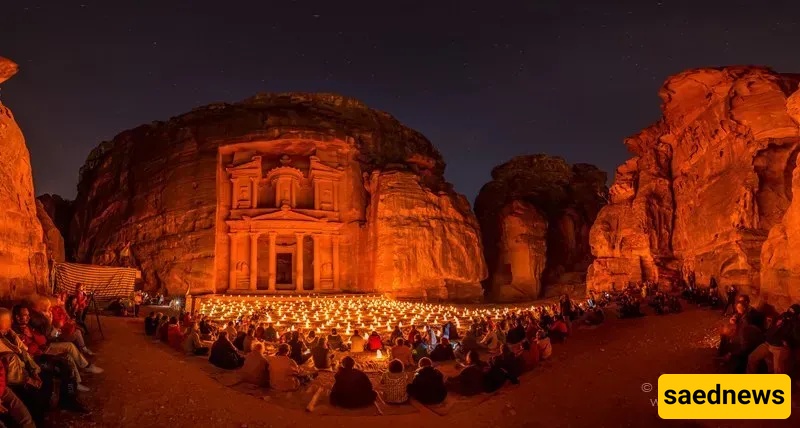
According to Saednews, Petra (Arabic: Al-Batra) is a historic city in the Hashemite Kingdom of Jordan. It was once the capital of the ancient Nabataean Kingdom. The Nabataeans were an Arab people from the northern Arabian Peninsula and may have been among the ancient peoples most closely connected to the Arabs of the Hejaz region. The architecture of Petra is so remarkable and mysterious that some people believe the city was built by extraterrestrial beings or jinn.
Petra lies approximately 262 kilometers south of Amman, the capital of Jordan, west of the main route connecting Amman with the port city of Aqaba.
In 2007, Petra was recognized as one of the New Seven Wonders of the World.
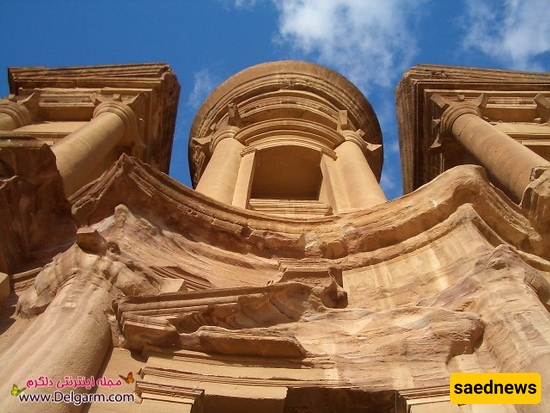
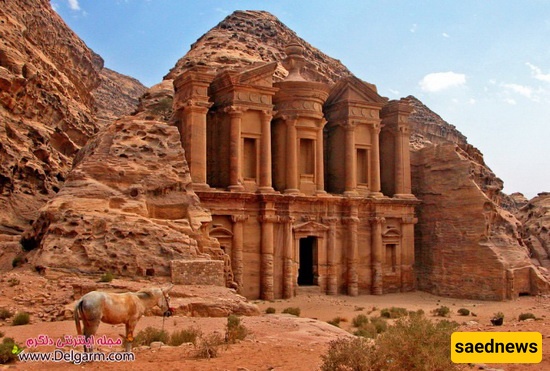
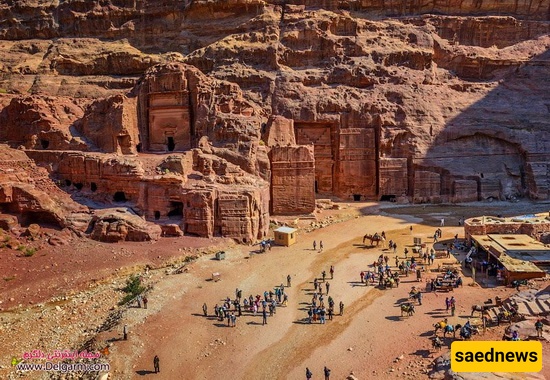
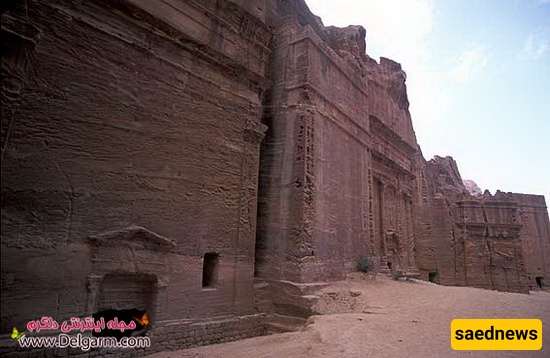
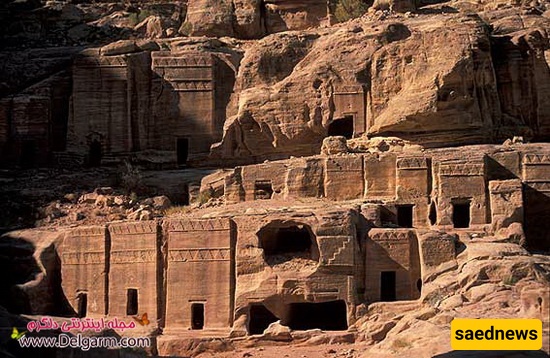
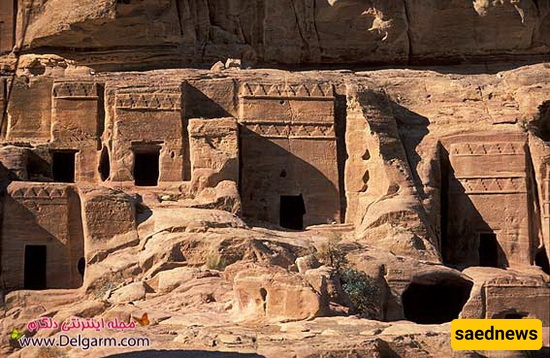
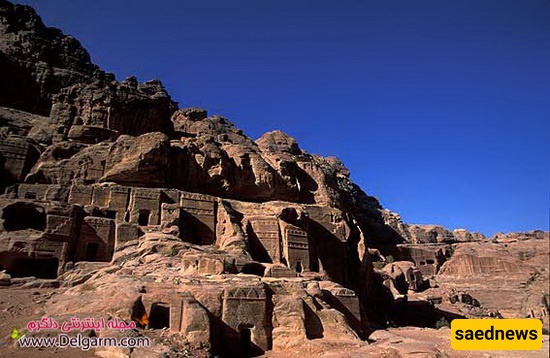
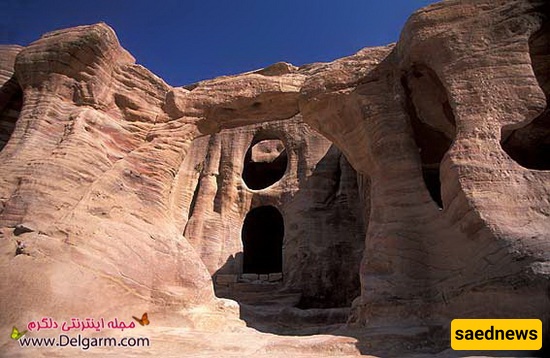
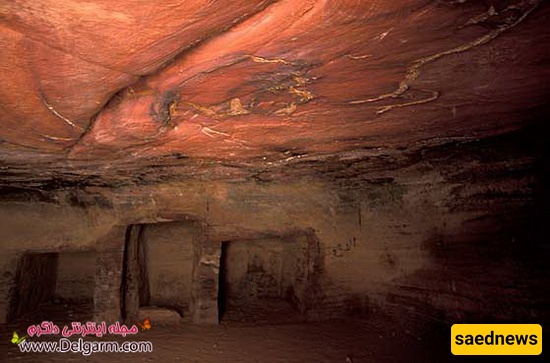
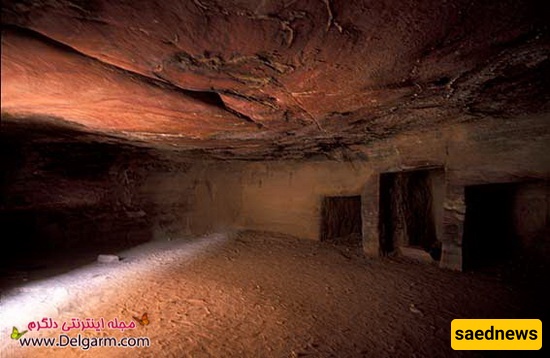
Petra is an extraordinary city carved almost entirely into mountains and rock formations of rose-red and pink sandstone. Its distinctive color inspired its reputation as one of the world's most beautiful ancient cities.
The name Petra comes from the Greek word for “rock” or “stone,” reflecting the city's remarkable rock-cut architecture. Because of its reddish appearance, Petra is also known in Arabic as Al-Madina Al-Wardiyya, meaning “The Rose City.”
In 1978, a book discussing the history and origins of the ancient city was published under the title The Secrets of the Rose City (Asrar Al-Madina Al-Wardiyya).
Petra was also associated with the ancient name Sela, meaning “rock.” The city flourished during the first century BCE under Nabataean King Aretas III.
The Nabataean Kingdom extended from the area around Ashkelon in western Palestine toward the eastern Syrian Desert.
Petra served as a vital link between Mesopotamia, the Levant, the Arabian Peninsula, and Egypt. As the Nabataean capital, it controlled important regional trade routes and became a prosperous commercial center.
Caravans carrying goods from southern Arabia traveled through Petra on their way to Gaza, Ashkelon, Tyre, and Damascus. This strategic location helped the city grow into a wealthy and influential trading hub.
The Nabataeans also played an important role in the development of the script that eventually contributed to the evolution of the Arabic alphabet.
The traditional account places the end of Nabataean independence in 106 CE, when the Roman Empire annexed the kingdom and incorporated its territory into the Roman province of Arabia Petraea.
Roman rule gradually transformed Petra's political and economic position, although the city continued to be inhabited for centuries.
Arab Muslim forces conquered much of the region from Byzantine control during the seventh century CE. However, Petra's subsequent history was shaped by changing trade routes, political developments, and natural disasters.
Earthquakes, particularly those recorded in the region during the eighth century, damaged parts of the city and contributed to its gradual decline. Over time, many inhabitants moved to surrounding settlements.
Today, the remains of Petra stand as an extraordinary testament to Nabataean civilization and are among Jordan's most important archaeological and tourist attractions.
For centuries, Petra remained largely unknown to the wider Western world, although local communities continued to know of its existence.
In 1812, Swiss explorer Johann Ludwig Burckhardt traveled through the region disguised as an Arab traveler. Guided by local knowledge, he reached Petra and introduced detailed accounts of the ancient city to European audiences.
His journey revealed a spectacular landscape of sandstone cliffs, monumental facades, and ancient structures that had captured the imagination of later travelers and archaeologists.
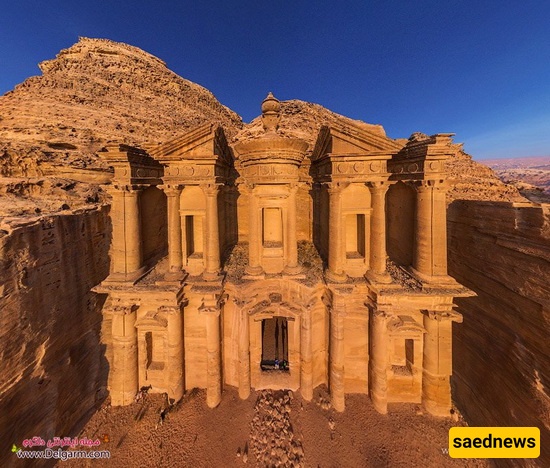
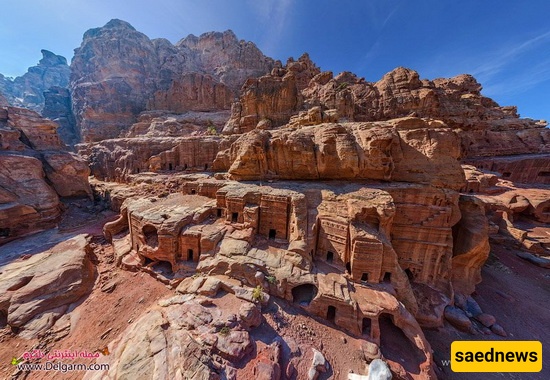
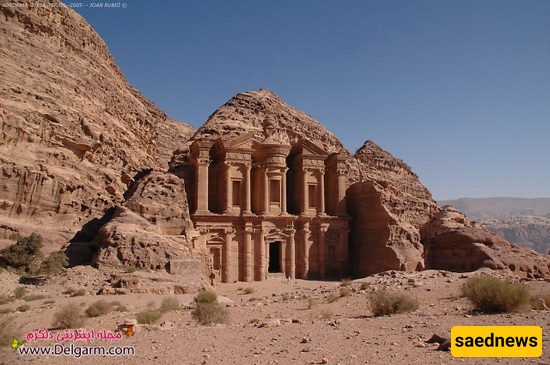
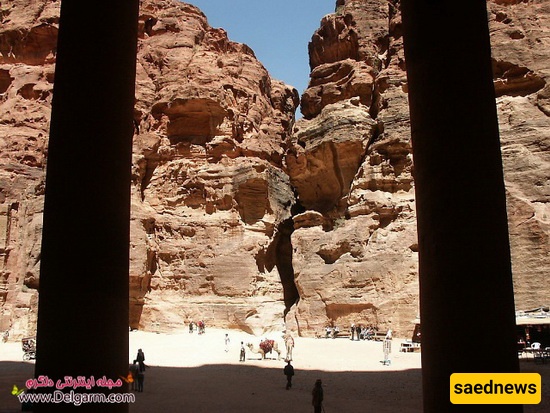
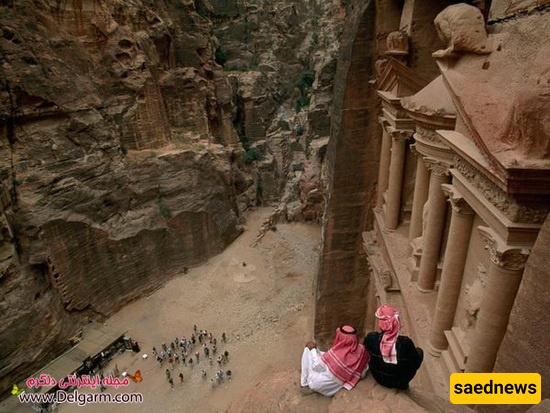
Petra is famous for its dramatic valleys, narrow passages, towering cliffs, and monumental buildings carved directly into sandstone.
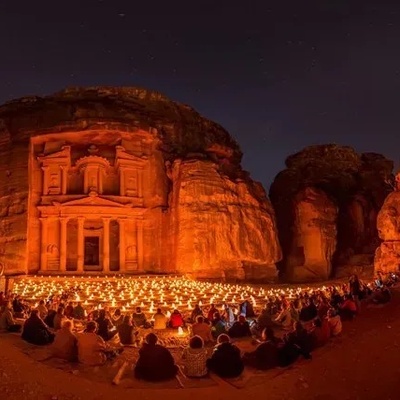
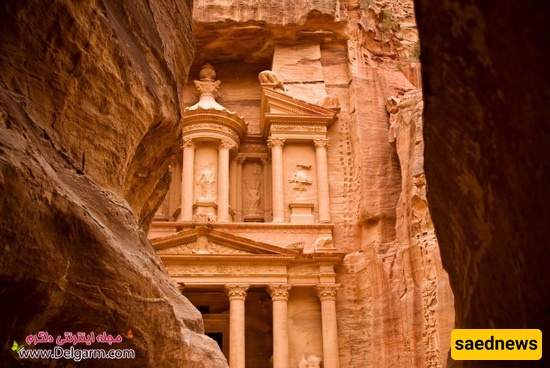
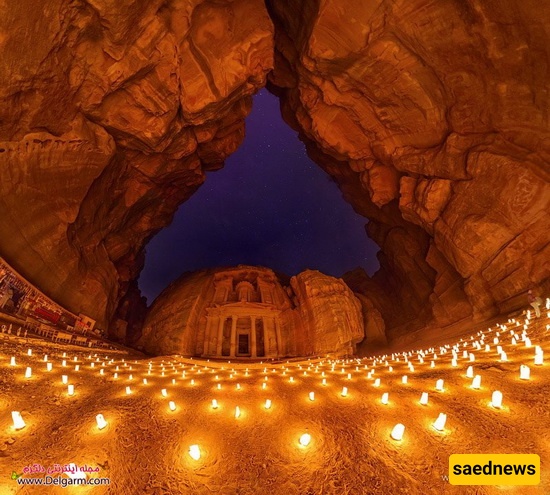
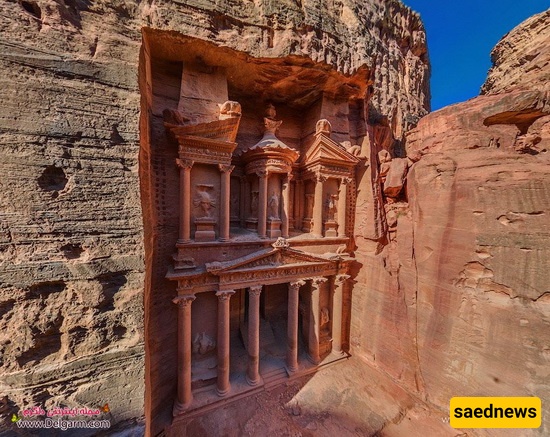
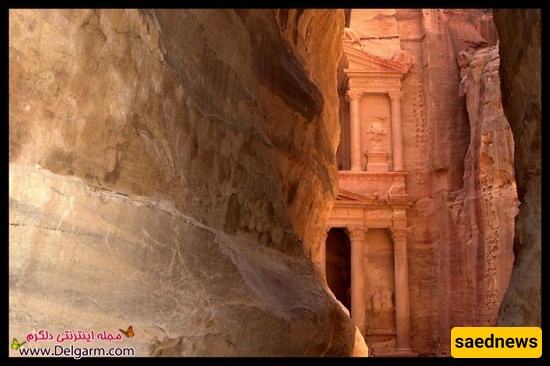
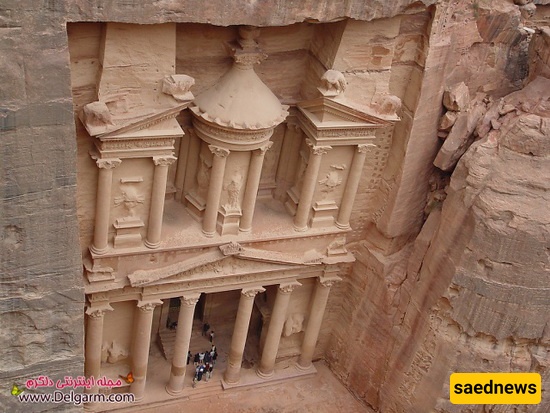
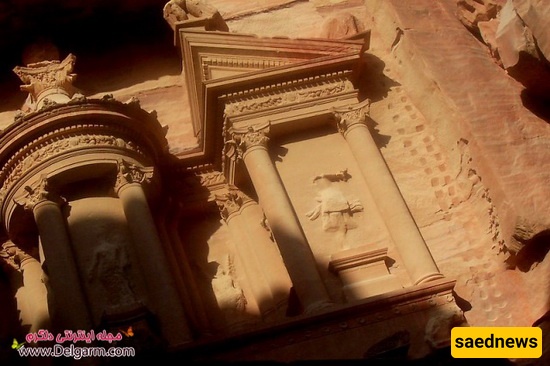
One of its most celebrated entrances is the Siq, a narrow gorge approximately 1.2 kilometers long, with steep rock walls rising on either side. The passage leads visitors toward Al-Khazneh, commonly known as the Treasury, one of Petra's most iconic monuments.
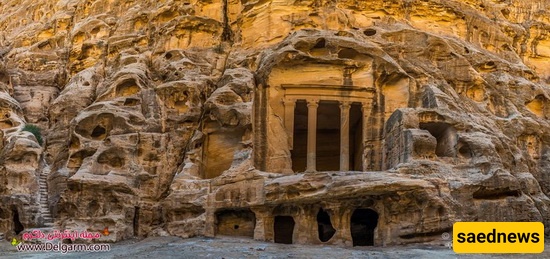
Across the archaeological site, visitors can discover hundreds of rock-cut structures, including:
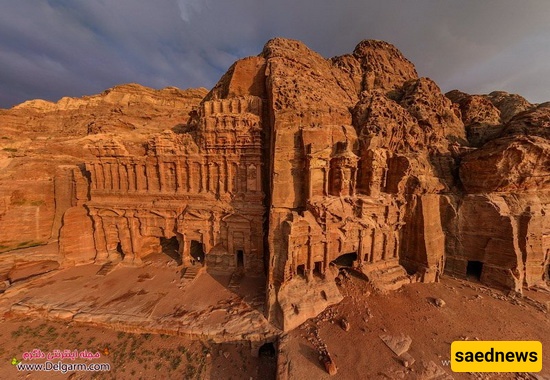
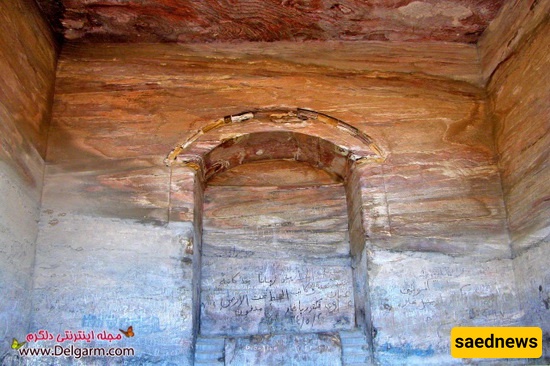
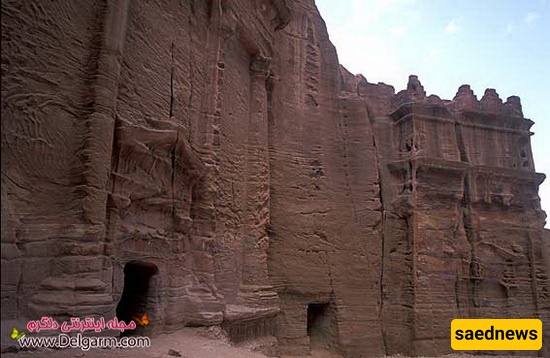
Monumental tombs and burial chambers
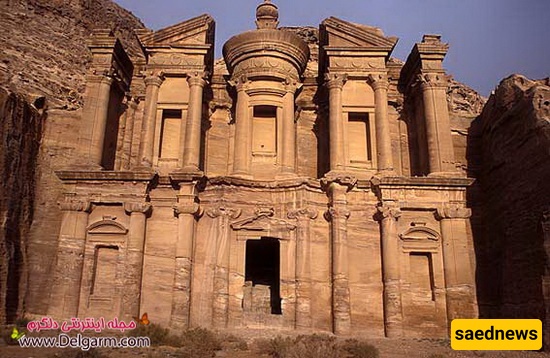
Temples and religious sanctuaries
Ancient halls and ceremonial spaces
Elaborately carved sandstone facades
An amphitheater with a capacity of several thousand spectators
The sandstone changes color throughout the day. At sunrise and sunset, the rocks can appear in vivid shades of red, pink, orange, and purple, creating spectacular scenery.
On Mount Hor, traditionally identified with Jabal Harun, stands a shrine associated with Aaron, the brother of Moses in biblical tradition.
Petra is also part of a wider region known for its natural beauty, including the desert landscapes of Wadi Rum, the beaches of Aqaba on the Red Sea, and the Dead Sea.
Some historical narratives claim that Petra was controlled by ancient Persian rulers.
According to one account, Cambyses II, the son of Cyrus the Great, passed through the region during his campaign against Egypt in the sixth century BCE. Other accounts suggest that Persian rulers later controlled Petra following military campaigns against the Roman Empire.
However, these claims should be treated cautiously. The established historical record identifies Petra primarily as the capital of the Nabataean Kingdom before its annexation by Rome in 106 CE. There is no strong historical evidence that Petra remained under sustained Persian control for an extended period.
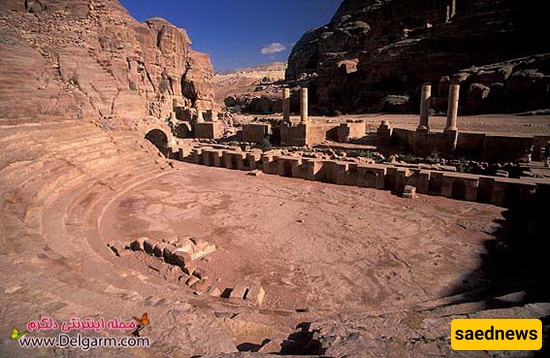
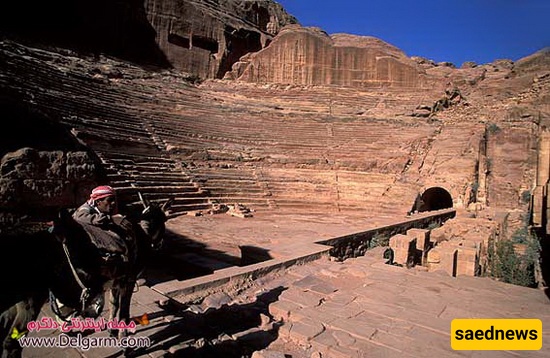
Petra's extraordinary architecture has inspired numerous legends about its origins.
Some local stories suggest that supernatural beings, including jinn, helped construct the city's monumental buildings. Others claim that extraterrestrial visitors created the remarkable structures because ancient humans supposedly lacked the technology needed to build them.
One structure frequently mentioned in these stories is Qasr al-Bint, an important freestanding temple within Petra. Some local legends suggest that it could not have been constructed by ordinary human hands.
Visitors have also reported hearing unusual sounds in the surrounding mountains and valleys. Such stories have contributed to Petra's reputation as a mysterious place associated with spirits and supernatural activity.
In local folklore, Petra is sometimes described as a city inhabited by jinn, and stories about their presence have become part of its popular mythology. Some accounts claim that people avoid visiting certain areas at night because of these beliefs.
Nevertheless, archaeological research provides substantial evidence that Petra was built by the Nabataeans using sophisticated engineering, architectural planning, water-management systems, and skilled stone-carving techniques. The supernatural explanations remain legends rather than established historical facts.
Petra is one of the most remarkable archaeological sites in the Middle East. Its monumental rock-cut architecture, strategic trading history, elaborate water systems, and striking desert landscapes offer a glimpse into the achievements of the ancient Nabataeans.
Recognized as a UNESCO World Heritage Site in 1985 and selected as one of the New Seven Wonders of the World in 2007, Petra continues to attract visitors, historians, and archaeologists from around the globe.
Its combination of historical significance, natural beauty, and enduring legends makes Petra one of the most fascinating ancient cities in the world.