SAEDNEWS: Attractions in cities known for crime, crime-related attractions in cities, criminal city attractions, attractions in criminal cities around the world, crime-related attractions worldwide.
According to Saednews, Many cities around the world have been associated with disturbing images, alarming news reports, and violent incidents, including Guatemala City and Johor Bahru. Some struggle with high crime rates, others are heavily industrialized and lack character, while some have experienced severe urban decline. Yet, despite their challenges, many of these cities still offer visitors attractions worth discovering. Here are ten cities that may not be as frightening as you might imagine.
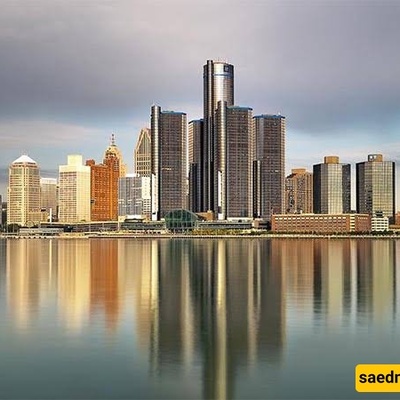
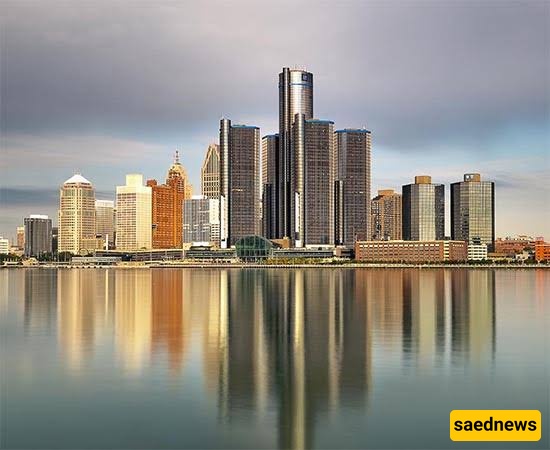
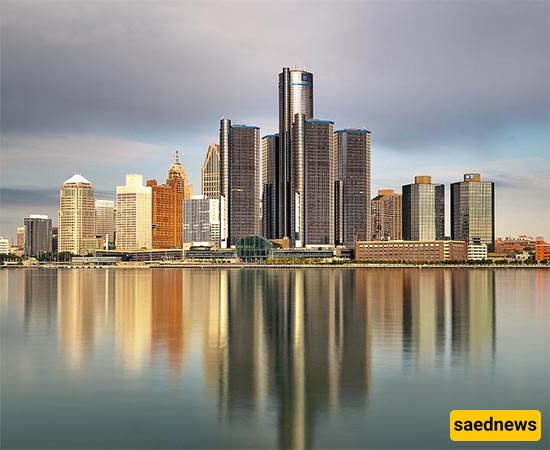
Detroit has earned a reputation as a city that has taken its fair share of criticism, but it has also made significant contributions to music and the automotive industry. The city is particularly appealing to music lovers and car enthusiasts. The Motown Historical Museum is one of its most popular attractions, while the Henry Ford Museum offers visitors a fascinating look at automotive history, including the legacy of the Model T.
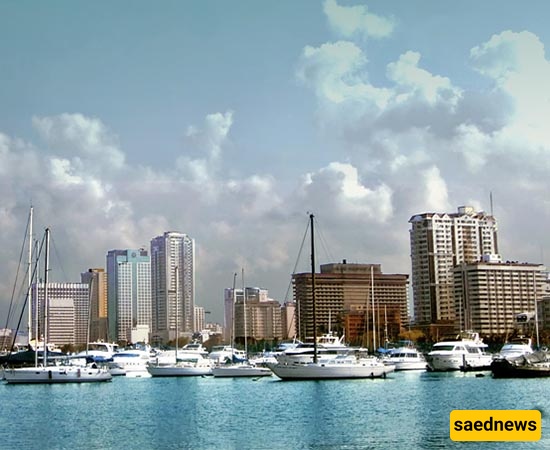
Manila is a densely populated city, and even Filipinos acknowledge its congestion and chaotic atmosphere. However, it has plenty of unique experiences to offer, from lively karaoke bars to colorful jeepneys, one of the Philippines' most popular forms of public transportation.
There are three attractions visitors should not miss. First is Intramuros, the historic Spanish quarter featuring beautiful churches and architectural landmarks. Second is the Ayala Museum, which showcases important aspects of Philippine history. Finally, the Manila American Cemetery and Memorial is a significant historical site and one of the largest American military cemeteries outside the United States.
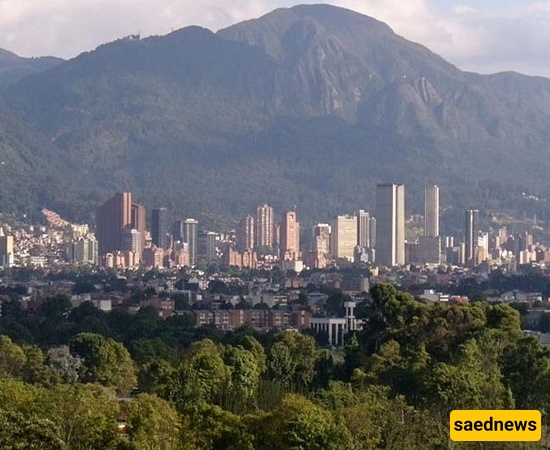
With its beautiful natural surroundings, impressive mountains, and striking architecture, Bogotá could easily rank among the world's most attractive tourist destinations. However, the city has long struggled with crime, kidnapping, and drug trafficking. Efforts to address these problems have brought improvements, offering hope for a brighter future for Colombia's capital.
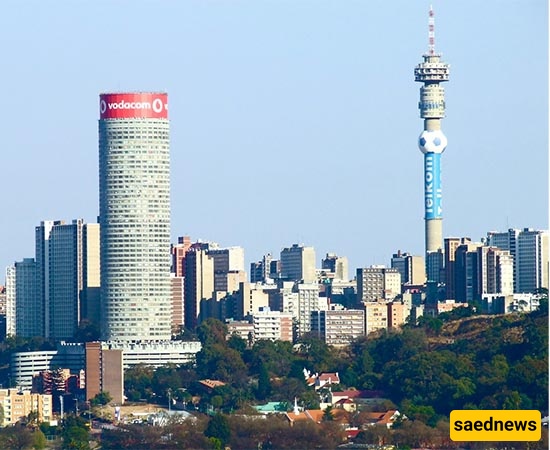
Johannesburg's bus stations have historically been known as hotspots for theft and pickpocketing. Although crime prevention efforts have improved conditions in recent years, visitors should still remain vigilant in crowded public areas.
One of the city's most significant attractions is Constitution Hill, a former prison complex where Nelson Mandela and Mahatma Gandhi were once detained. Today, it offers visitors a powerful insight into South Africa's history. The city's theaters, art centers, and Museum Africa are also worth exploring.
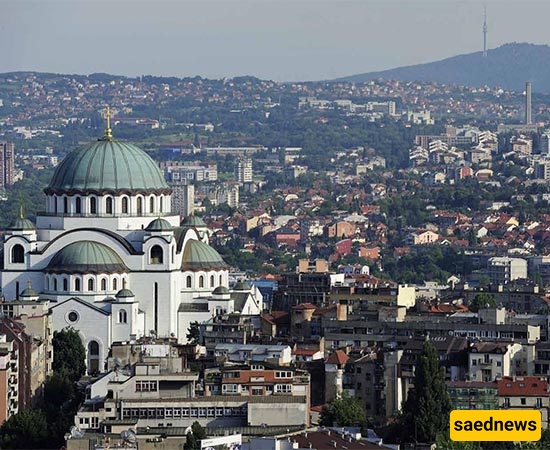
Beyond its vibrant nightlife, impressive landmarks, and diverse cultural attractions, Belgrade has experienced a history of political conflict and security threats. Nevertheless, many Serbians consider it one of Europe's most energetic cities.
Summer is particularly lively, when boats and floating clubs along the Danube and Sava rivers fill the waterfront with music and entertainment.
The Ruhr region, which includes cities such as Dortmund, Bochum, and Gelsenkirchen, is often associated with Germany's heavy industry and its less picturesque urban landscapes.
However, the region's industrial heritage has become an attraction in its own right. One notable example is the 117-meter-high gasometer in Oberhausen, a former industrial structure that has been transformed into an exhibition venue.
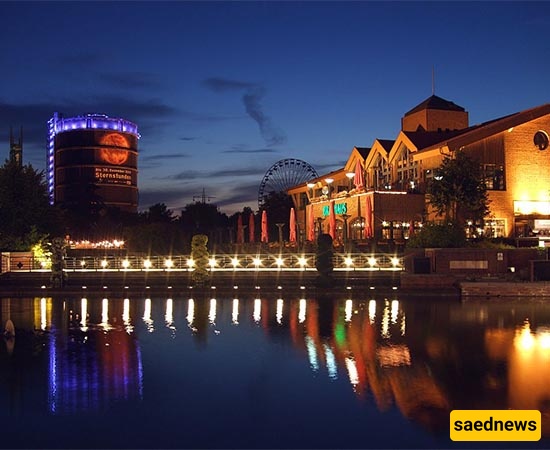
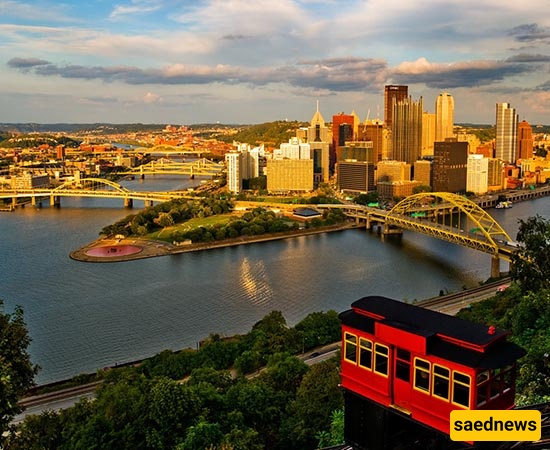
Despite its history of severe air pollution, Pittsburgh remains one of America's most attractive cities. During its industrial heyday, pollution was so intense that visibility could become extremely poor.
Today, the city boasts several world-class attractions, including the Andy Warhol Museum, one of the largest museums in the world dedicated to a single artist, and the Cathedral of Learning, a 163-meter-tall landmark located at the University of Pittsburgh.
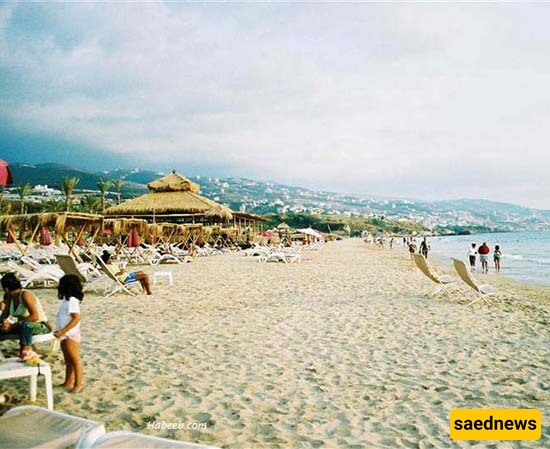
For many years, the phrase “turning into Beirut” was used to describe places descending into chaos and destruction. Once devastated by conflict, Beirut has since developed into one of the Middle East's most culturally diverse urban centers.
Lebanon's rich religious and cultural heritage has helped shape the city's distinctive character. Visitors can explore museums, mosques, Roman baths, and lively beachside nightlife, all within the same vibrant city.
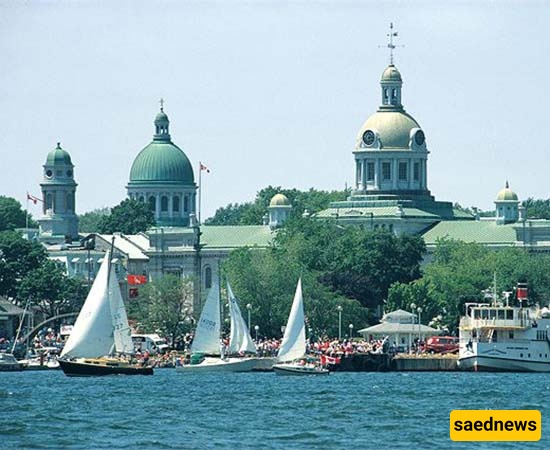
Kingston, Jamaica's largest city and capital, has long struggled with high homicide rates, making public safety a serious concern.
Yet, the city occupies a spectacular setting between a natural harbor and the magnificent Blue Mountains. While many tourists prefer to enjoy the Caribbean coastline in areas perceived as safer, Kingston still offers remarkable historical and cultural attractions. These include Port Royal, once notorious as a pirate stronghold, and Trench Town, a neighborhood closely associated with the development of reggae music.
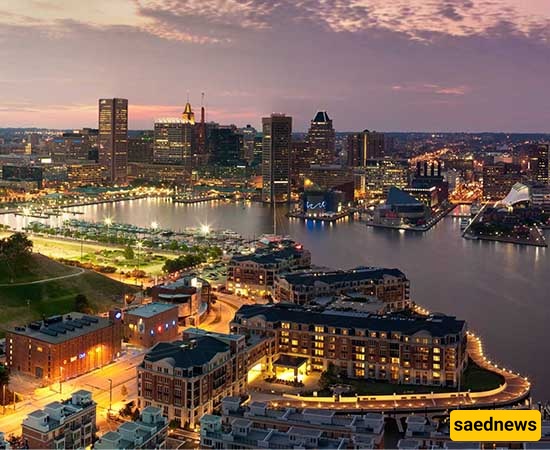
The television series The Wire portrayed Baltimore as a city plagued by violence and crime, creating an image that can make it seem far more dangerous than its entire urban landscape suggests.
Beyond that reputation, Baltimore has a beautiful historic waterfront and a rich maritime heritage. Its major attractions include the National Aquarium, a multilevel facility featuring a wide variety of marine life, and the American Visionary Art Museum, which celebrates imaginative and unconventional works of art.
Discover More: These ten cities demonstrate that a troubled reputation does not tell the whole story. From industrial landmarks and historic neighborhoods to vibrant music scenes and world-class museums, each destination offers something unique to visitors willing to look beyond the headlines.