SAEDNEWS: Street style is a cultural phenomenon and a popular fashion trend among young people worldwide. Originating in the United States during the 1970s, it has evolved into a global cultural movement. This article explores the concept, history, key influences, and evolution of street style.

Streetwear is a cultural phenomenon and a popular fashion movement embraced by young people and fashion enthusiasts around the world. This article explores the concept, history, key influences, and evolution of streetwear while examining its role in modern society and contemporary fashion culture.
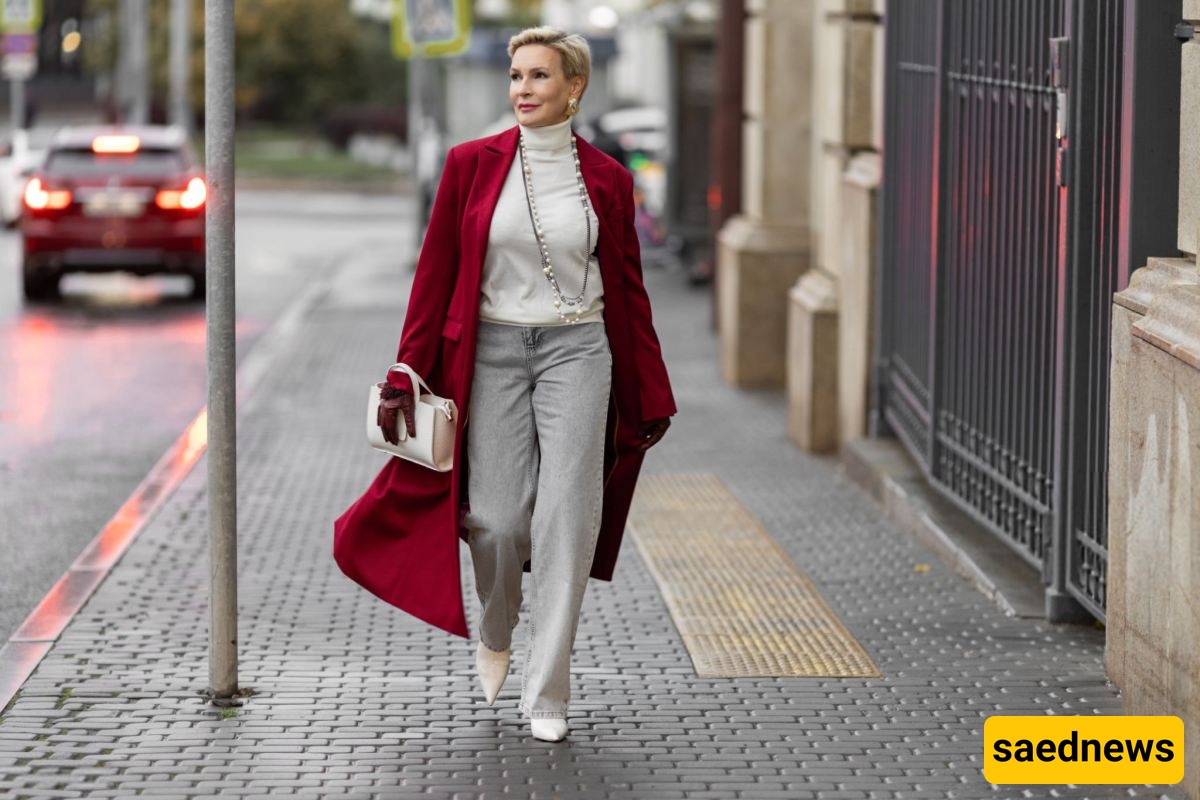
Streetwear is a fashion movement inspired by everyday life and urban environments. It is embraced by individuals who are passionate about fashion and enjoy combining different clothing elements in informal, creative, and personal ways.
Streetwear commonly features comfortable and sporty clothing, sneakers, hats, scarves, oversized garments, denim, T-shirts, and casual sportswear. People who embrace this style often experiment with different outfits and combinations to develop their own distinctive looks.
As an alternative to traditional and formal fashion, streetwear allows individuals, particularly young people, to express their personalities and showcase their creativity through clothing. Closely associated with urban environments, it has become an influential part of global fashion culture.
Streetwear began emerging during the 1970s in urban areas of the United States. It developed as an alternative to conventional fashion, challenging traditional clothing standards and encouraging individuality and self-expression.
Initially influenced by urban communities and everyday street culture, the movement reflected values such as freedom, creativity, and personal identity.
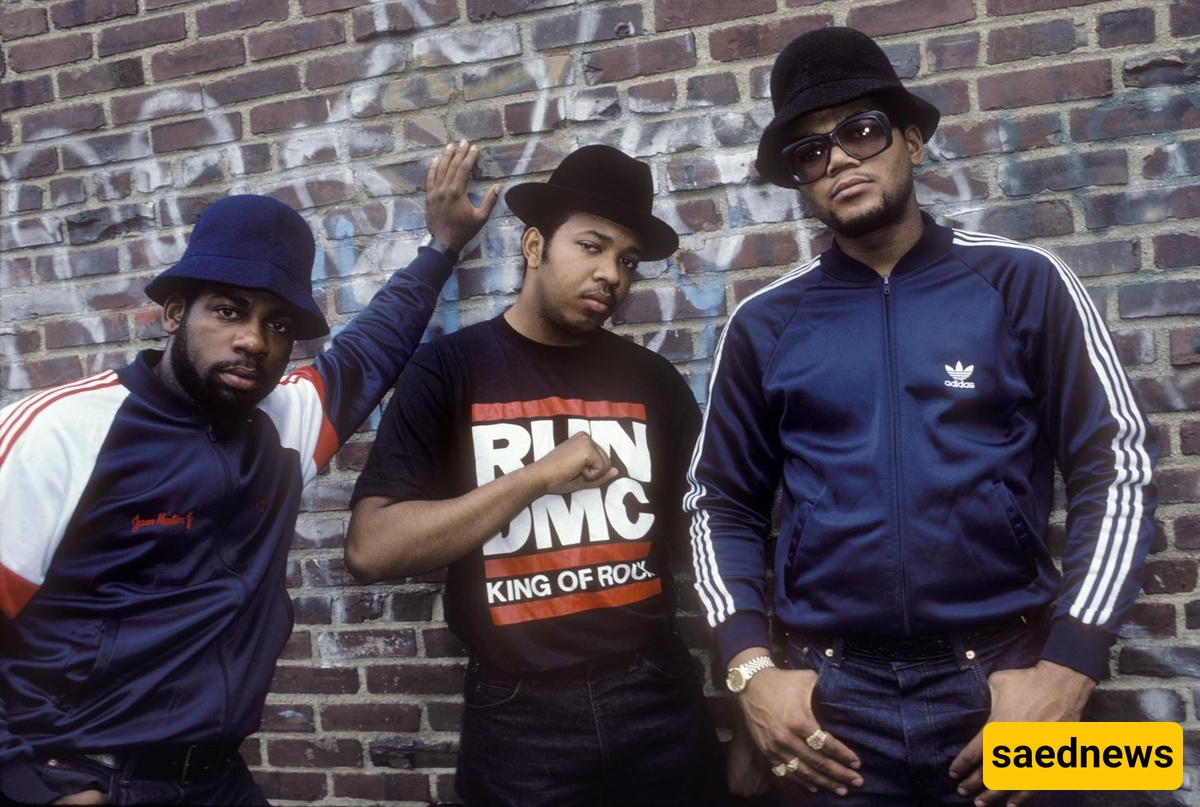
Over the following decades, streetwear developed into a global fashion movement. Its evolution was closely connected to hip-hop music, youth culture, skateboarding, and other urban subcultures, helping it gain popularity across different countries and generations.
1. Hip-Hop Music
Hip-hop music has played a major role in shaping streetwear culture. It provides a platform for young people to express their emotions, beliefs, experiences, and connections to urban life. Hip-hop artists have also influenced clothing trends and popular streetwear aesthetics.
2. Youth Culture
Young people are among the main supporters of streetwear. They use fashion to communicate their identities, express individuality, and reflect their social and cultural perspectives.
3. Urban Lifestyle
Streetwear represents the character and identity of cities around the world. Urban architecture, local communities, street art, and everyday lifestyles all contribute to the development of distinctive street fashion trends.
4. Social Media
The growth of digital technology and social media has made streetwear more accessible worldwide. Platforms such as Instagram, TikTok, and Pinterest allow people to discover international fashion trends, share styling ideas, and explore new creative approaches.
Streetwear has continuously adapted to changing lifestyles and fashion preferences. Several important developments have shaped its modern identity.
Timeless Appeal
Although individual trends change over time, many streetwear elements remain popular across generations. Comfortable clothing, sneakers, denim, and oversized silhouettes continue to be essential features of this fashion movement.
Innovative Design Techniques
Graphic prints, distinctive patterns, bold color combinations, and creative accessories remain important elements of streetwear. These design techniques help transform everyday clothing into unique fashion statements.
Social and Cultural Messaging
Streetwear has become an effective medium for communicating personal beliefs, cultural identities, and social opinions. Graphic T-shirts, printed garments, posters, and accessories often feature messages that reflect contemporary social and cultural issues.
1. Cultural Identity and Recognition
Streetwear represents an authentic expression of contemporary urban culture. It helps communities communicate their identities, traditions, and creative influences through fashion.
2. Youth Creativity and Self-Expression
Streetwear gives young people the freedom to experiment with clothing and develop their personal styles. Their creativity and fashion choices have also become influential forces within the global fashion industry.
3. The Influence of Media
Traditional media and social networking platforms play an important role in expanding streetwear culture. Through photographs, videos, fashion blogs, and online communities, people can discover new trends and exchange styling inspiration.
Streetwear is much more than a clothing trend; it is a cultural movement that represents individuality, creativity, and urban identity. From its roots in American street culture to its worldwide influence on contemporary fashion, streetwear continues to evolve while maintaining its connection to self-expression and youth culture.