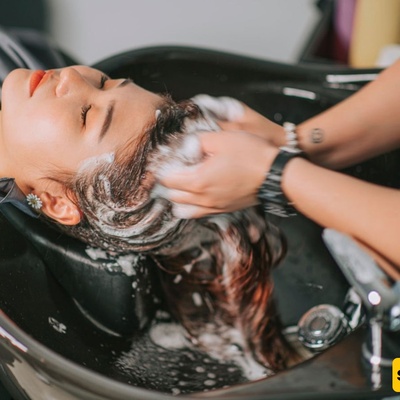
SAEDNEWS: Hot water does not directly strip hair color, but it opens the hair cuticle, removes protective oils, and intensifies the effects of shampoo, accelerating color fading and loss of shine.
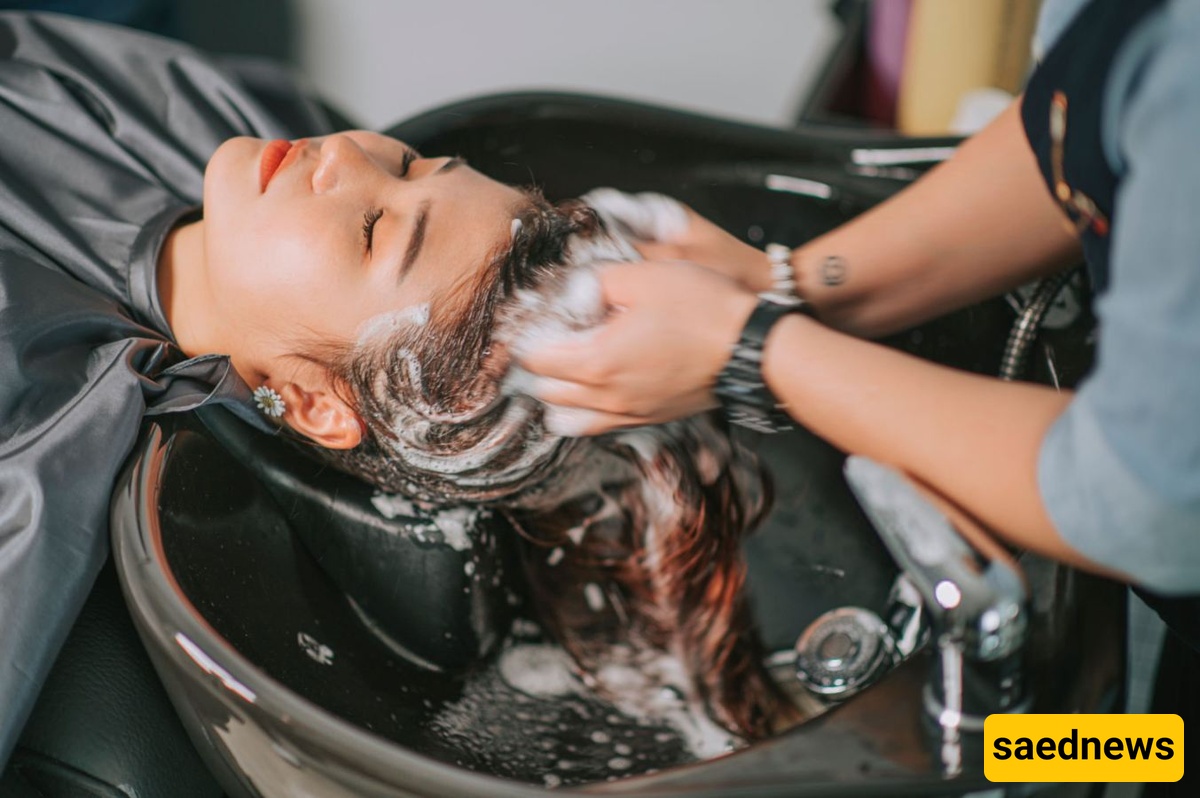
According to Saednews, Dyeing your hair is one of the most popular ways to change your appearance and boost your confidence. However, keeping your hair color as vibrant and beautiful as it was on the first day depends on more than just the quality of the dye or the colorist’s expertise. Much of hair color longevity comes down to simple daily habits, and one of the most important yet frequently overlooked factors is the water temperature you use when washing your hair.
Many people invest in color-safe shampoos and hair masks after dyeing their hair but still complain that their color fades too quickly. This raises an important question: How does hot water affect hair color longevity?
The short answer is that hot water does not directly strip all the color from your hair, but it creates conditions that allow dye molecules to escape the hair shaft more easily. As a result, hair color may become dull, fade faster, or lose its shine. The extent of this effect depends on the type of dye, hair condition, washing frequency, and the products you use.
Hair has a layered structure. Its outermost layer, known as the cuticle, consists of tiny overlapping scales that act as a protective barrier. This layer helps retain moisture, proteins, and hair color.
When you wash your hair with hot water, these scales can swell and separate slightly. This allows more water and cleansing agents to penetrate the hair shaft while making it easier for color molecules to escape.
In other words, hot water is not the primary cause of hair color fading, but it is one of the most important factors you can control to help preserve your color.
The effects are not always immediately noticeable. You may not see a significant difference after the first few washes, but over time, your hair can lose its vibrancy and become dull or develop unwanted tones.
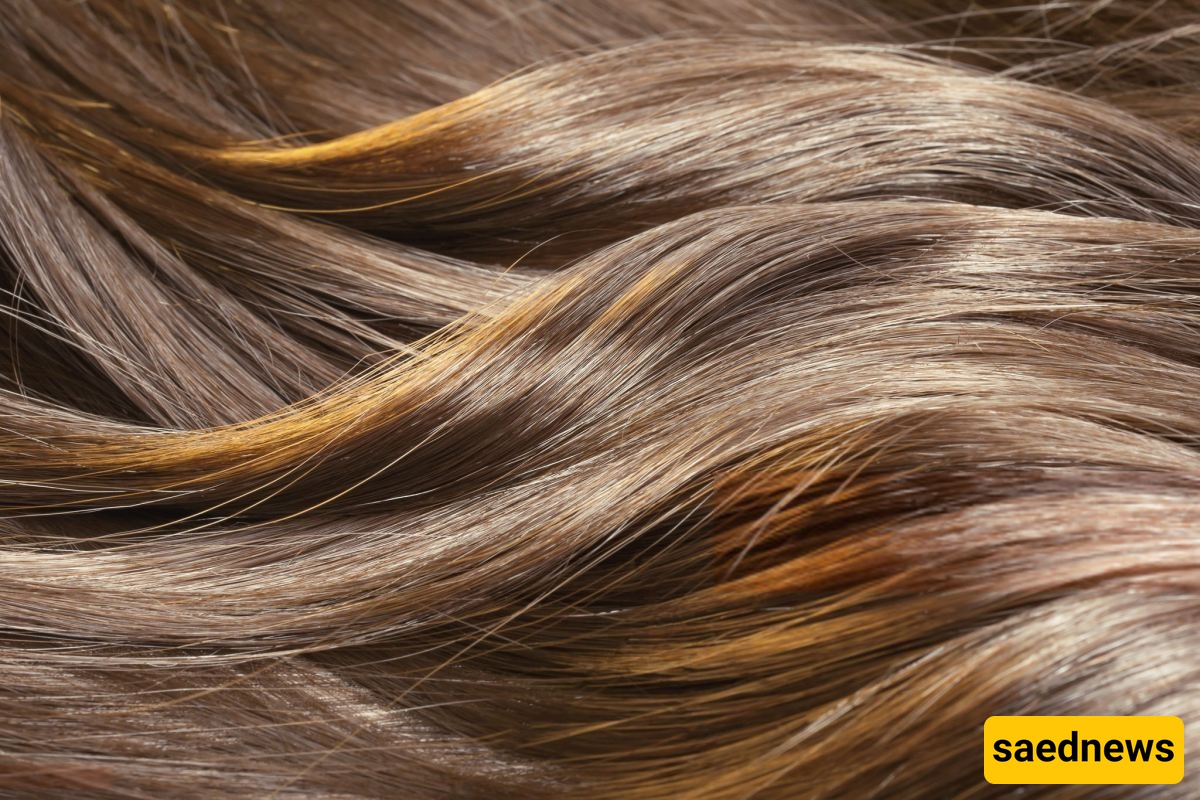
The hair shaft consists of three main layers:
Cuticle: The outer protective layer.
Cortex: The middle layer, where most permanent and semi-permanent hair dyes penetrate and deposit color.
Medulla: The innermost layer, which may be absent in some hair types.
For hair color to last longer, the cuticle should remain as healthy and intact as possible.
Hot water can cause temporary cuticle swelling. Repeated exposure may gradually put additional stress on this protective layer.
Hot water also removes the natural oils from your hair and scalp more quickly. These oils provide a protective barrier, and losing them can leave hair feeling dry, rough, and more prone to breakage.
Dry and damaged hair generally struggles to retain color because its surface becomes more uneven, making color retention less consistent.
Hot water causes the hair cuticle to swell and open slightly. Under these conditions, color molecules stored within the inner layers of the hair can escape more easily through washing.
The higher the water temperature, the more pronounced this effect may become.
This is why many hair professionals recommend washing color-treated hair with lukewarm rather than hot water.
Hot water removes the hair's natural oils more quickly.
When these oils are stripped away, hair becomes drier, and the cuticle may become less effective at protecting the color.
Hair that lacks moisture and natural oils tends to lose its shine and vibrancy more quickly.
Frequent washing with hot water can gradually put stress on the hair structure.
Damaged hair often has an uneven cuticle, making it harder to retain color evenly. Brittle hair is also more vulnerable to damage from brushing, blow-drying, and flat ironing.
These additional sources of damage can accelerate color fading.
Hot water has a relatively limited effect on its own, but when combined with strong shampoos, sulfate-based cleansers, or excessive washing, its impact can increase.
Hot water causes the cuticle to swell, while shampoo removes dirt, excess oils, and some color molecules.
Together, these factors can contribute significantly to premature hair color fading.
No. The type of hair dye, overall hair health, and washing habits all influence how strongly hot water affects color longevity.
Temporary and semi-permanent dyes generally fade faster than permanent hair colors.
Permanent dyes penetrate deeper into the cortex, which usually gives them better staying power. However, they are still vulnerable to hot water, frequent washing, and harsh cleansing products.
Hair with high porosity or existing damage also tends to lose color more easily. Its cuticle is often more open, allowing dye molecules to escape more readily.
By contrast, healthy, low-porosity hair generally retains color better.
Bleached or lightened hair requires additional attention because the chemical processes involved can alter its structure, making it more susceptible to damage and color fading.
The best choice for washing color-treated hair is lukewarm water.
Lukewarm water is warm enough to clean your hair and scalp effectively while placing less stress on the cuticle than hot water.
Ideally, avoid hot water altogether or limit exposure to very short periods.
Rinsing your hair with cool water at the end of your shower may help temporarily smooth the cuticle and improve its appearance and shine.
However, cold water does not permanently lock in hair color and cannot replace a proper hair care routine.
Washing your entire head with extremely cold water is also unnecessary and may be uncomfortable for some people.
The most practical approach is simple: wash with lukewarm water, finish with a cool rinse, and avoid hot water.
Certain everyday habits can increase the negative effects of hot water on color-treated hair.
1. Washing your hair every day: Color-treated hair generally does not need daily washing. Even lukewarm water can gradually accelerate fading when used too frequently.
2. Using harsh, sulfate-based shampoos: These products can remove natural oils and color molecules more quickly. Choose a gentle shampoo specifically formulated for color-treated hair.
3. Applying shampoo along the entire hair length: Shampoo is primarily designed to cleanse the scalp. Aggressively rubbing it through the lengths, especially with hot water, can cause color to fade faster.
4. Spending too long under a hot shower: The longer your hair is exposed to hot water, the more opportunity there is for cuticle swelling and damage.
5. Brushing wet hair aggressively: Wet hair is more vulnerable to damage. Rough brushing can harm the cuticle and contribute to reduced color retention.
6. Frequently using hot blow-dryers and flat irons: Excessive heat can affect hair structure and color stability, even when you are not washing your hair.
Besides adjusting your water temperature, a few simple practices can help maintain vibrant hair color.
1. Increase the time between washes
Whenever possible, limit hair washing to two or three times per week. This helps reduce repeated exposure to water and cleansing agents.
2. Use shampoo designed for color-treated hair
Color-safe shampoos are generally formulated with gentler cleansing ingredients that help preserve hair color.
3. Apply hair masks and conditioners
Conditioners and hair masks help maintain moisture, improve smoothness, and support the protective cuticle layer. Well-conditioned hair often looks shinier and healthier.
4. Finish with a cool-water rinse
A final rinse with cool water may temporarily smooth the hair surface and enhance shine.
5. Protect your hair from sunlight
Ultraviolet (UV) radiation can contribute to hair color fading. Consider using UV-protective hair products or covering your hair when spending extended periods outdoors.
6. Avoid unnecessary full-color treatments
When your color begins to fade, consider refreshing it with a toner or color-depositing treatment rather than repeatedly dyeing your entire head.
7. Consult a Hair Care Professional
If your hair is significantly damaged or your scalp is sensitive, consult a qualified hair care professional or dermatologist for an appropriate care routine.
Myth 1: Hot water completely washes out hair dye.
This is an exaggeration. Hot water alone does not completely remove permanent hair dye, but it can contribute to faster fading.
Myth 2: Cold water permanently locks in hair color.
Cold water may temporarily help smooth the cuticle and improve shine, but it does not permanently seal or lock in color.
Myth 3: Water temperature is the only factor that matters.
Water temperature is important, but it is only one part of the equation. Shampoo ingredients, washing frequency, hair condition, and heat exposure also play significant roles in maintaining hair color.
Keeping your hair color vibrant does not always require expensive treatments or complicated routines. Sometimes, a small change in your daily habits can make a noticeable difference.
Switching from hot to lukewarm water, using color-safe shampoo, reducing unnecessary washes, and maintaining adequate moisture can all help preserve your hair color for longer.
The key is consistency. Treat your color-treated hair gently, protect its natural structure, and enjoy longer-lasting shine and vibrancy.