SAEDNEWS: You might think that Muscat is nothing more than a barren desert, and that its natural attractions are limited to exploring the dunes. If so, you couldn’t be more mistaken.
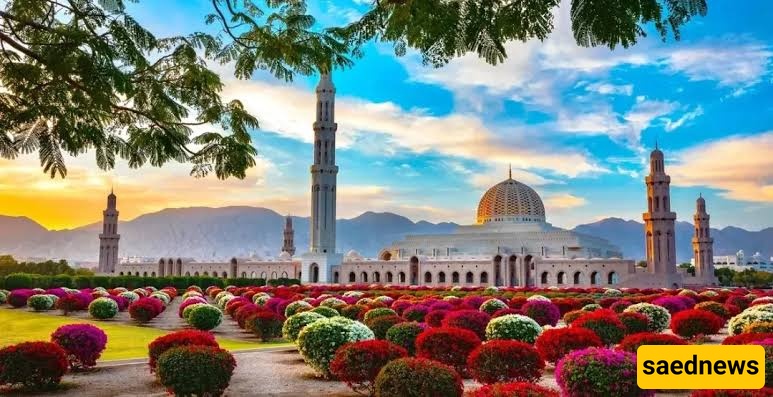
According to Saednews, Muscat, the jewel of Oman, is a city known for its low-rise skyline rather than towering skyscrapers. At first glance, Muscat’s attractions may not seem particularly striking, but a closer look reveals that some of Oman’s most beautiful and fascinating destinations can be found in and around this remarkable city.
From breathtaking deserts and sandy landscapes to beautiful beaches and picturesque harbors, Muscat, the capital of Oman, offers an impressive variety of experiences. Below, we explore some of the most interesting places to visit in Muscat.
Muscat is home to numerous cultural and historical landmarks, including museums, forts, mosques, traditional markets, and magnificent architectural sites. These attractions offer a fascinating blend of Oman’s rich heritage and modern identity.
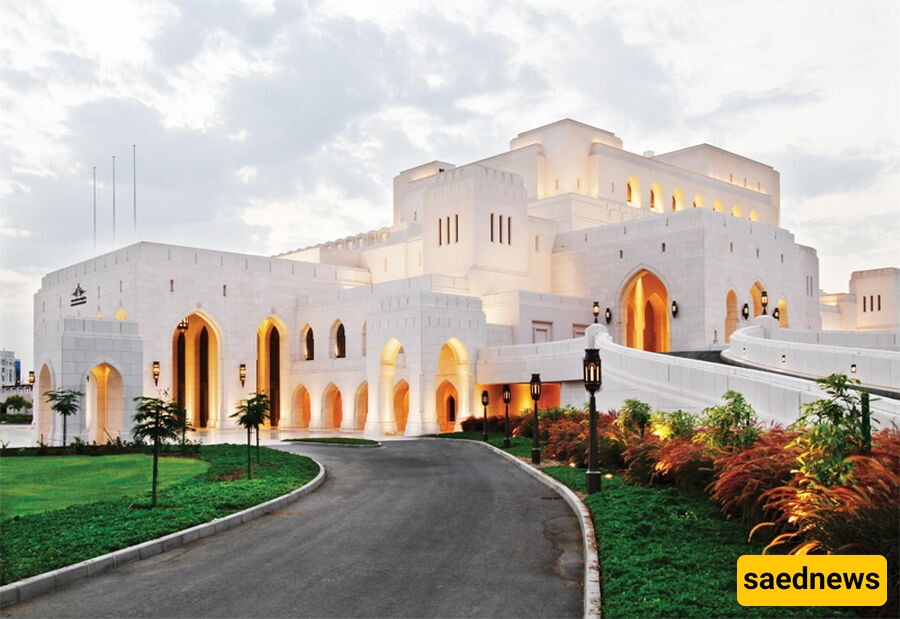
The Royal Opera House Muscat is one of the city's most important cultural landmarks. It was commissioned by Sultan Qaboos and became the first opera house in the Gulf region and the Arabian Peninsula.
The building combines contemporary Omani, Arab, and Islamic architectural styles, making it an outstanding example of art and architecture.
With a capacity of more than 1,000 people, the venue hosts a wide range of performances, including opera, ballet, concerts, and theater. The complex also features an auditorium, beautifully landscaped gardens, a cultural market, luxury restaurants, and facilities showcasing local crafts and artistic products.
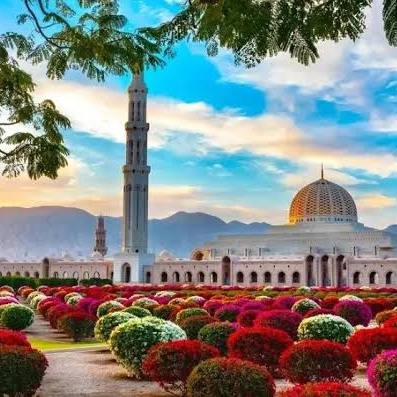
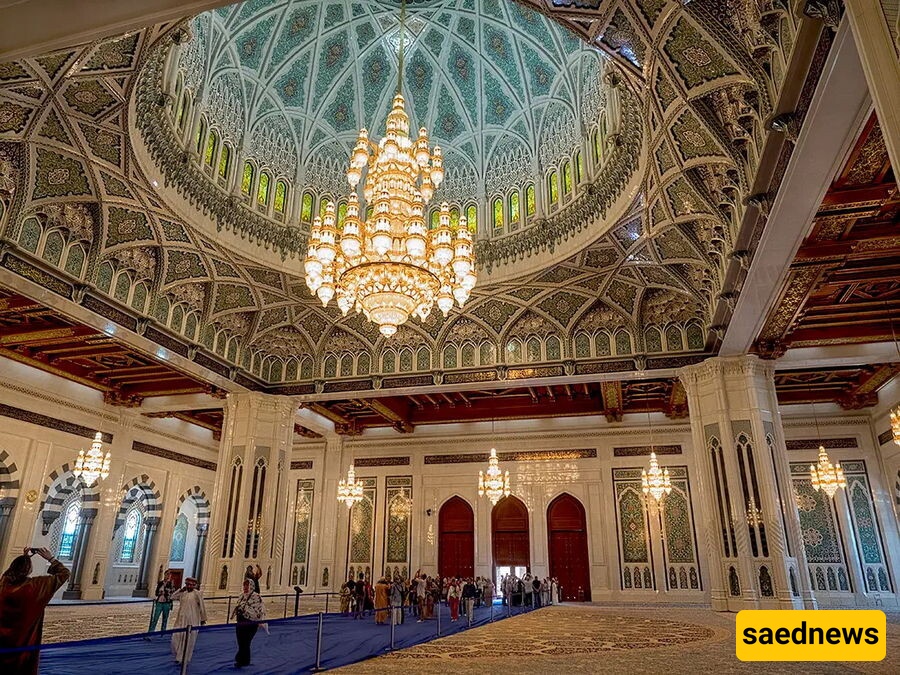
The Sultan Qaboos Grand Mosque is one of the most impressive modern mosques in the world and a major attraction for visitors to Muscat. It was commissioned by Sultan Qaboos bin Said and designed with contributions from architects from different parts of the world, including Iran.
Visitors are greeted by exquisite Islamic and Persian-inspired architectural details, with intricate decorations covering the walls and interiors.
Among the mosque's remarkable features are one of the world's largest hand-woven Persian carpets, a massive crystal chandelier, an extensive library containing around 20,000 books, and an ornate Quran chamber decorated with gold, silver, and sandalwood.
Mutrah Corniche is one of Muscat's most popular waterfront attractions. Stretching for approximately six kilometers along the Gulf of Oman, this lively area features parks, fountains, sculptures, museums, traditional markets, restaurants, and cafés.
The historic Mutrah Souq is also located in this area and is one of the city's most famous traditional markets.
The Corniche is particularly lively in the evening. Visitors can enjoy the beautifully illuminated waterfront, take a leisurely walk, and relax at the area's modern restaurants and cafés with family or friends.
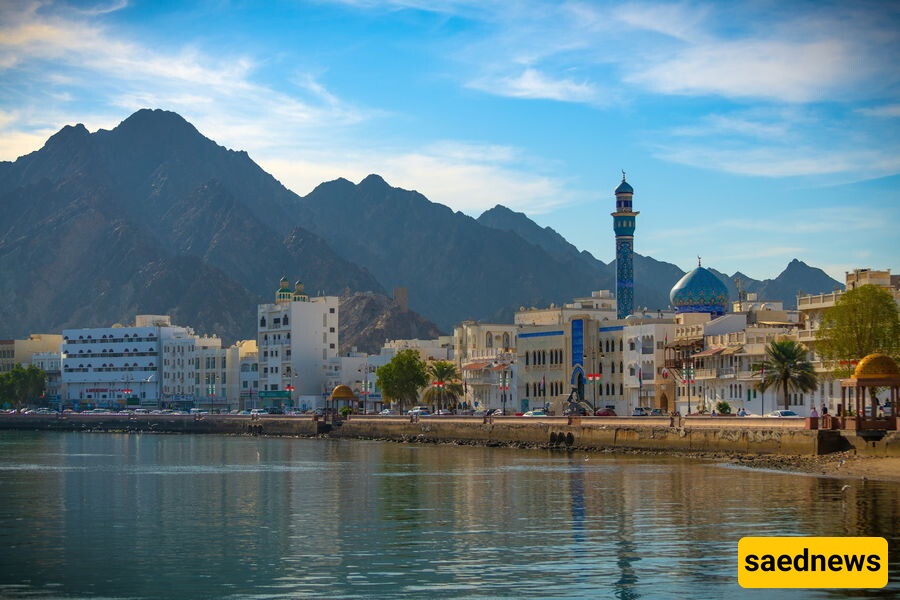
Bait Al Zubair Museum is one of Muscat's most significant cultural and historical museums. Founded by Mohammed Al Zubair, a member of a prominent Omani family, the museum was established to showcase Oman’s history, culture, traditions, and artistic heritage from ancient times to the present day.
Inside the museum, visitors can discover exhibits related to everyday life, traditional clothing, religion, weapons, coins, maps, and Omani art. The museum also contains galleries displaying historic photographs and paintings depicting famous Omani landscapes and personalities.
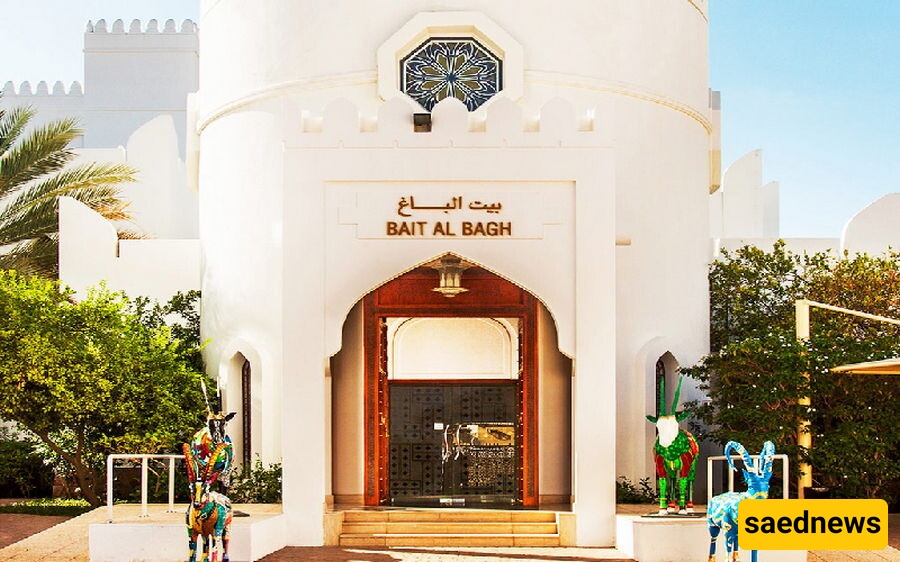
Al Khor Mosque is considered one of Oman's beautiful and historically significant mosques. Its Islamic architecture and elaborate decorations create an impressive atmosphere for visitors.
The mosque features two blue-colored minarets and a large dome that reflects the golden sunlight. Located in the heart of Muscat, its architectural style also evokes elements of traditional Persian design.
One of its distinctive features is the extensive use of colored glass across much of the exterior. White marble, blue and brown tiles, and golden Quranic inscriptions add further elegance to the building.
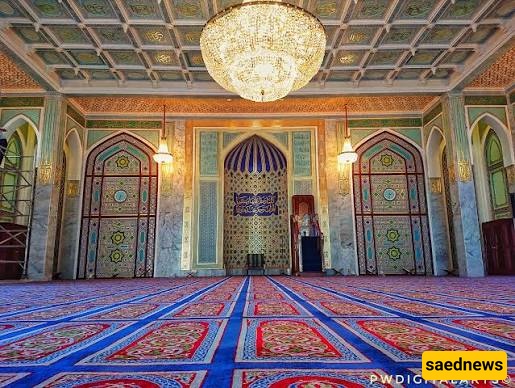
Al-Mirani Fort is one of Oman's most important historic structures. Located along the Gulf of Oman, it stands opposite the Al Alam Palace area in Muscat.
The fort features two prominent towers, one triangular and the other rectangular in shape. Inside its walls are various rooms that were historically used as guard posts, storage areas, a prison, a mosque, and other facilities.
Today, visitors can see historical objects such as cannons, traditional weapons, military clothing, coins, vessels, and other items reflecting Oman's history and culture. Al-Mirani Fort is recognized as part of Oman's national heritage.
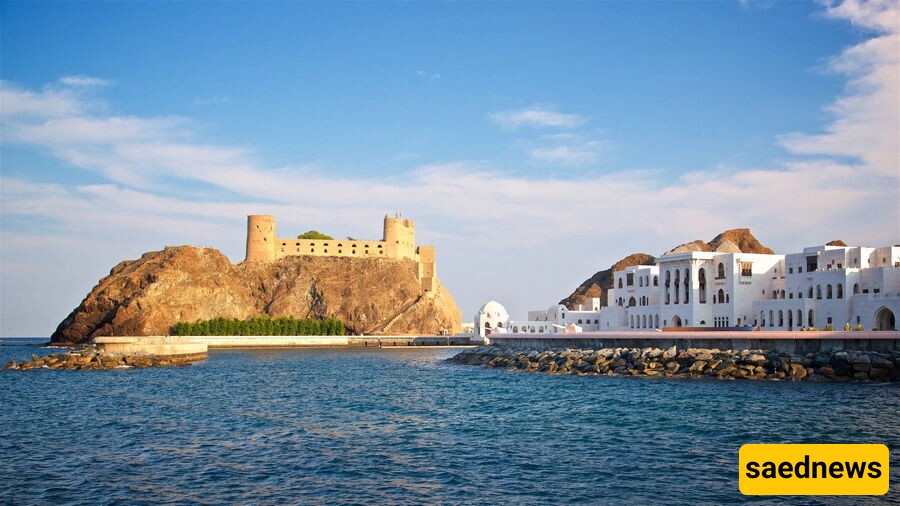
Muscat and its surrounding areas offer a remarkable variety of natural landscapes, including beautiful sandy beaches, rugged mountains, vast deserts, freshwater pools, valleys, and natural caves.
Some of these destinations are located outside the city center, so visitors may need to travel a considerable distance to reach them. However, the journey is often part of the experience.
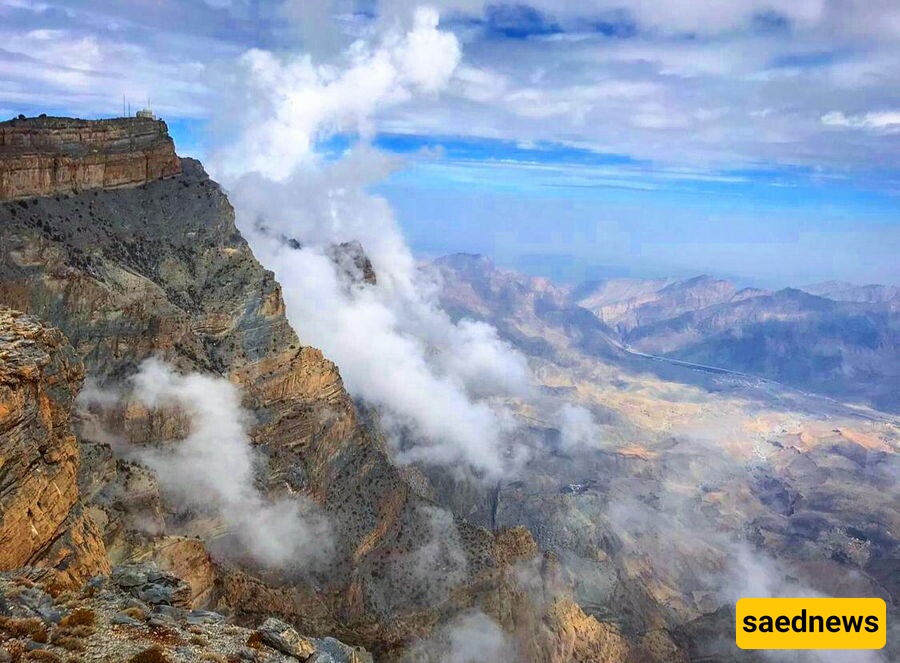
Jebel Shams, meaning “Mountain of the Sun,” is one of Oman's most spectacular mountain destinations. It is the country's highest mountain and is often referred to as the “Roof of Oman.”
From the summit and surrounding viewpoints, visitors can enjoy breathtaking views of the desert, sea, and Hajar Mountains.
The area offers several hiking and cycling routes, allowing visitors to explore the dramatic mountain scenery. Some trails lead to lower mountain ranges and viewpoints.
The highest section of the mountain is restricted because of the presence of a military facility, so visitors cannot access the summit itself.
Wadi Bani Khalid is one of Oman's most famous and picturesque valleys. Its year-round water, freshwater pools, dramatic rock formations, and lush surroundings make it a popular destination for nature lovers.
Visitors can swim in the clear pools, hike through the valley, explore natural springs, and discover nearby caves.
The combination of green vegetation and rugged desert scenery makes Wadi Bani Khalid a unique example of Oman's diverse natural environment.
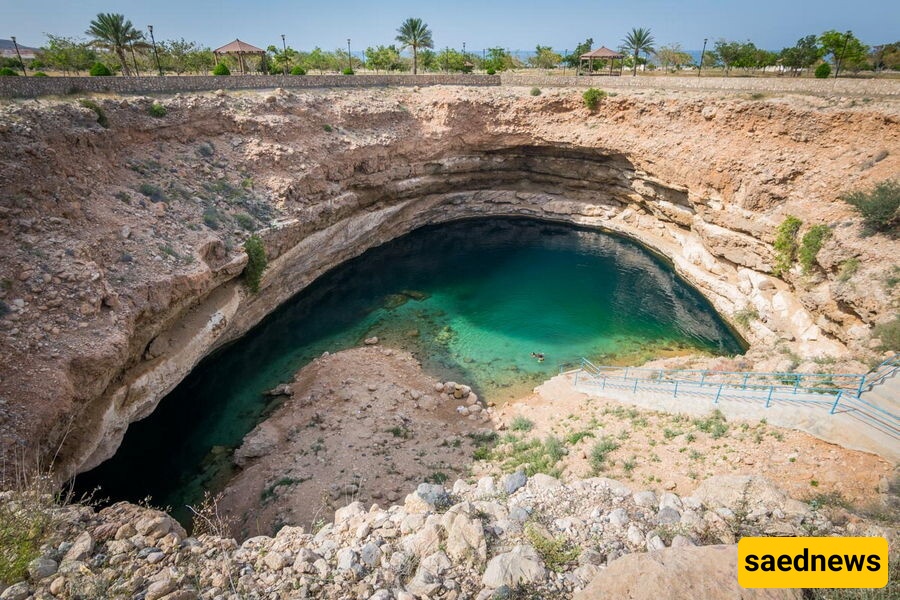
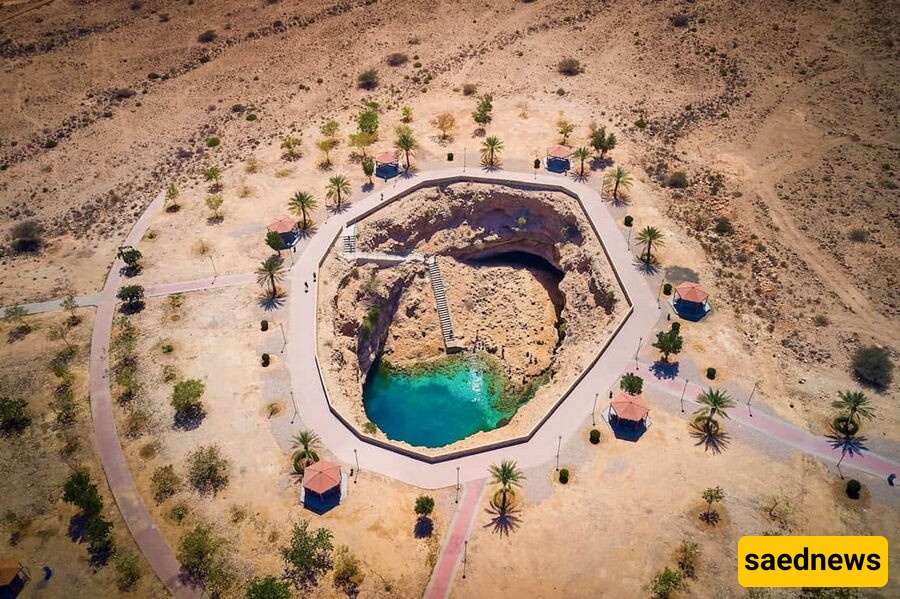
Bimmah Sinkhole is a spectacular natural formation located near the coast of Oman. Its deep turquoise waters and dramatic limestone surroundings have made it one of the country's most photographed natural attractions.
The sinkhole contains rocky formations and underwater areas that create a fascinating landscape for visitors. Some sections contain saltwater while others are influenced by freshwater sources.
Visitors interested in exploring the site should wear suitable clothing and footwear and take appropriate safety precautions, particularly when swimming or exploring rocky areas.
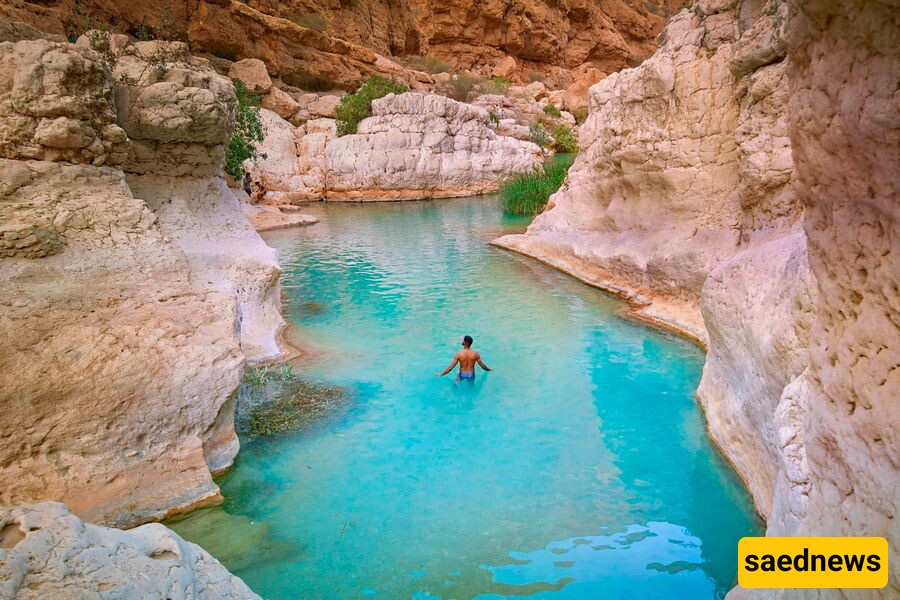
Wadi Shab is one of Oman's most popular natural attractions. Surrounded by rugged mountains and lush vegetation, the valley is famous for its turquoise pools, waterfalls, palm trees, and scenic hiking trails.
The route through Wadi Shab offers beautiful views of mountains, palm groves, fruit gardens, date plantations, and flowing streams. At certain points, visitors need to cross the water or use a small boat to continue the journey.
At the end of the trail lies a stunning turquoise pool and a series of caves that can be reached by swimming. The area provides an unforgettable combination of hiking, swimming, and exploring.
During spring, colorful flowers add to the beauty of the landscape, while the cool water and shade from palm trees make the valley particularly appealing during the warmer months.
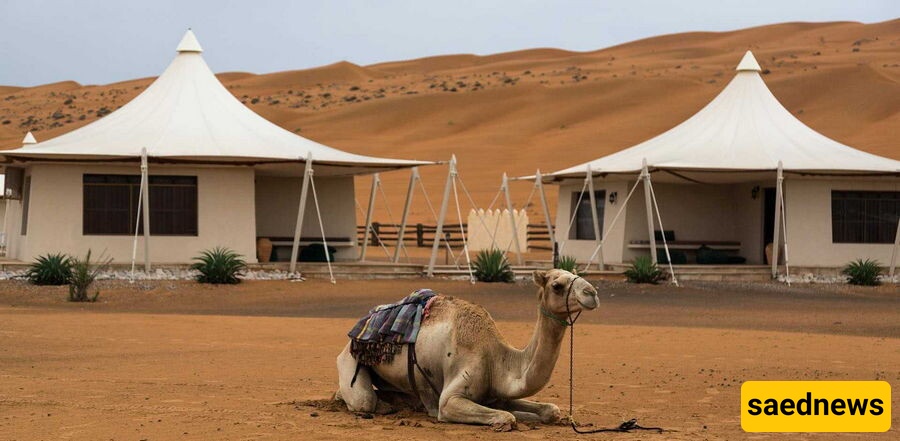
Wahiba Sands, also known as the Sharqiya Sands, is one of Oman's most famous desert destinations. The vast golden dunes create an impressive landscape surrounded by the Hajar Mountains in parts of the region.
Visitors can enjoy a variety of desert activities, including dune safaris, camel riding, camping, and exploring traditional Bedouin communities.
Many travelers particularly enjoy visiting the desert at night, when the clear skies reveal countless stars. The peaceful atmosphere and dramatic contrast between the golden dunes and the night sky make an overnight desert experience especially memorable.
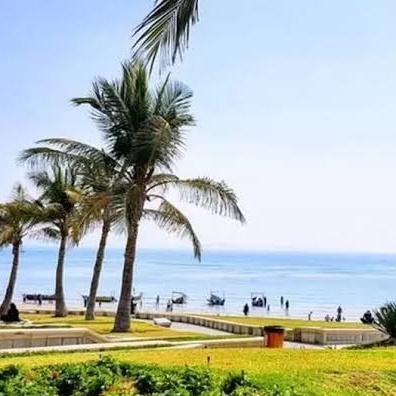
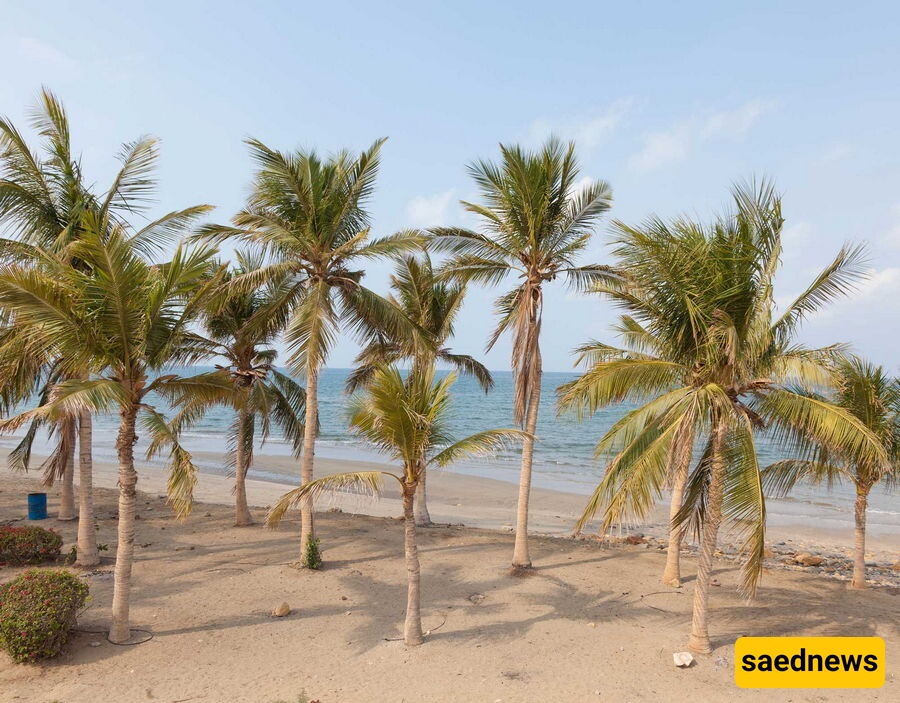
Qurum Beach is one of Muscat's most popular coastal destinations. Located in the Qurum district, the beach features a long promenade where visitors can walk, cycle, or simply enjoy views of the Gulf of Oman.
The area is suitable for swimming, boating, and other recreational activities. A variety of restaurants nearby serve everything from traditional Omani dishes to international cuisine.
Qurum also hosts cultural and artistic events throughout the year, giving visitors an opportunity to experience aspects of Omani culture and local traditions.
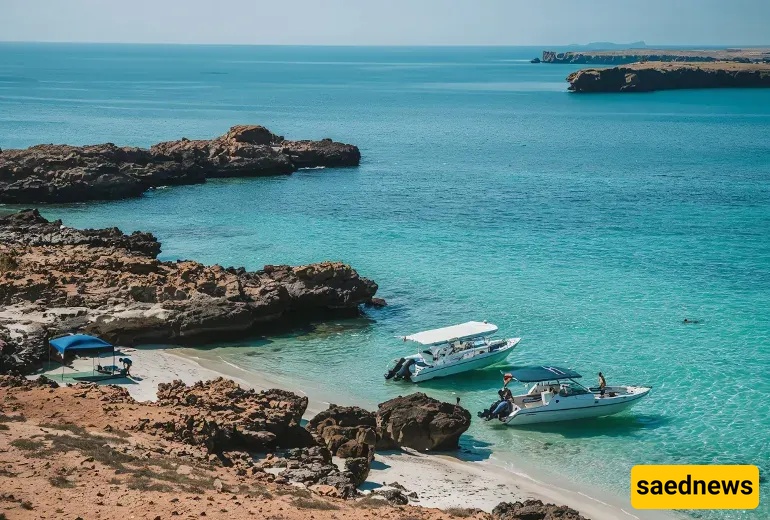
The Daymaniyat Islands are among Oman's most beautiful natural destinations. Located off the country's northern coast, the islands are famous for their white sandy beaches, clear blue waters, coral reefs, and rich marine life.
The islands are particularly popular for snorkeling and diving. Visitors can explore colorful fish, coral formations, sea turtles, dolphins, and, in some areas, reef sharks.
Boat trips around the islands provide opportunities to admire their beaches, rocky landscapes, and natural scenery. Diving enthusiasts can also encounter coral reefs, marine life, and underwater formations.
Jebel Akhdar, meaning “Green Mountain,” is one of Oman's most beautiful mountain regions. It is known for its relatively mild climate, natural springs, fruit orchards, traditional villages, and spectacular mountain scenery.
The region receives more rainfall than many other parts of Oman, allowing lush vegetation to flourish. Visitors can find orchards growing citrus fruits, apples, apricots, pears, plums, and other crops.
Jebel Akhdar is also famous for its roses and other flowers, including jasmine, tulips, poppies, and lilies. The fragrant roses have contributed to the region's long tradition of producing rose water.
If you are looking for a destination that combines authentic Arabian culture, dramatic natural landscapes, and impressive architecture, Muscat is well worth exploring.
From the magnificent Sultan Qaboos Grand Mosque and traditional Mutrah Souq to Qurum Beach and historic Portuguese-era forts, Muscat offers a diverse range of attractions for almost every type of traveler.
Visitors can explore cultural institutions such as the National Museum of Oman, relax in Al Qurum Natural Park, and enjoy the scenic waterfront around Mutrah. Nature and adventure enthusiasts can also venture beyond the city for desert excursions in Wahiba Sands, hiking in the mountains, or snorkeling and diving in the clear waters of the Gulf of Oman.
With its combination of history, culture, coastline, mountains, and desert landscapes, Muscat provides a memorable introduction to the many sides of Oman.