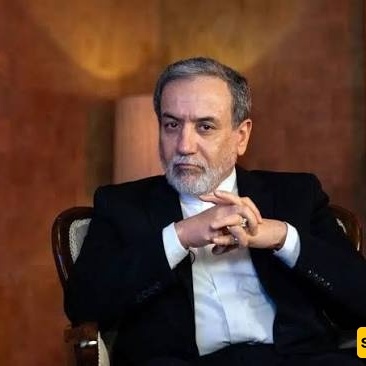
SAEDNEWS: Iranian Foreign Minister Abbas Araghchi says the US and Israel failed to accomplish their objectives in two recent wars against Iran, moving from demands for “unconditional surrender” during the 12-day war to calls for an “unconditional ceasefire” and, later, “unconditional negotiations” during the 40-day war.
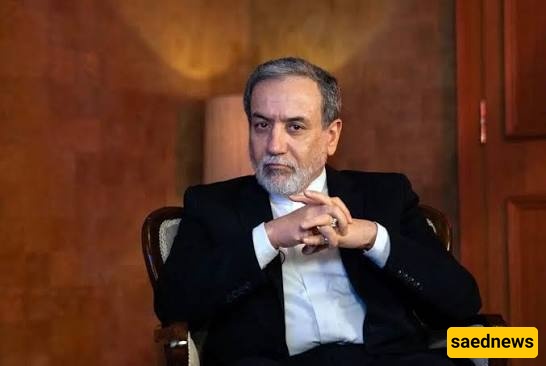
According to Saednews, Speaking at a meeting on Monday, Iranian Foreign Minister Abbas Araghchi said the past two years had been characterized by intense pressure from the United States and Israel, two wars, economic sanctions, assassinations, and internal plots aimed at destabilizing Iran. He added that Iran’s adversaries had deployed all available means in an attempt to weaken the country.
Reflecting on the outcomes of the two wars, Araghchi said that following 12 days of fighting, the opposing side had shifted its position from demanding Iran’s “unconditional surrender” to calling for an “unconditional ceasefire.”
He added that during the 40-day war, their demands changed after approximately 20 days, moving from “unconditional surrender” to “unconditional negotiations” and diplomatic efforts to reach an agreement. He stressed that the confrontation was not entirely over and that the government, Armed Forces, state institutions, and Iranian people had all played a role.
Araghchi noted that despite the considerable military capabilities of the United States and Israel, as well as the political and military support they received from certain European and regional countries, the aggressors had failed to accomplish their objectives against Iran.
He identified resistance as the principal factor behind Iran’s achievements over the past 47 years, particularly during the last two years, emphasizing that preventing adversaries from achieving their goals should itself be regarded as a victory.
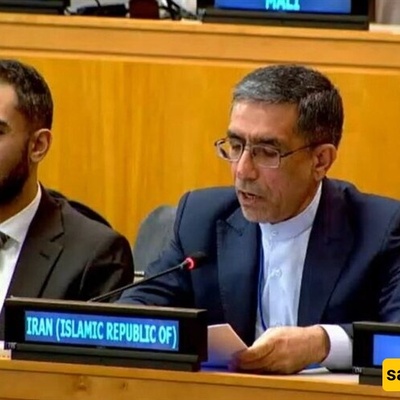
Addressing the Foreign Ministry’s responsibilities during wartime, Araghchi highlighted the importance of defending Iran’s positions in international institutions, communicating the Iranian people's views to the international community, and pursuing diplomatic initiatives to secure the removal of sanctions.
He emphasized that while diplomatic negotiations should remain an option, the Foreign Ministry must also contribute to strengthening the country's ability to withstand external pressure and economic restrictions.
According to Araghchi, the ministry should work to establish alternative supply channels, identify new export destinations, and expand international trade to reduce the effects of sanctions, maintain industrial production, and protect employment.
He also highlighted provincial diplomacy as an effective instrument for achieving these objectives. He said provincial foreign affairs offices should move beyond their traditional focus on consular services and concentrate more on identifying local economic opportunities, developing provincial capabilities, and building partnerships with counterparts in neighboring and other countries.
Concluding his remarks, Araghchi underscored the strategic importance of economic diplomacy in advancing Iran’s economic independence. He urged all Foreign Ministry officials to identify emerging opportunities, intensify their activities, promote exports, and contribute to helping the country navigate its current challenges.
Make the translation more faithfulUse a neutral news-reporting toneShorten the article for readability