SAEDNEWS: Zhangjiajie National Park is famous for its dramatic landscapes, towering stone pillars, and exciting attractions. It became a UNESCO World Heritage Site in 1992 and a Global Geopark in 2004.
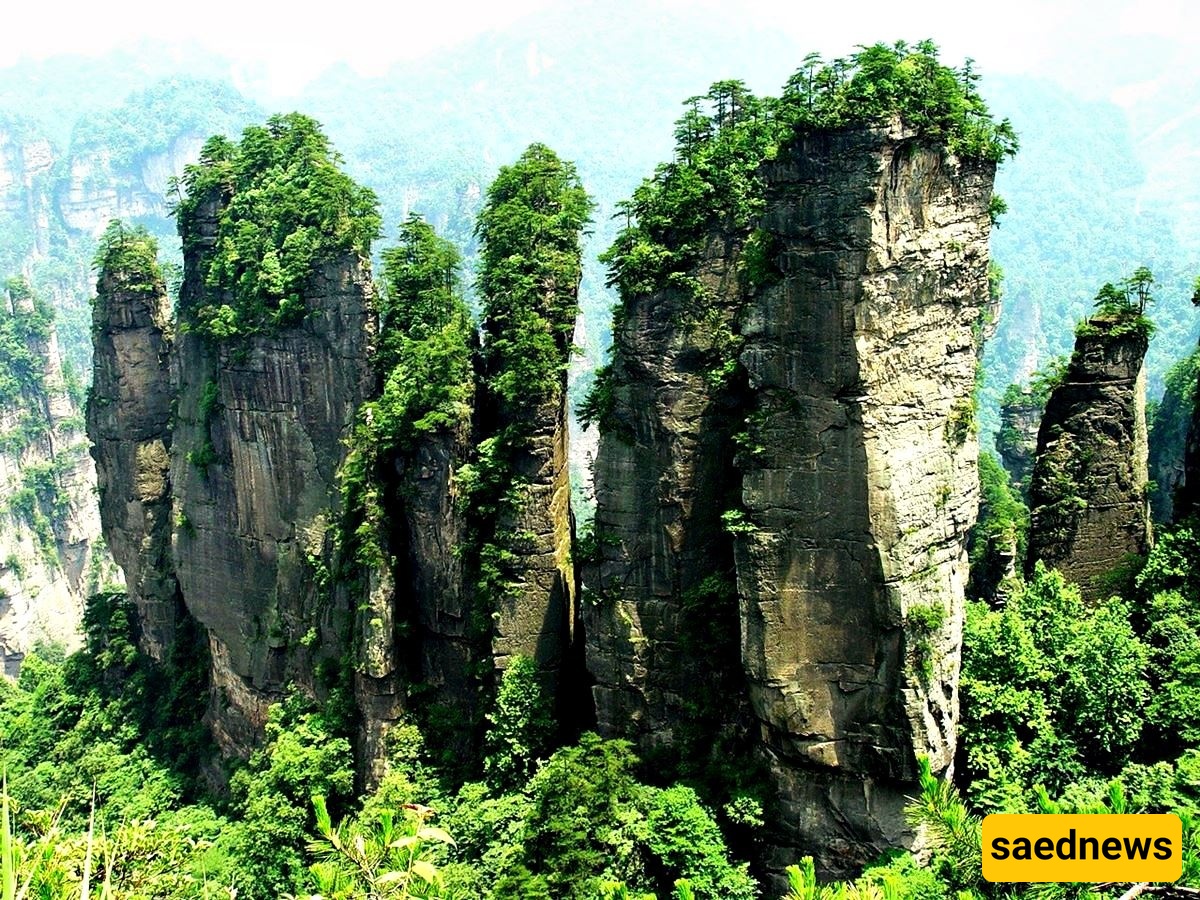
According to Saednews, Zhangjiajie National Forest Park is considered one of the most beautiful national parks in China. Located in the scenic Wulingyuan area, about 270 kilometers from Changsha, the capital of Hunan Province, the park is surrounded by dense forests and is home to thousands of towering sandstone pillars, some reaching several hundred meters in height. Its remarkable natural scenery, diverse wildlife, rivers, and spectacular waterfalls are among the defining features of this extraordinary region.
One of the park’s most notable attractions is the Bailong Elevator, which rises 326 meters and is recognized as one of the world’s highest outdoor elevators. Three sides of the elevator are made of glass, offering visitors dramatic views of the surrounding mountains.
The park is also associated with the Zhangjiajie Glass Bridge, a spectacular pedestrian bridge stretching approximately 430 meters across a canyon at a height of about 300 meters. Another major attraction is the Zhangjiajie cable car system, with a route extending for approximately 7,455 meters.
Zhangjiajie National Forest Park became part of the Wulingyuan Scenic Area, which was inscribed on the UNESCO World Heritage List in 1992. In 2004, the wider area was also recognized as a UNESCO Global Geopark.
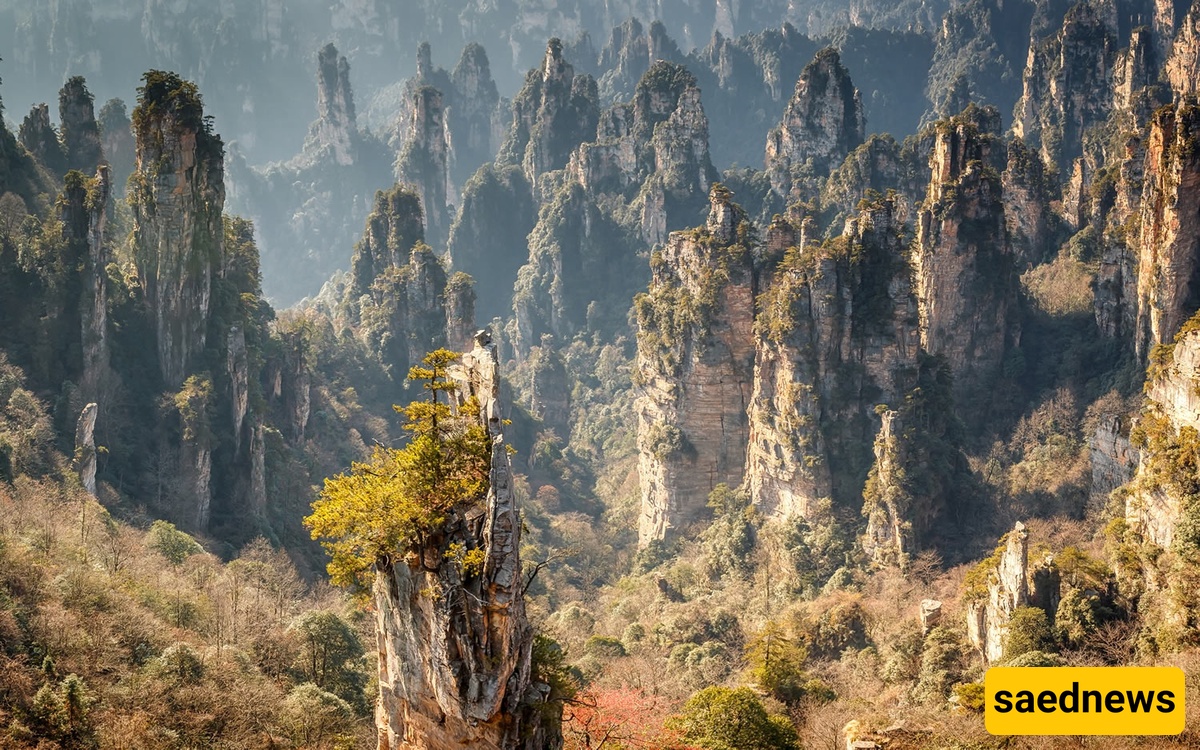
The most remarkable geographical feature of the park is its extraordinary collection of pillar-like rock formations, which can be seen throughout the landscape. Although the scenery may resemble a karst landscape, these formations are not primarily the result of the chemical dissolution of limestone that characterizes typical karst terrain. Instead, they were shaped largely by years of physical erosion.
Much of the weathering responsible for forming these pillars has been influenced by the expansion of ice during winter and by vegetation growing on the rock surfaces. The region remains humid throughout much of the year, allowing dense vegetation to flourish. Weathered material is gradually carried away by streams, further shaping the landscape.
These dramatic formations have become an iconic representation of the Chinese mountain landscape and resemble the scenery depicted in many traditional Chinese paintings.
One of the park’s most famous sandstone pillars, originally known as the Southern Sky Column and rising approximately 1,080 meters, was renamed “Avatar Hallelujah Mountain” in 2010. The landscape of Zhangjiajie has often been associated with the floating mountains portrayed in the film Avatar. Photographs of the region were widely cited as an inspiration for the film’s spectacular mountain scenery, although the filmmakers have also said that their visual influences came from mountainous landscapes around the world, including Hunan Province.
The Bailong Elevator, whose name can be translated as “Hundred Dragons Elevator,” opened to the public in 2002. Rising approximately 326 meters, it is one of the highest outdoor elevators in the world.
The elevator can transport visitors from the valley to the upper mountain area in less than two minutes. The structure consists of three separate glass elevators, each capable of carrying around 50 passengers at a time.
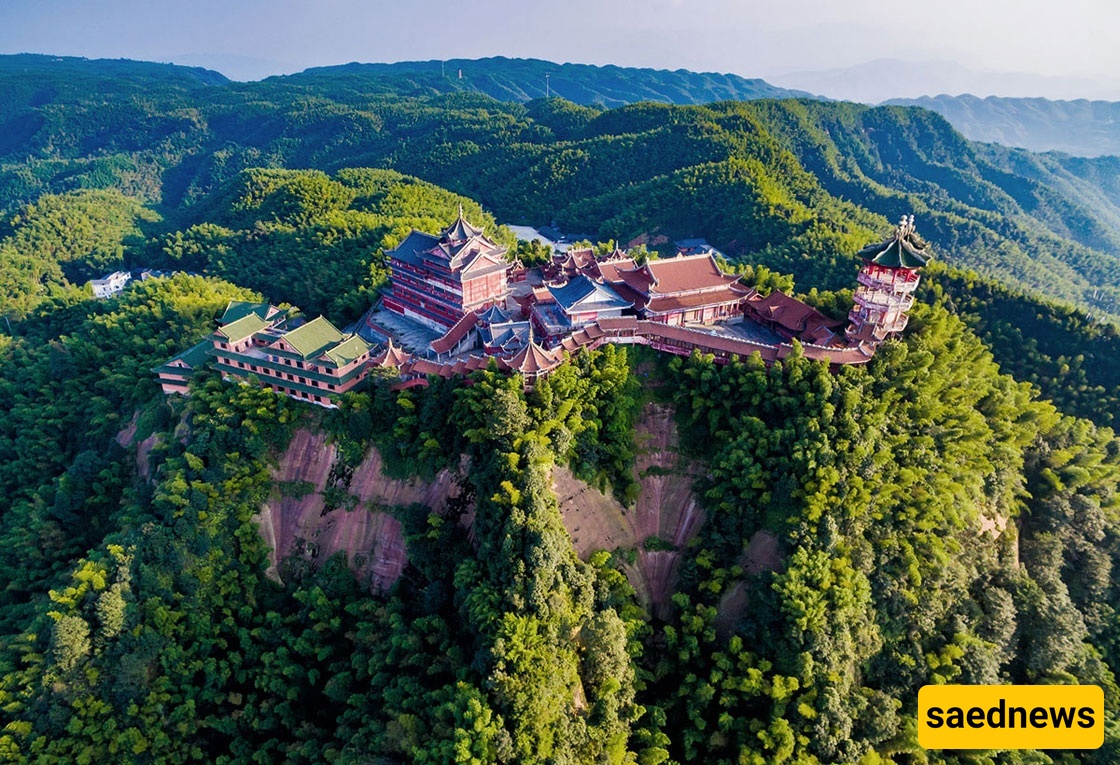
Zhangjiajie National Forest Park is located in northwestern Hunan Province in central China. It forms part of the larger Wulingyuan Scenic Area, a mountainous region famous for its sandstone pillars, deep valleys, forests, streams, and waterfalls.
The area became an officially protected national forest park in 1982, making Zhangjiajie National Forest Park one of the earliest national forest parks established in China.
The region has a long history of human settlement and political change. During the early 20th century, parts of the surrounding area were affected by revolutionary movements, while access to the forested mountain region remained restricted.
After the establishment of the People's Republic of China in 1949, the area underwent several administrative and institutional changes. In 1955, the forest region was designated as a state-managed forest area. In 1982, the Chinese government officially established Zhangjiajie National Forest Park.
The park and the surrounding Wulingyuan Scenic Area later gained international recognition because of their exceptional geological and natural features. In 1992, Wulingyuan was inscribed on the UNESCO World Heritage List. In 2004, the region was designated a UNESCO Global Geopark.
Zhangjiajie subsequently became one of China's most important nature-based tourist destinations and was awarded the country's highest scenic-area classification, 5A, in 2007.
Zhangjiajie has a humid subtropical climate. Winters are relatively cool, while summers are warm and humid. Temperatures in the region can fall to around 5°C during winter and reach approximately 28°C in summer. The annual average temperature is around 13°C, while average yearly precipitation is approximately 1,228 millimeters.
The combination of abundant rainfall, humidity, forests, streams, and distinctive rock formations contributes to the region's lush and dramatic appearance.
One of Zhangjiajie's most famous attractions is its spectacular glass bridge spanning a deep canyon in the Zhangjiajie Grand Canyon.
The bridge opened in 2016 and quickly became internationally famous because of its transparent glass floor and dramatic location. It stretches approximately 430 meters and stands about 300 meters above the canyon floor.
The bridge was designed by Israeli architect Haim Dotan and was engineered to accommodate large numbers of visitors. Its transparent floor provides visitors with a striking view of the canyon far below.
The bridge became so popular after opening that it was temporarily closed only a few weeks later because of the overwhelming number of visitors. It reopened on September 30, 2016, after additional measures were introduced to improve visitor management and safety.
Another remarkable engineering attraction in Zhangjiajie is the 326-meter-high Bailong Elevator.
The elevator takes visitors from the lower valley to the upper mountain area in roughly two minutes. Its glass construction allows passengers to observe the dramatic cliffs and forests surrounding the elevator as they ascend.
Because of the elevator's unusual height and location, its safety was carefully evaluated before it opened to the public. The structure underwent extensive testing and inspection before being made available to visitors.
Yuanjiajie is one of the most spectacular areas within the Zhangjiajie region. Located in the northern part of the scenic area, it is characterized by steep slopes, deep valleys, and unusual sandstone pillars.
The area became especially famous because of its resemblance to the dramatic mountain landscapes associated with Avatar. Visitors can explore several viewpoints and trails that provide panoramic views of the towering formations.
One of the area's well-known viewpoints is associated with the landscape popularly known as the “Avatar Hallelujah Mountain.”
The Southern Sky Column is one of the most recognizable natural formations in Zhangjiajie. Rising more than 1,000 meters above sea level, the pillar stands among thousands of other sandstone formations in the Yuanjiajie area.
The spectacular landscape attracted international photographers and filmmakers. Photographs taken in the region helped bring global attention to Zhangjiajie's unusual rock formations and their resemblance to the floating mountains depicted in Avatar.
Today, the Southern Sky Column remains one of the most photographed landmarks in the park.
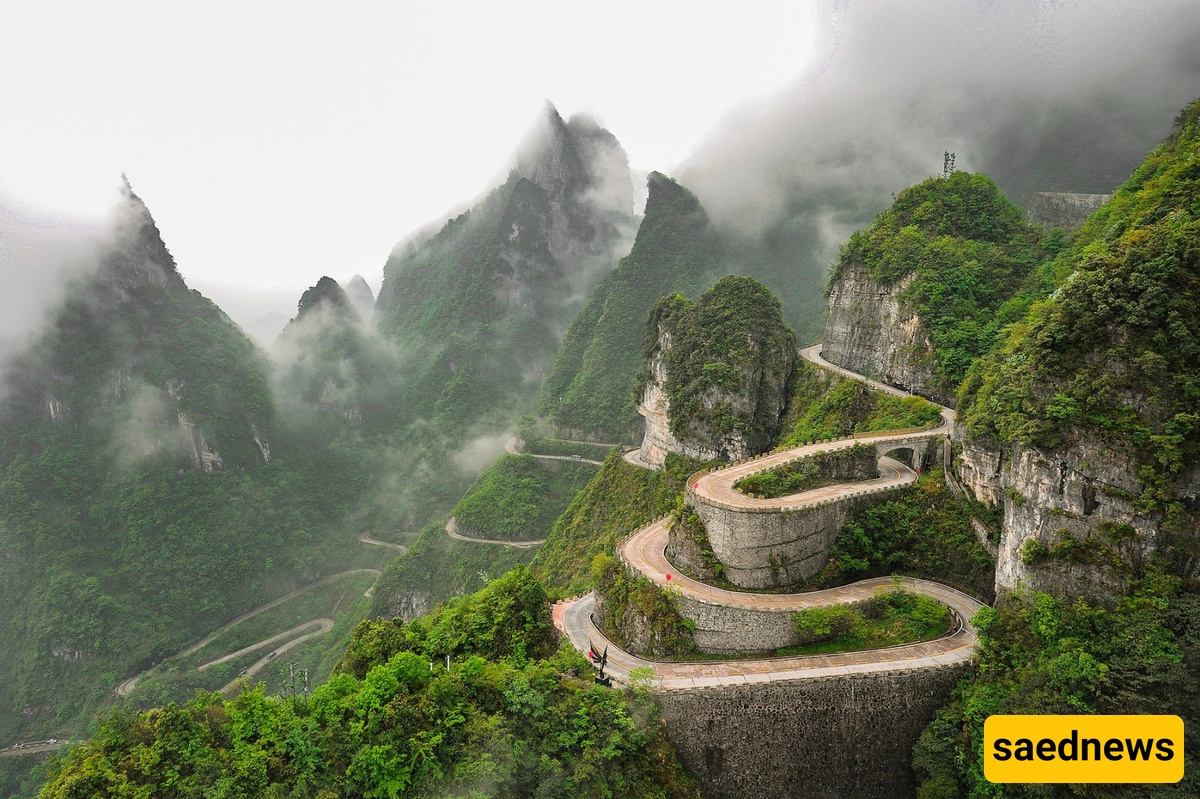
For visitors traveling through the Zhangjiajie mountain region, the famous Tianmen Mountain Road is another remarkable attraction.
Known for its dramatic series of 99 bends, the mountain road winds its way up the steep slopes toward Tianmen Mountain. The road is approximately 11 kilometers long and is regarded as one of the most spectacular mountain roads in China.
Its sharp curves and steep terrain create a dramatic route through the mountainous landscape.
Zhangjiajie offers much more than towering rock formations. The park is also filled with streams, forests, waterfalls, plants, and wildlife.
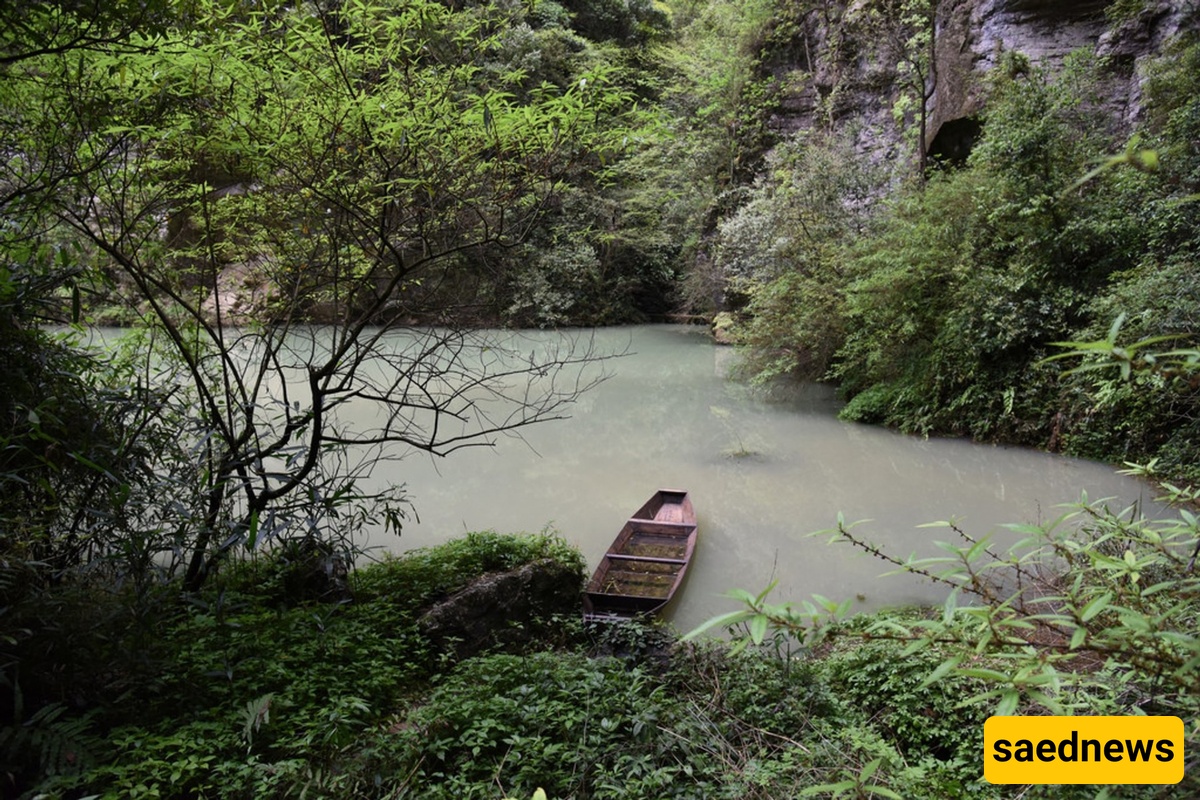
Golden Whip Stream, also known as Jinbian Stream, is one of the most beautiful natural attractions in the region. The stream stretches for approximately 8 kilometers through a peaceful valley surrounded by dense vegetation and towering sandstone cliffs.
The walking trail alongside the stream provides visitors with a tranquil experience amid forests, flowers, trees, and clear flowing water. The area is often described as a natural paradise because of its combination of pristine scenery and abundant vegetation.
Zhangjiajie National Forest Park is ultimately a remarkable combination of geological formations, dense forests, waterways, and dramatic mountain scenery. Its towering sandstone pillars and unique landscapes have made it one of China's most distinctive natural destinations and an important part of the country's protected natural heritage.