SAEDNEWS: Gateway of India Mumbai and Its Stunning Surrounding Views: In this article, we’ll introduce you to the Gateway of India in Mumbai and explore the breathtaking sights around it. Join us as we take a closer look.
According to Saednews, The Gateway of India in Mumbai is one of the city’s most famous historical landmarks and an enduring symbol of India’s colonial history. Built on the waterfront overlooking the Arabian Sea, the monument is closely associated with the end of British rule in India. In 1948, the last British troops to leave India passed through the Gateway after the country gained independence.
Designed by Scottish architect George Wittet, the Gateway of India combines elements of Indo-Saracenic, Islamic and Indian architectural styles. Its impressive scale and waterfront setting have led many visitors to describe it as the “Taj Mahal of Mumbai.”
The Gateway of India stands in the Colaba area of South Mumbai, near Apollo Bunder and the entrance to Mumbai Harbour. Because of its location beside the Arabian Sea, it is one of the first major landmarks visitors encounter when approaching Mumbai from the water.
The area around the monument is now a lively tourist destination, attracting millions of visitors every year. Apollo Bunder, which once served as an important landing point for passengers and goods, is now surrounded by photographers, street vendors, balloon sellers, musicians and food stalls.
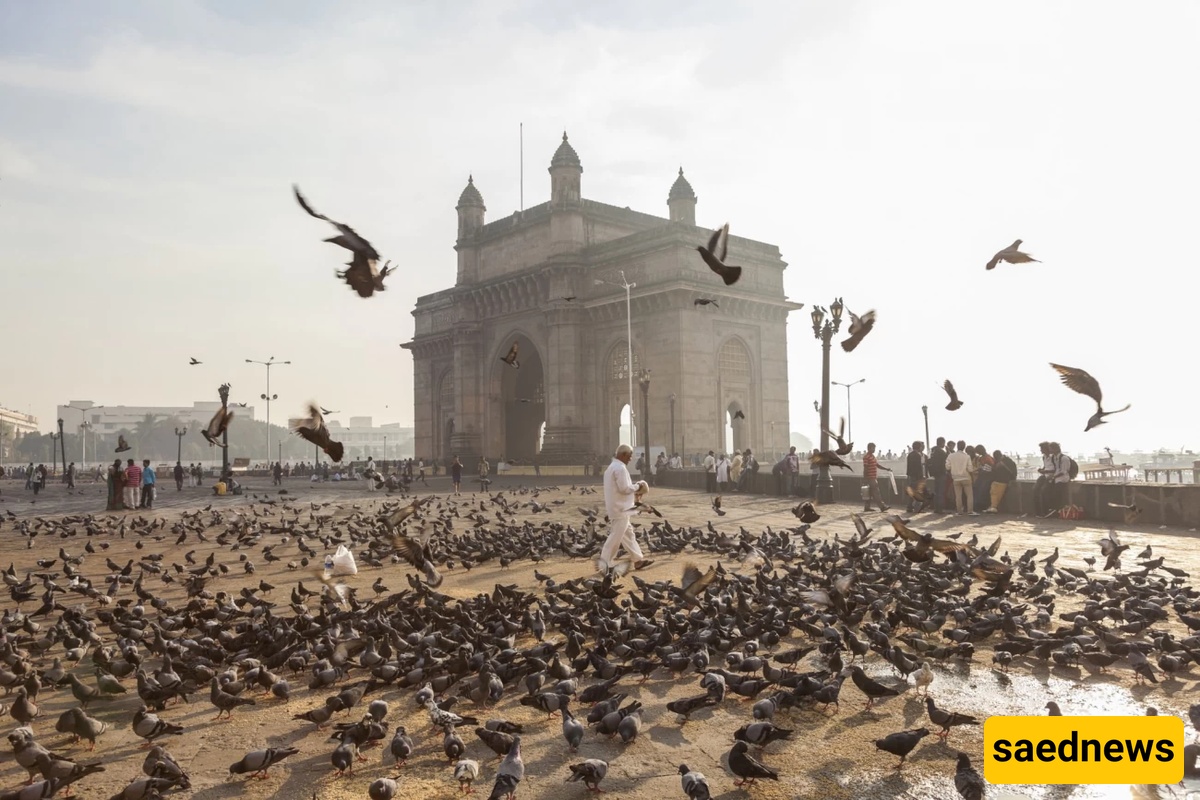
The monument is located near Colaba and can be reached by several forms of transportation:
Taxi: A convenient option for reaching Colaba directly.
Train: Travel to Chhatrapati Shivaji Maharaj Terminus (CSMT) and continue by taxi or bus.
Bus: Several local bus routes serve the Colaba area, with the Gateway of India bus stop located close to the monument.
The idea for the Gateway of India was connected to the visit of King George V and Queen Mary to Mumbai in 1911. At the time of their arrival, however, the monument had not yet been built, and only its foundation stone was laid. A temporary structure was reportedly used to welcome the royal visitors.
The final design was prepared in 1914 by Scottish architect George Wittet, while construction took approximately ten years. The monument was officially completed in 1924.
The Gateway later gained an even greater historical significance. In 1948, following Indian independence, the last British military forces leaving the country passed through the Gateway. As a result, the monument became an important symbol of the end of British colonial rule in India.
George Wittet designed the monument in the Indo-Saracenic style, which blends elements of Indian and Islamic architecture. Islamic influences can particularly be seen in the monument’s large central arch, while Indian decorative elements contribute to its distinctive appearance.
The Gateway was constructed primarily from yellow basalt and concrete. Its surfaces feature intricate lattice-style decorative work, while four turrets add to the monument’s imposing appearance.
The central arch rises approximately 26 metres, while other sections of the structure vary in height. Its combination of monumental proportions, detailed ornamentation and seaside location makes the Gateway one of Mumbai’s most recognizable architectural landmarks.
Mumbai can be hot, humid and rainy during the summer and monsoon months, so November to March is generally considered a more comfortable period to visit the city.
For sightseeing, late afternoon and evening are particularly pleasant, as temperatures become more comfortable and the waterfront becomes livelier. Visitors can explore the area, take a boat ride and enjoy a variety of Indian street foods available around the monument.
From samosas and local snacks to seasonal fruits and Indian-style fast food, the area around the Gateway offers plenty of opportunities to experience Mumbai’s lively street culture.
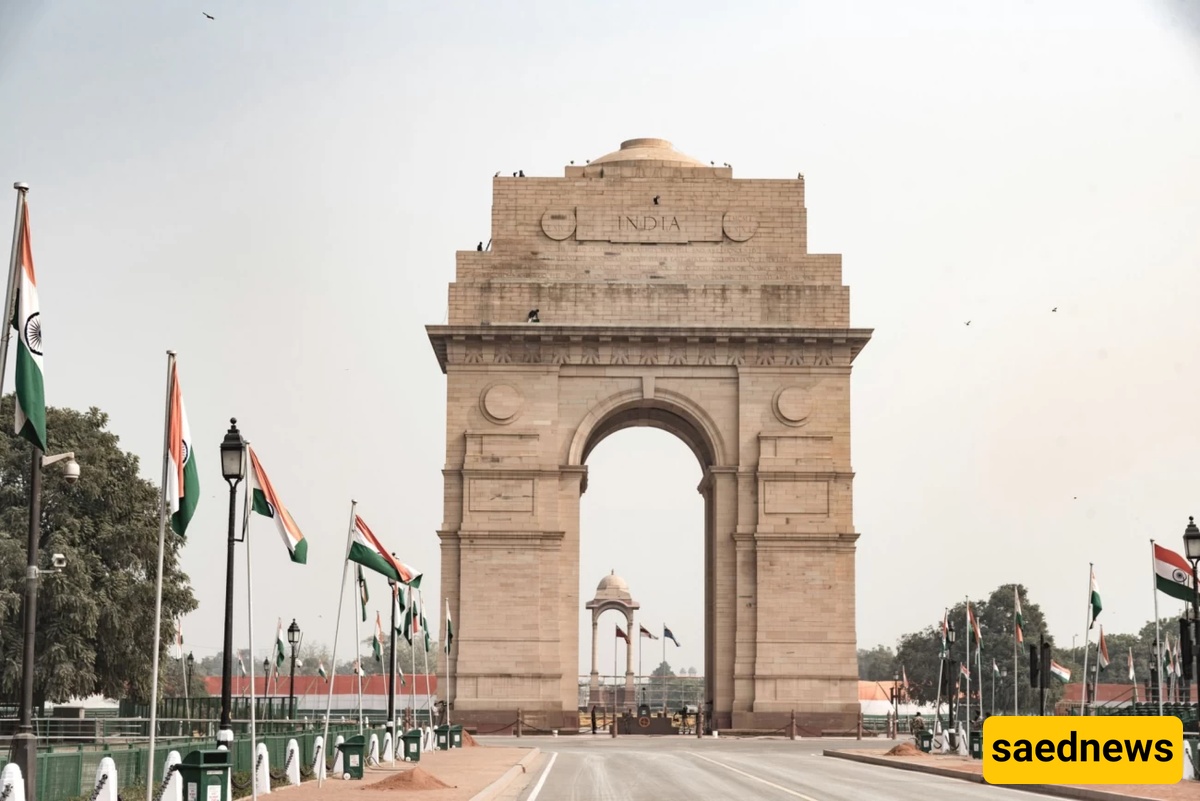
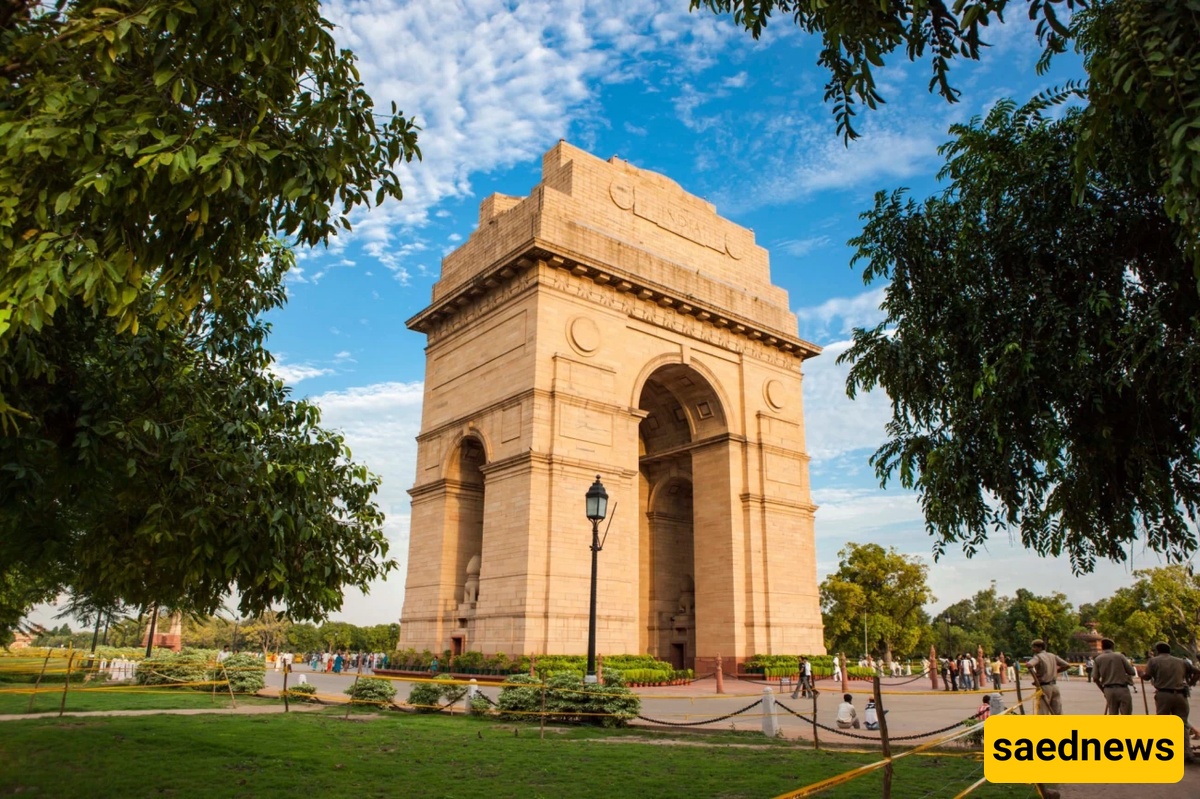
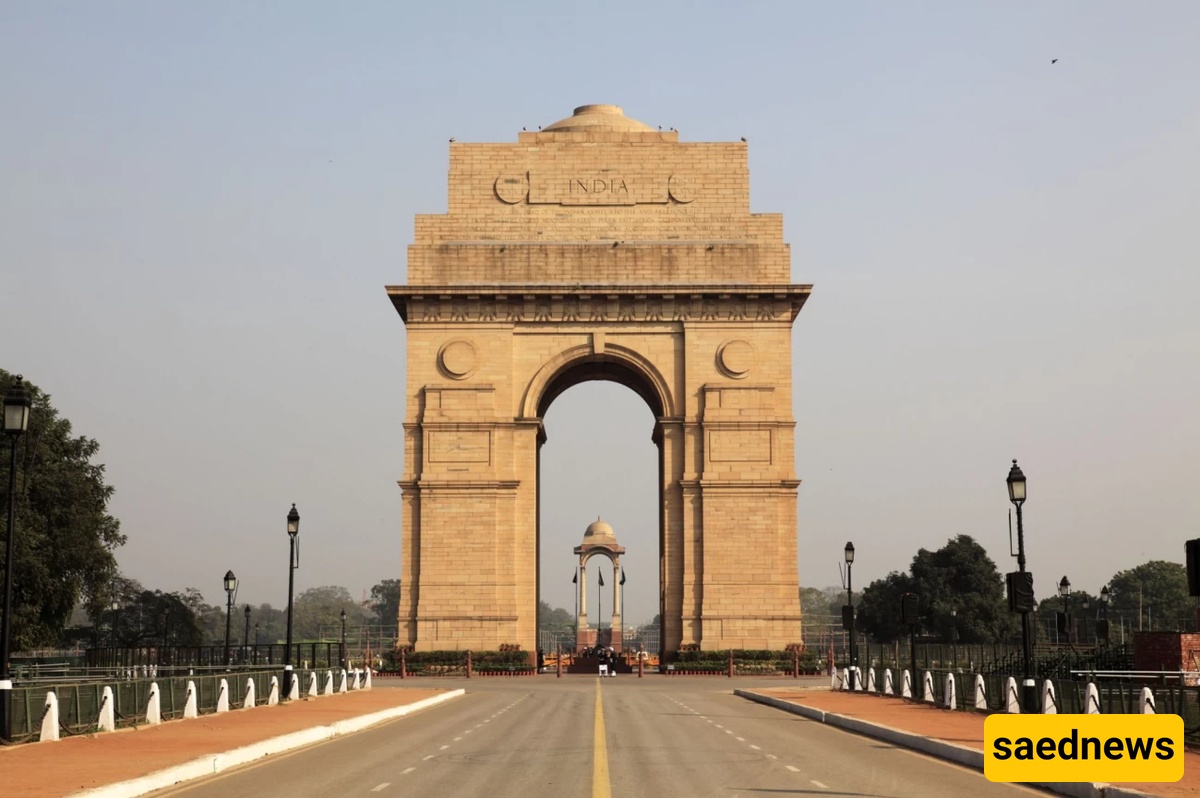
The Gateway of India in Mumbai and India Gate in New Delhi are two different monuments. The Gateway of India stands beside the Arabian Sea in South Mumbai and is strongly associated with the British colonial era and the departure of British troops from India. India Gate, meanwhile, is a war memorial located in New Delhi.
Despite their similar names, they have different histories, locations and architectural significance.