SAEDNEWS: The Picasso Museum is home to one of the largest collections of works by Pablo Picasso, the renowned Spanish artist of the 20th century. It is one of Barcelona’s most popular and most visited museums, comprising five adjoining medieval buildings.
According to Saednews, The Picasso Museum, officially known as the Museu Picasso Barcelona, is one of Spain’s most important museums dedicated to the work of Pablo Picasso. Located in the historic Gothic Quarter of Barcelona, the museum opened to the public on March 9, 1963.
The museum houses one of the most extensive collections of Picasso’s work, with more than 4,000 artworks. Its collection provides an exceptional insight into the artist’s early development and his deep connection with Barcelona.
Pablo Ruiz y Picasso was one of the most influential artists of the 20th century. He worked across numerous artistic disciplines, including painting, sculpture, printmaking, ceramics, drawing, poetry, and stage design. One of his greatest contributions to modern art was the development of Cubism, together with fellow artist Georges Braque.
The Picasso Museum is particularly significant because it focuses heavily on Picasso’s formative years and his relationship with Barcelona. Picasso first arrived in the city in 1895 and spent an important part of his youth and early artistic career there.
The museum allows visitors to follow his artistic development through a remarkable collection of paintings, drawings, engravings, ceramics, and other works. For art enthusiasts, students, and anyone interested in modern art, the museum offers an opportunity to examine Picasso’s ideas and artistic evolution firsthand.
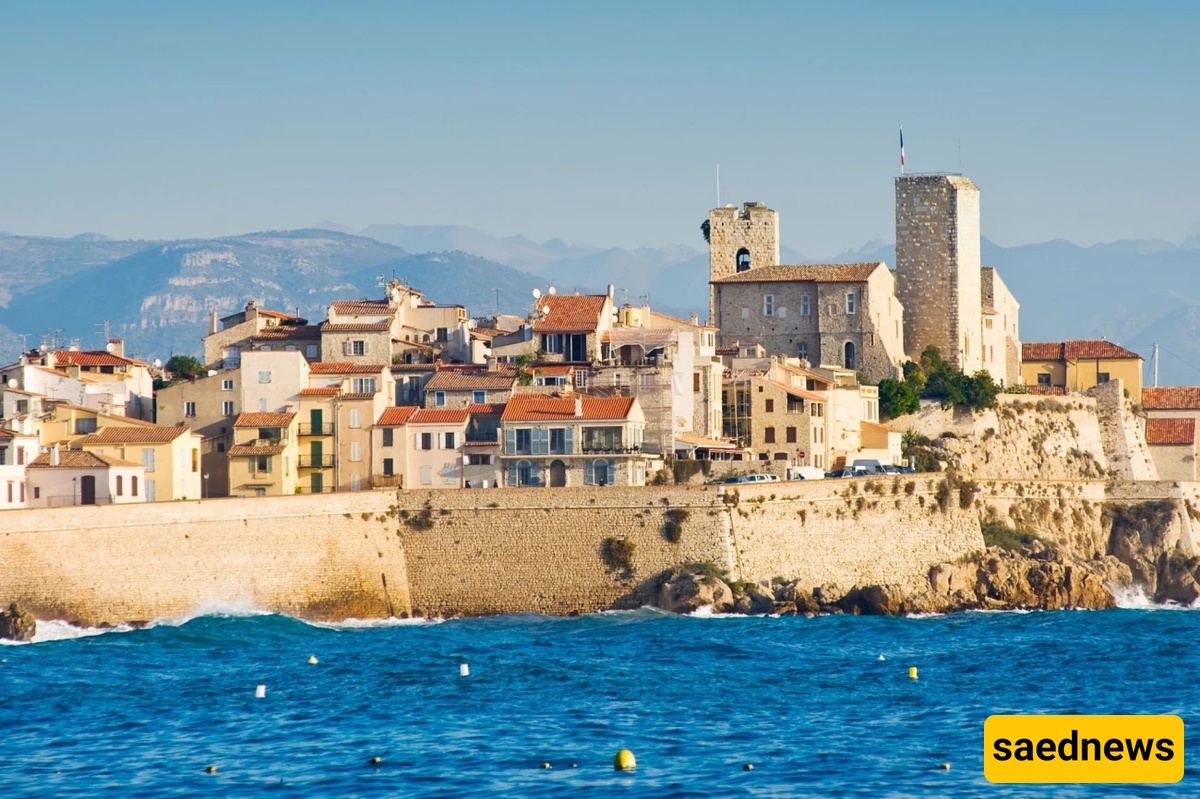
The museum is also located within five historic medieval palaces, making the architecture itself an important part of the experience. The buildings are interconnected and situated in the heart of Barcelona’s old city.
The museum opened its doors on March 9, 1963, initially under the name “Sabartés Collection.” The name referred to Jaume Sabartés, a close friend and longtime supporter of Picasso who had collected many of the artist’s works.
In 1970, Picasso donated approximately 920 works to the museum. This major contribution significantly expanded the collection and led to further development of the museum.
The museum’s history was also influenced by the political circumstances of Spain under Francisco Franco. Because of Picasso’s opposition to Franco’s regime, the institution was initially established under the name Sabartés Collection rather than directly using Picasso’s name. Later, Barcelona mayor Josep Maria de Porcioles ordered the museum to be renamed the Picasso Museum, despite opposition from the central government.
Major renovations were carried out in 1999, modernizing several areas and improving the museum’s exhibition facilities.
The Picasso Museum is housed in five historic palaces dating mainly from the medieval period. Their Gothic architecture offers visitors a glimpse into Barcelona’s past while providing a striking setting for Picasso’s work.
The five interconnected buildings are:
Aguilar Palace: The main building of the museum, dating back to the 13th century.
Baró de Castellet Palace: Located at number 17, this medieval palace forms part of the museum complex.
Meca Palace: Located at number 19, with origins dating to the 13th and 14th centuries.
Casa Mauri: Located at number 23, this historic building has connections to the Roman-era history of Barcelona and is used for temporary exhibitions.
Palau Finestres: Also located at number 23, this historic palace is another important part of the museum complex and is used for exhibitions.
Following the renovations, Casa Mauri and Palau Finestres became important spaces for temporary exhibitions, while the permanent collection is displayed primarily in Aguilar, Baró de Castellet, and Meca.
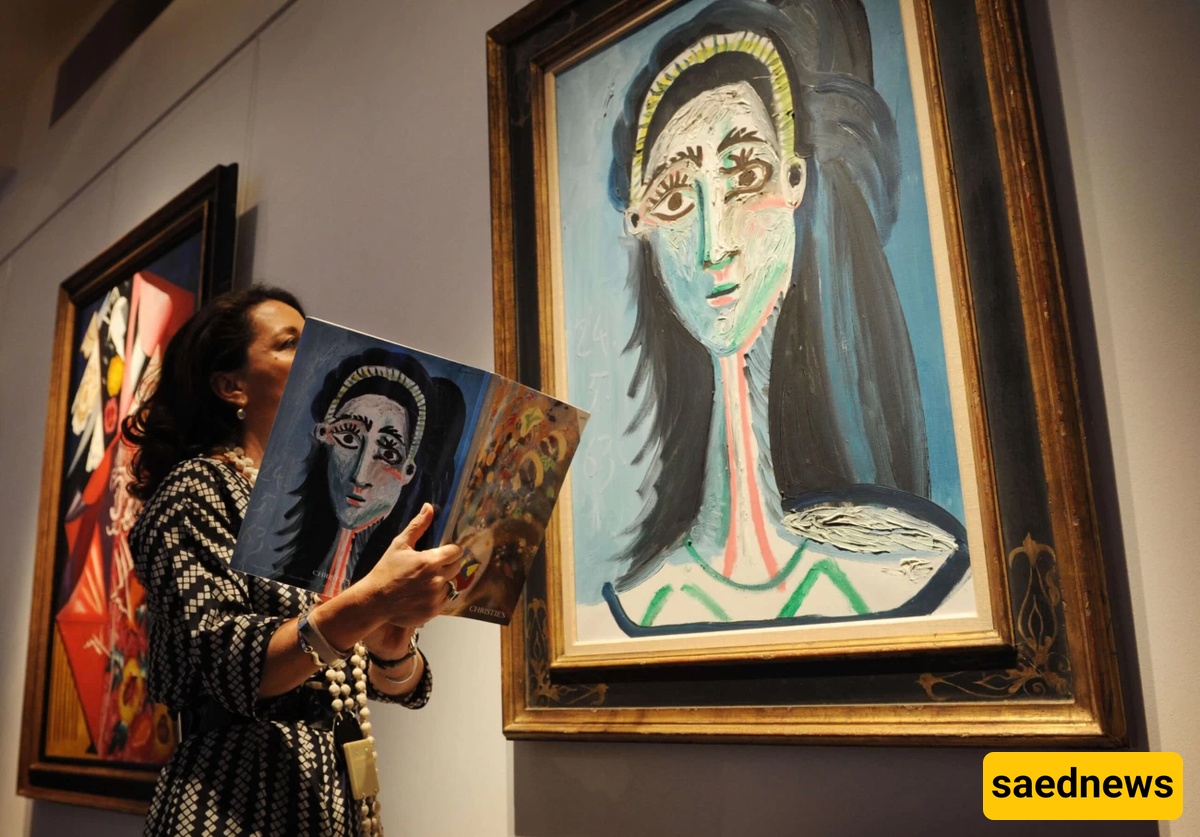
Pablo Picasso was among the most prolific and influential artists of the 20th century. Throughout his career, he produced thousands of works and experimented with numerous artistic techniques and styles.
Picasso was involved with many artists and writers of his time, including Henri Matisse, Gertrude Stein, and Max Jacob. However, one of his most important artistic collaborations was with Georges Braque.
Around 1909, Picasso and Braque worked together to develop Cubism, a revolutionary approach that changed the way artists represented objects and space. Rather than depicting subjects from a single traditional viewpoint, Cubist artists presented multiple perspectives and broke forms into geometric structures.
The term “Cubism” was associated with the French art critic Louis Vauxcelles, who commented on the artists’ use of cube-like forms. Picasso and Braque subsequently helped establish the style as one of the defining movements of modern art.
Picasso’s career is often divided into several major periods, including:
The Blue Period
The Rose Period
The African-influenced Period
Analytical Cubism
Synthetic Cubism
Each period reflects changes in Picasso’s artistic interests, techniques, subject matter, and approach to color and form. The Picasso Museum in Barcelona is especially valuable for understanding his early development and the transition between different stages of his career.
Barcelona played a fundamental role in Picasso’s artistic life. The city was where he spent his formative years and developed many of the ideas that shaped his early career.
The museum tells the story of Picasso before his permanent move toward Paris and illustrates his relationship with the city through its permanent collection. His works reveal not only his artistic evolution but also the influence of Barcelona and its cultural environment.
Visiting the museum therefore offers more than an opportunity to see famous paintings. It provides a visual account of the relationship between a young artist and the city that helped shape him.
The museum is generally open from Tuesday to Sunday, from 10:00 a.m. to 8:00 p.m., and is closed on Mondays.
It is also traditionally closed on certain public holidays, including:
January 1
May 1
June 24
December 25
December 26
Some dates may offer free admission or special access conditions. Opening hours, ticket prices, and free-admission policies can change, so visitors should check the museum’s official information before planning their visit.
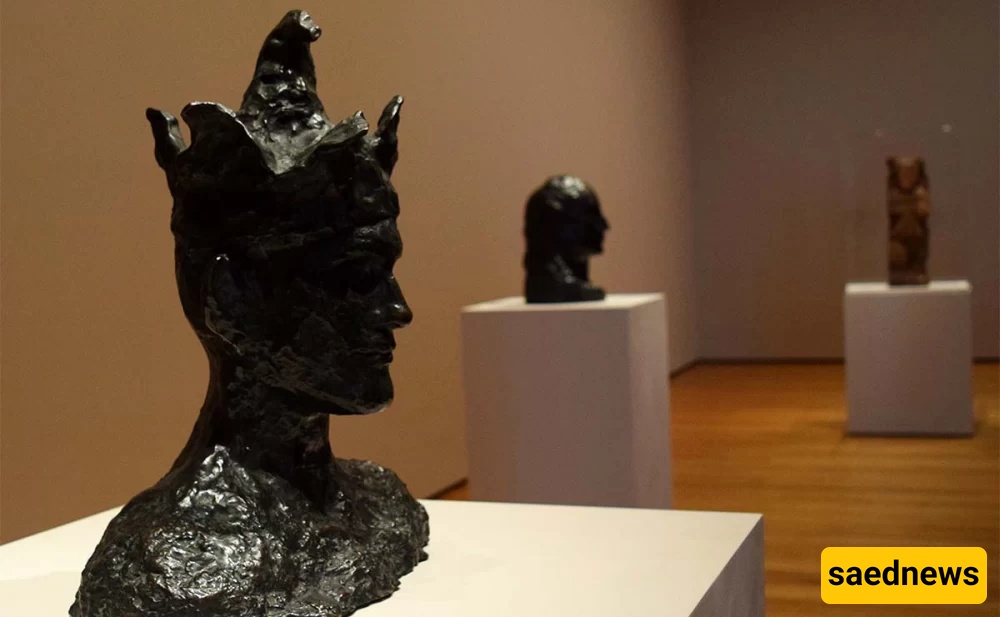
The Picasso Museum is an excellent destination for:
Art lovers and students
Visitors interested in modern art
People interested in Picasso’s early career
Architecture enthusiasts
Travelers exploring Barcelona’s Gothic Quarter
Anyone interested in the cultural history of Barcelona
Because the museum combines a major art collection with historic medieval architecture, it offers two distinct experiences in one location.
The Picasso Museum Barcelona is one of the most important museums devoted to Pablo Picasso and one of the city’s major cultural attractions. Located in five interconnected medieval palaces in Barcelona’s Gothic Quarter, the museum contains more than 4,000 works and provides an especially detailed look at Picasso’s early artistic development and his relationship with Barcelona.
From the history of the museum and its remarkable architecture to Picasso’s Blue and Rose periods and his groundbreaking collaboration with Georges Braque, a visit offers valuable insight into one of the most influential artists of the modern era.
For travelers interested in art, history, architecture, and Barcelona’s cultural heritage, the Picasso Museum is an essential stop in the city.