SAEDNEWS: The Prado Museum in Madrid, Spain, is one of the world’s most important art museums. It is renowned for its extensive collection of European art from the 12th to the early 19th century, originally based on Spain’s royal collection.
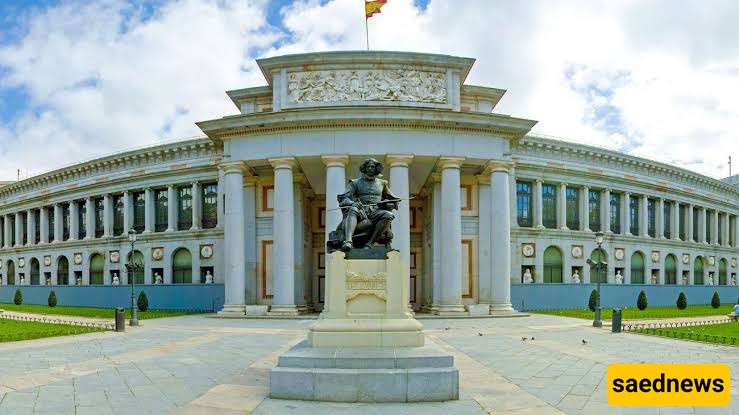
According to Saednews, The Prado Museum in Madrid is one of Spain’s greatest cultural landmarks and home to one of Europe’s finest collections of paintings. Its most celebrated artists include Francisco Goya, Diego Velázquez, and Peter Paul Rubens, while masterpieces by Titian, Hieronymus Bosch, El Greco, Raphael, Albrecht Dürer, and Fra Angelico add even greater depth to the collection.
A visit to the Prado can easily become overwhelming because of its enormous size. Without a plan, visitors may find themselves wandering from room to room and passing some of the world’s greatest masterpieces too quickly. Understanding the museum’s highlights can make the experience far more rewarding.
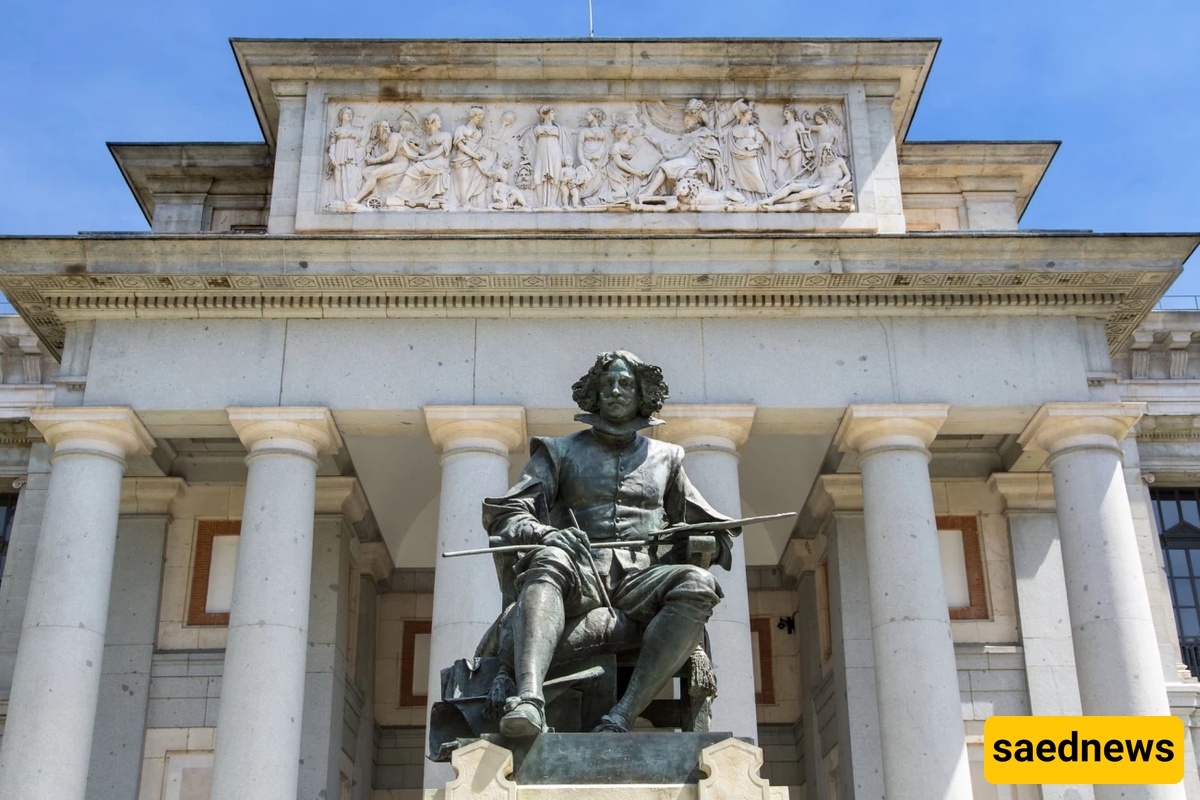
The Prado has increasingly made its collection accessible through digital programming. The museum has offered live presentations on Instagram and Facebook, allowing viewers to explore individual masterpieces and exhibitions from home. Virtual tours have also introduced visitors to important galleries, including spaces dedicated to Velázquez and other major artists.
Among the museum’s most fascinating works is Bosch’s famous triptych, The Garden of Earthly Delights. Bosch presents an extraordinary world filled with strange creatures, temptation, human desire, and unsettling imagery. The painting has inspired centuries of debate because very little is known about the artist’s life, education, or patrons.
Because few written records by Bosch survive, interpreting his paintings remains difficult. Art historians have spent centuries studying the symbols in his works. The strawberries appearing throughout the central panel, for example, have been interpreted as possible symbols of love and temptation.
Despite its unusual subject matter, The Garden of Earthly Delights was highly regarded in its own time. Evidence suggests that it was displayed in prominent settings, while tapestries and copies based on Bosch’s work were produced. Artists such as Pieter Bruegel the Elder were influenced by his style, and Bosch later became an important influence on the Surrealist movement.
The triptych contains another fascinating feature: when its outer panels are closed, the viewer sees an entirely different image.
Another masterpiece of the Prado is Las Meninas, one of the most mysterious and important paintings in European art. Often described as the Prado’s equivalent of the Mona Lisa, it remains the subject of extensive artistic and historical debate.
Édouard Manet famously admired Velázquez and considered the artist reason enough to visit the Prado. The title Las Meninas refers to the young ladies-in-waiting surrounding the Spanish princess.
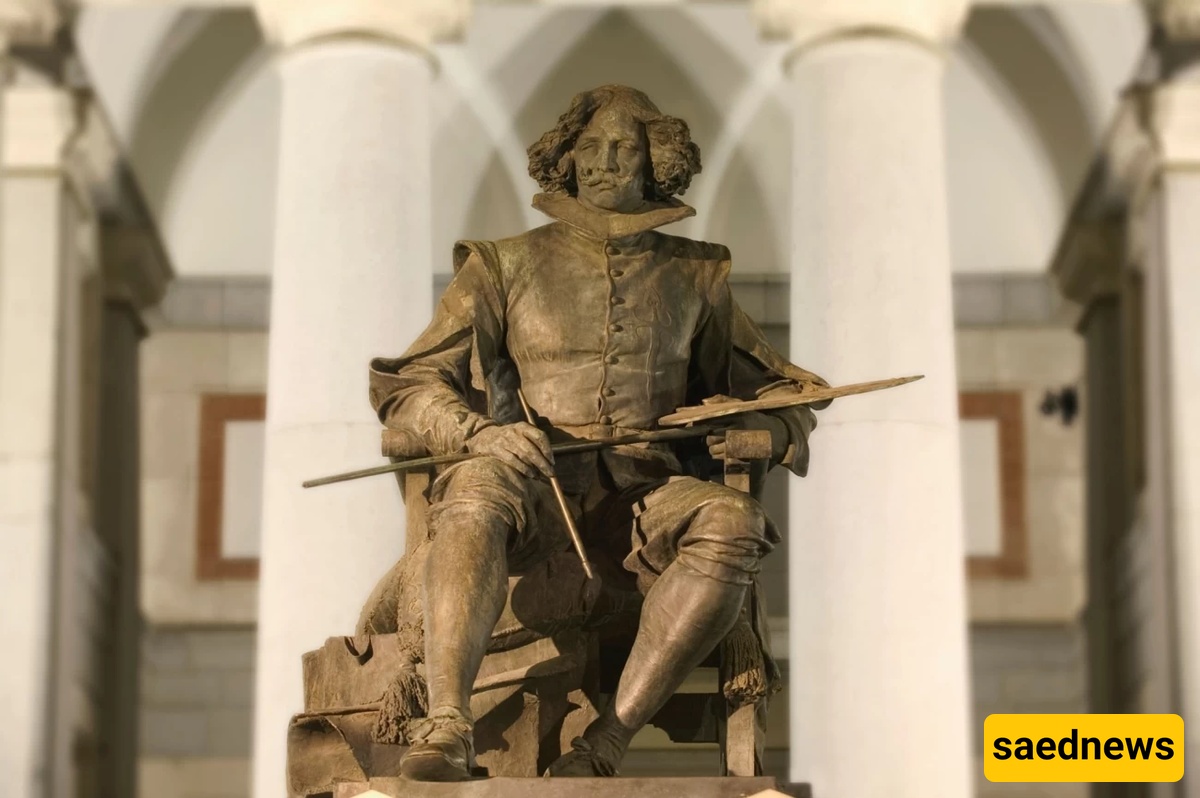
Velázquez served as court painter to Philip IV, the Spanish monarch and renowned patron of the arts. Throughout his career, he painted numerous members of the royal family, but Las Meninas stands apart from conventional royal portraits.
The composition includes the young princess, her attendants, a dwarf, a nun, Velázquez himself, and the king and queen reflected in a mirror in the background. The unusual arrangement creates the impression that the viewer has entered the royal studio.
Art historians continue to disagree about exactly what the painting represents. It has been interpreted as a self-portrait, a royal portrait, or a depiction of an apparently spontaneous moment in Velázquez’s studio.
Velázquez was a master of light, shadow, and perspective. The complex arrangement encourages viewers to question who is looking at whom and where they themselves stand in relation to the scene.
Francisco Goya’s works at the Prado offer some of the museum’s most powerful images. His paintings were deeply affected by the violence and political upheaval that Spain experienced during the Napoleonic period.
In 1808, Napoleon invaded Spain and placed his brother Joseph on the Spanish throne. On May 2, Spanish citizens rebelled, and the following day French forces carried out mass executions.
The violence had a profound impact on Goya. He created two major paintings commemorating the events: The Second of May 1808 and The Third of May 1808.
The Third of May 1808 is widely regarded as Goya’s most famous work and one of the Prado’s greatest masterpieces. Rather than presenting war as heroic, Goya emphasizes its brutality and the suffering of ordinary people.
At the center of the composition, a frightened man raises his arms as he faces an anonymous firing squad. The dramatic lighting draws attention to his vulnerability and transforms the scene into a powerful statement against violence and war.
The painting was considered exceptionally raw and disturbing when it was created and was reportedly placed in storage for decades. Its emotional intensity later influenced artists including Édouard Manet and Pablo Picasso.
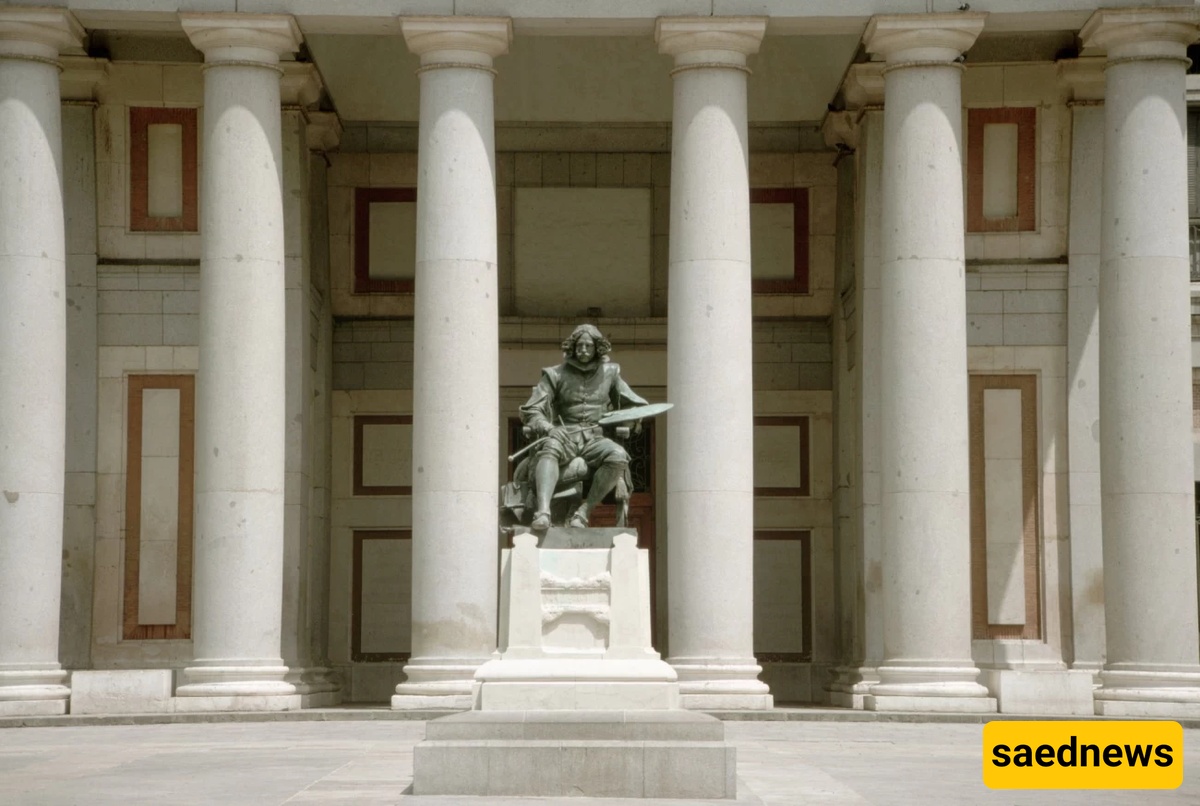
Raphael was one of the great masters of the Italian Renaissance, alongside Leonardo da Vinci and Michelangelo. Although many of Raphael’s most famous works are in the Vatican, the Prado also houses several important examples.
Raphael was renowned for creating figures that appeared exceptionally lifelike. One of the museum’s notable portraits has traditionally been associated with Cardinal Giovanni Alidosi, although its exact subject remains uncertain.
The sitter’s strong expression and vivid clothing give the portrait a distinctive character. Alidosi was known as a powerful and sometimes ruthless figure, and Raphael’s portrayal may reflect something of that personality.
Albrecht Dürer was a leading figure of the Northern Renaissance. Born in Nuremberg, he combined the detailed precision of Northern European art with Renaissance ideas about perspective, proportion, and human anatomy.
Dürer became particularly famous for his prints, which brought him considerable recognition. His commissioned portraits, however, provided an important source of income during his lifetime.
One of the Prado’s Dürer works is a self-portrait from a series of three. Dürer had a strong sense of his own artistic ability, and his self-portraits often project confidence and status.
In this painting, he presents himself as an elegant and distinguished gentleman wearing luxurious clothing. His carefully rendered hair is particularly striking and demonstrates the extraordinary precision associated with his work.
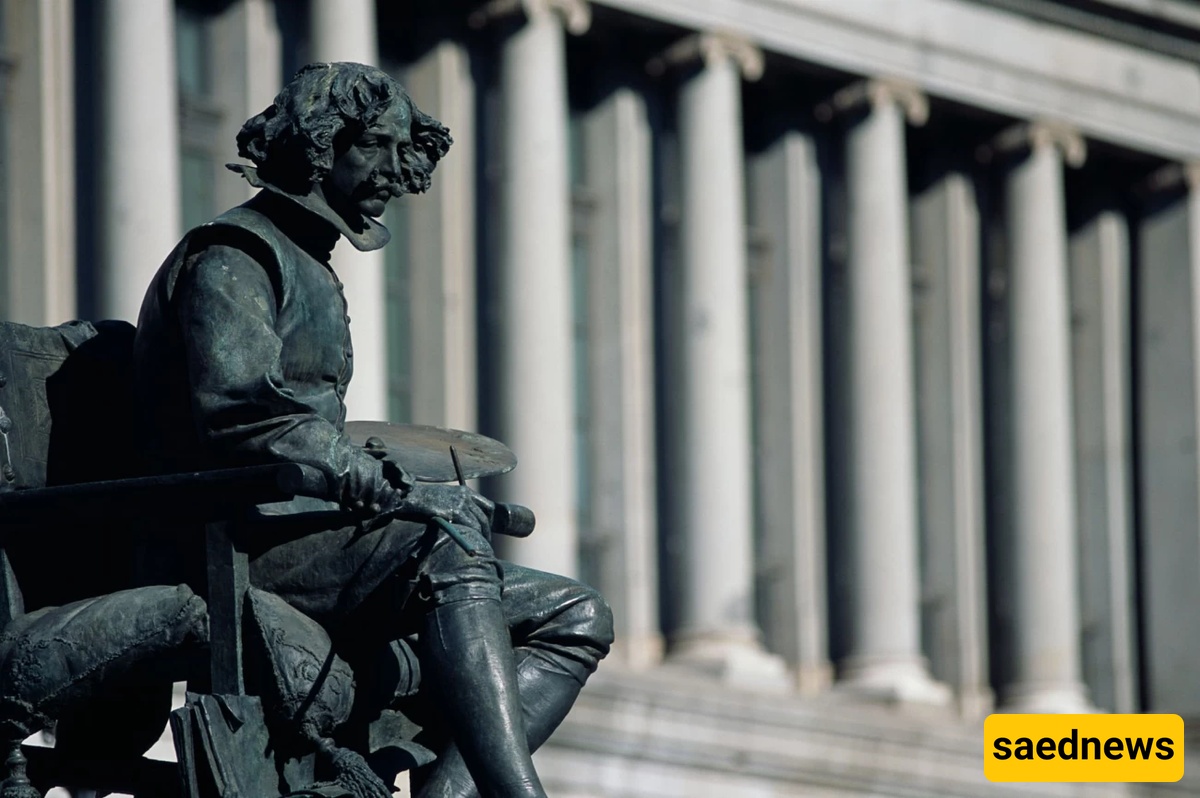
Fra Angelico’s beautiful The Annunciation was originally created as an altarpiece for the Dominican monastery of San Domenico near Florence. It is regarded as an important example of early Florentine Renaissance painting.
Fra Angelico was a Dominican friar who played an important role in the development of Italian Renaissance art. He combined delicate decorative details with a carefully organized sense of space to communicate religious subjects.
The composition presents two related scenes. On the left, Adam and Eve are shown being expelled from Paradise. On the right, the Archangel Gabriel bows before the Virgin Mary and announces that she will give birth to Christ.
The painting underwent extensive restoration before the Prado’s major 2019 exhibition devoted to Fra Angelico and the emergence of the Florentine Renaissance. The restoration revealed brighter colors and stronger light that had been concealed beneath accumulated dirt and pollution.
El Greco’s The Nobleman with His Hand on His Chest demonstrates the artist’s distinctive approach to portraiture. Rather than simply reproducing the physical appearance of his subjects, El Greco transformed their forms through an intensely personal artistic style.
Initially influenced by Renaissance masters, El Greco soon embraced the emerging Mannerist movement. Mannerist artists moved away from strict imitation of nature and explored exaggerated forms, psychological expression, and the inner world of their subjects.
El Greco’s elongated figures and expressive faces are characteristic of this approach. His portraits often appear more dramatic and abstract than those of many of his contemporaries. Because of this expressive quality, El Greco is sometimes regarded as an important precursor to later Expressionist art.
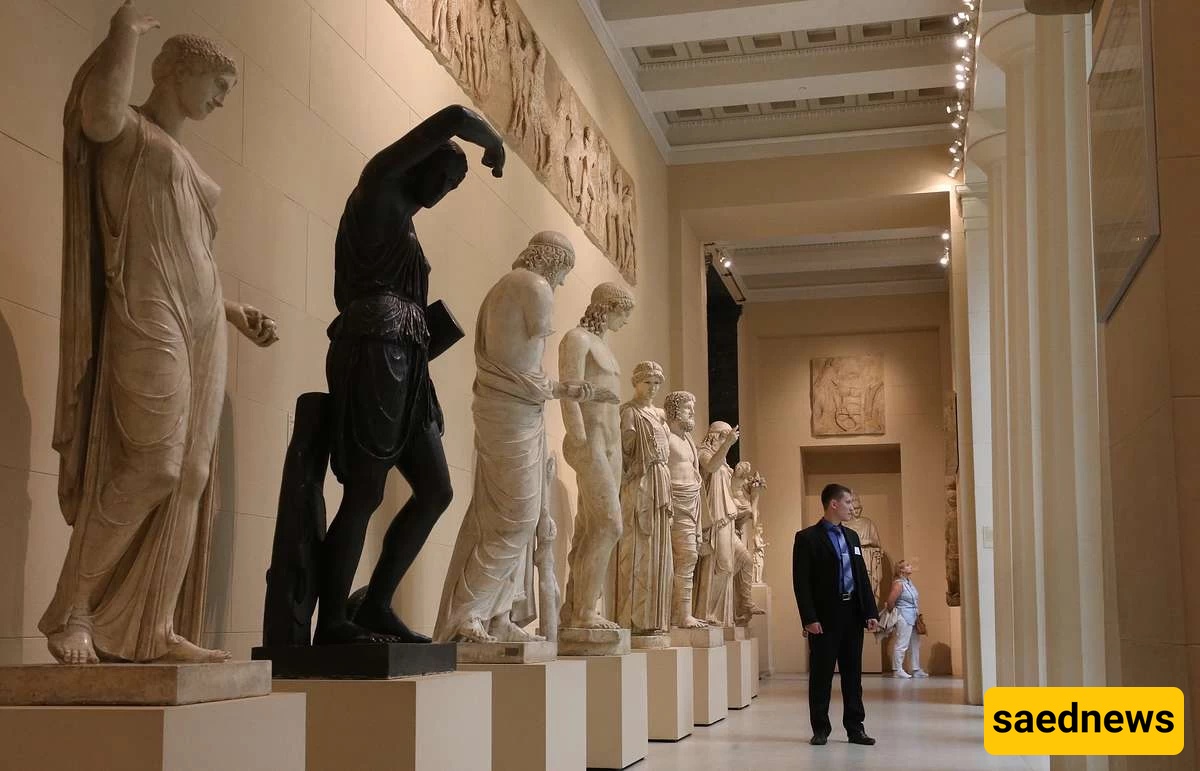
The Prado is far too extensive to experience fully in a single casual visit. A focused itinerary is the best way to appreciate its masterpieces. Visitors interested in Spanish art should prioritize Velázquez and Goya, while those fascinated by Renaissance and Northern European painting should make time for Raphael, Dürer, Fra Angelico, Bosch, and El Greco.
Rather than trying to see every gallery, spend time with a smaller number of major works. Paintings such as The Garden of Earthly Delights, Las Meninas, The Third of May 1808, The Annunciation, and El Greco’s portraits reveal the remarkable range of the collection.
The Prado is more than a museum filled with famous paintings. It offers a journey through centuries of European art, from the spiritual imagery of the Renaissance to the psychological intensity and political realism of Goya and El Greco. For anyone visiting Madrid, the Prado remains one of the city’s essential cultural experiences.