SAEDNEWs: Ise Jingu in Japan is one of the country’s most remarkable and revered temples, holding a particularly special place in the hearts of the Japanese people.
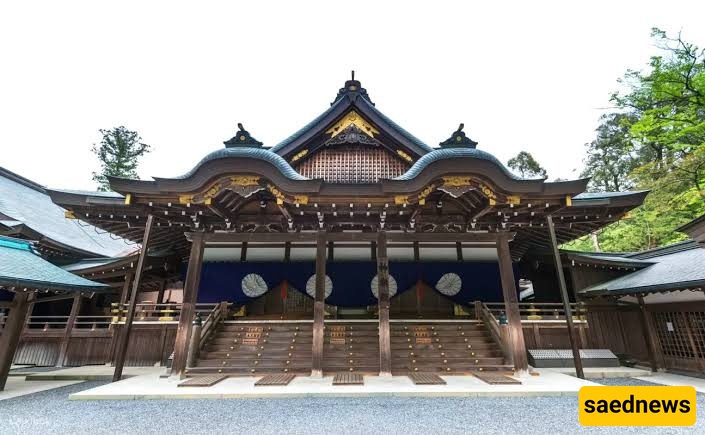
According to Saednews, Ise Grand Shrine is one of the most important and sacred sites in the Shinto religion.
Japan is an island nation with a long and fascinating history. Over the years, the country has worked continuously toward growth, development, and modernization. Alongside its modern achievements, Japan is home to a wide range of religious traditions and historic temples and shrines, many of which feature distinctive architectural styles. Ise Grand Shrine is one of the country’s most remarkable sacred sites and is highly popular among visitors.
One of the most unusual features of Ise Grand Shrine is that its buildings are completely rebuilt every 20 years.
Shinto, meaning “the way of the gods,” is an ancient Japanese religious tradition that dates back thousands of years. Shinto centers on the worship of kami, sacred spirits or divine forces believed to exist in nature, places, ancestors, and other aspects of life.
Amaterasu, the sun goddess, holds a particularly important position in Shinto tradition. She is regarded as the guardian deity of Japan and is traditionally considered the ancestral deity of the Japanese imperial family.
Shinto emphasizes living in harmony with the kami and honoring the traditions and ancestors that connect individuals, families, communities, and the nation.
Ise Grand Shrine is dedicated primarily to Amaterasu.
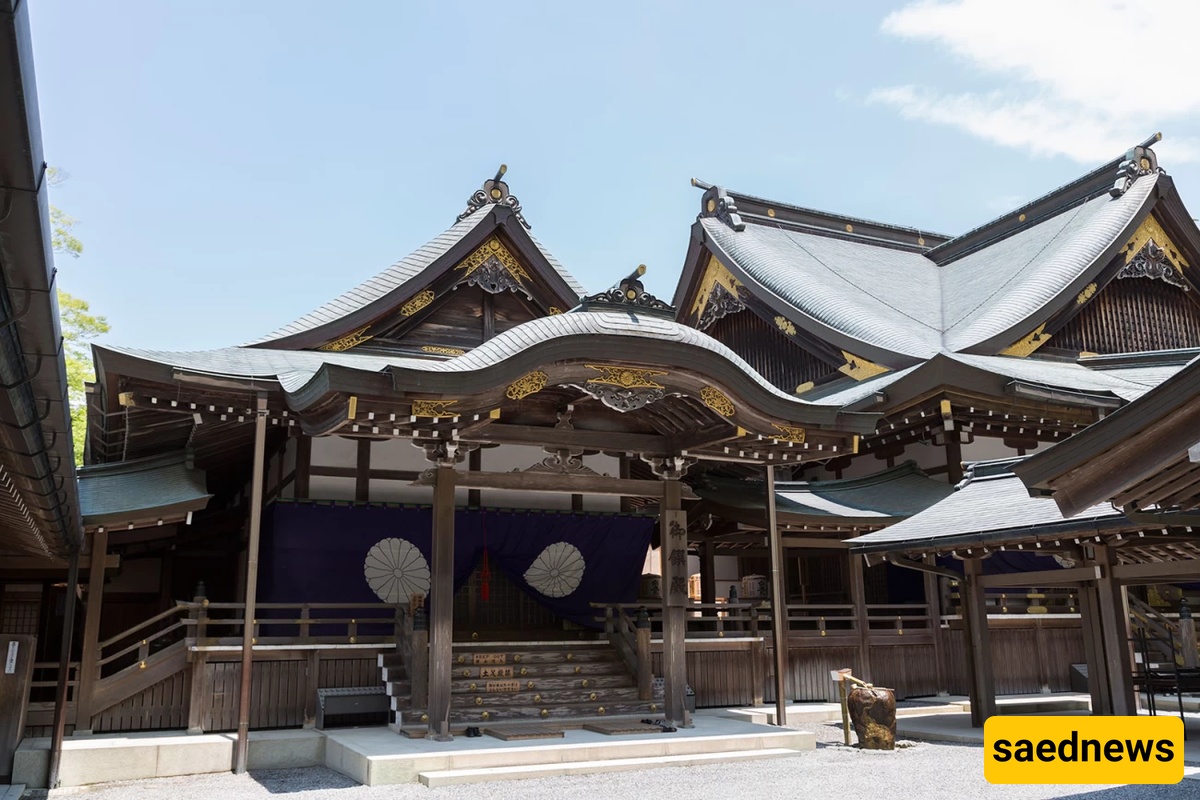
Shinto places of worship are generally known as jinja, or Shinto shrines. Unlike religious buildings that are primarily designed for preaching or teaching, Shinto shrines are sacred places dedicated to one or more kami. They provide a setting where people can honor and worship these sacred beings according to Shinto traditions.
Many elements associated with traditional Shinto architecture, including shrine buildings, bridges, and gates, are maintained according to ancient customs. At Ise Grand Shrine, the central shrine buildings are reconstructed every 20 years as part of a traditional ceremony known as Shikinen Sengu.
Ise Jingu, also known as Ise Grand Shrine, is one of the most important and sacred Shinto shrines in Japan. It is located in Ise City, Mie Prefecture, and has exceptional cultural, spiritual, and historical significance.
The shrine is dedicated to Amaterasu, the sun goddess who is traditionally regarded as the ancestral deity of the Japanese imperial family and one of the most important divine figures in Japanese tradition.
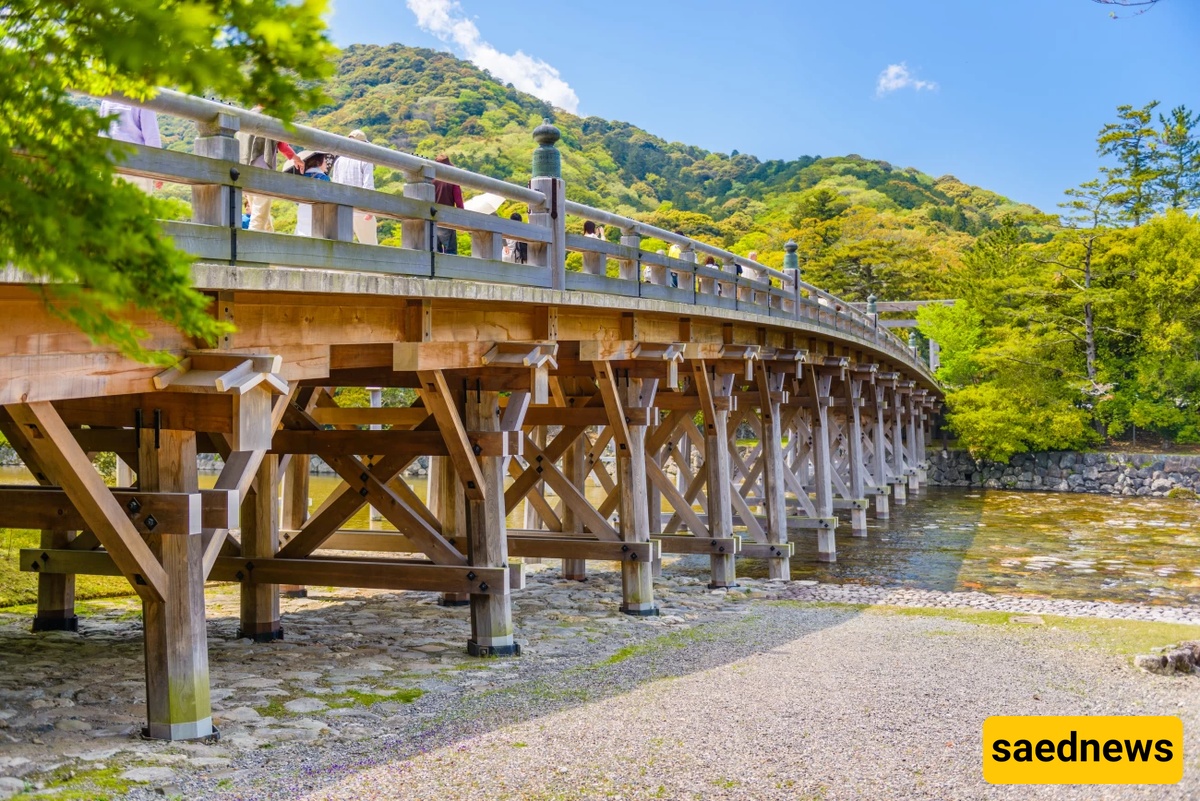
Ise Grand Shrine consists of two principal shrine complexes: Naiku, the Inner Shrine, and Geku, the Outer Shrine.
Naiku is dedicated to Amaterasu and is considered the most sacred part of the shrine complex. Geku is dedicated to Toyouke Omikami, a deity associated with food, agriculture, and industry.
The Inner Shrine has ancient origins, while the Outer Shrine was established later. Together, they form the spiritual heart of Ise Jingu.
The shrine buildings are traditionally constructed from wood and are rebuilt every 20 years using ancient Japanese architectural techniques. This rebuilding process is known as Shikinen Sengu.
Traditional Shinto gates, known as torii, are also an important feature of the shrine grounds and are generally constructed from wood.
One of the shrine's religious officials has described Ise as a spiritual home for the Japanese people. The area is surrounded by beautiful natural scenery, including forests, mountains, and the Isuzu River.
Large sections of the shrine grounds are restricted to the general public. Certain areas are accessible only to specially authorized individuals, and some of the most sacred spaces have extremely limited access.
Every year, millions of pilgrims and visitors travel to Ise Jingu. Many come to pray for prosperity, success, blessings, good fortune, and spiritual guidance.
The shrine is particularly admired for its peaceful atmosphere and natural surroundings. Its sacred buildings are located among dense forests near the Isuzu River, creating an environment that combines spirituality with the beauty of the Japanese landscape.
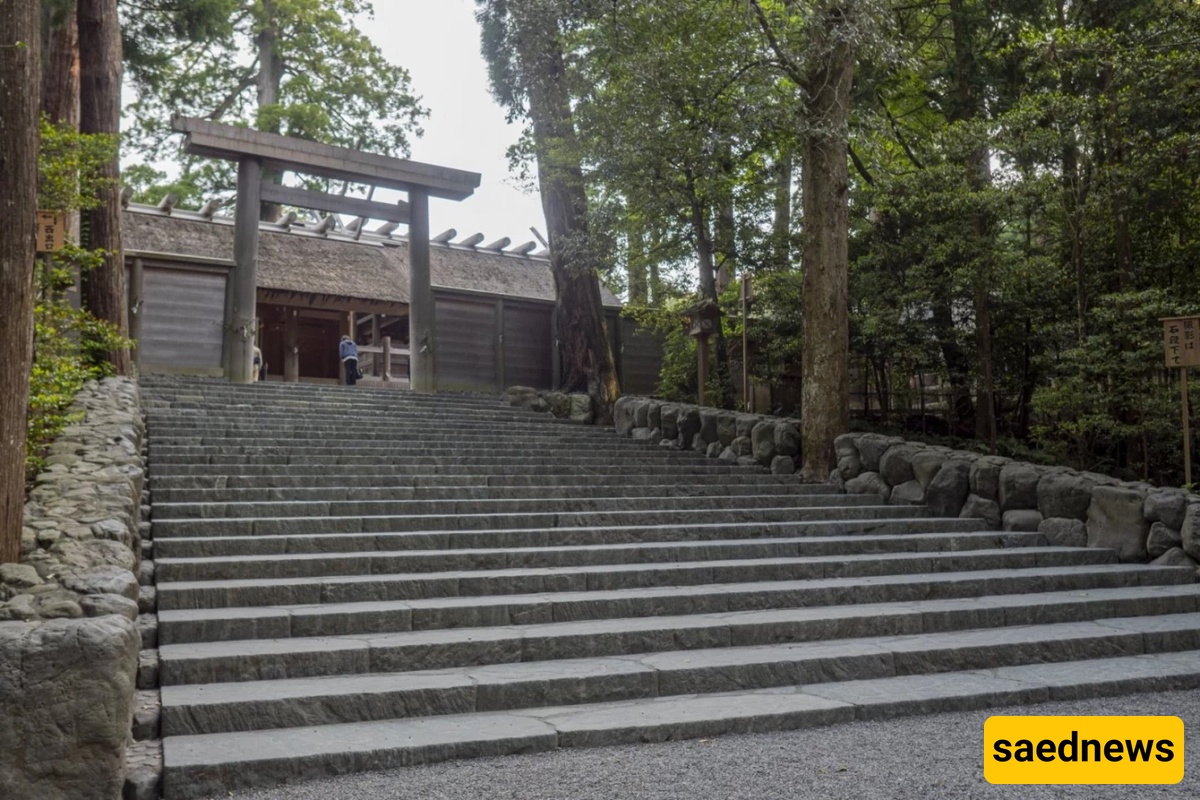
The festivals and annual ceremonies held at Ise Jingu are deeply rooted in Japanese culture and tradition. These practices have helped preserve the shrine's importance as one of Japan's most significant cultural and spiritual heritage sites.
Visitors can experience the quiet atmosphere of Ise Grand Shrine while learning about ancient Japanese beliefs, rituals, architecture, and traditions.
Before visiting Ise Jingu, it is important to understand and follow the shrine's customs and rules. Visitors should observe proper etiquette, dress appropriately, and avoid taking photographs in areas where photography is prohibited.
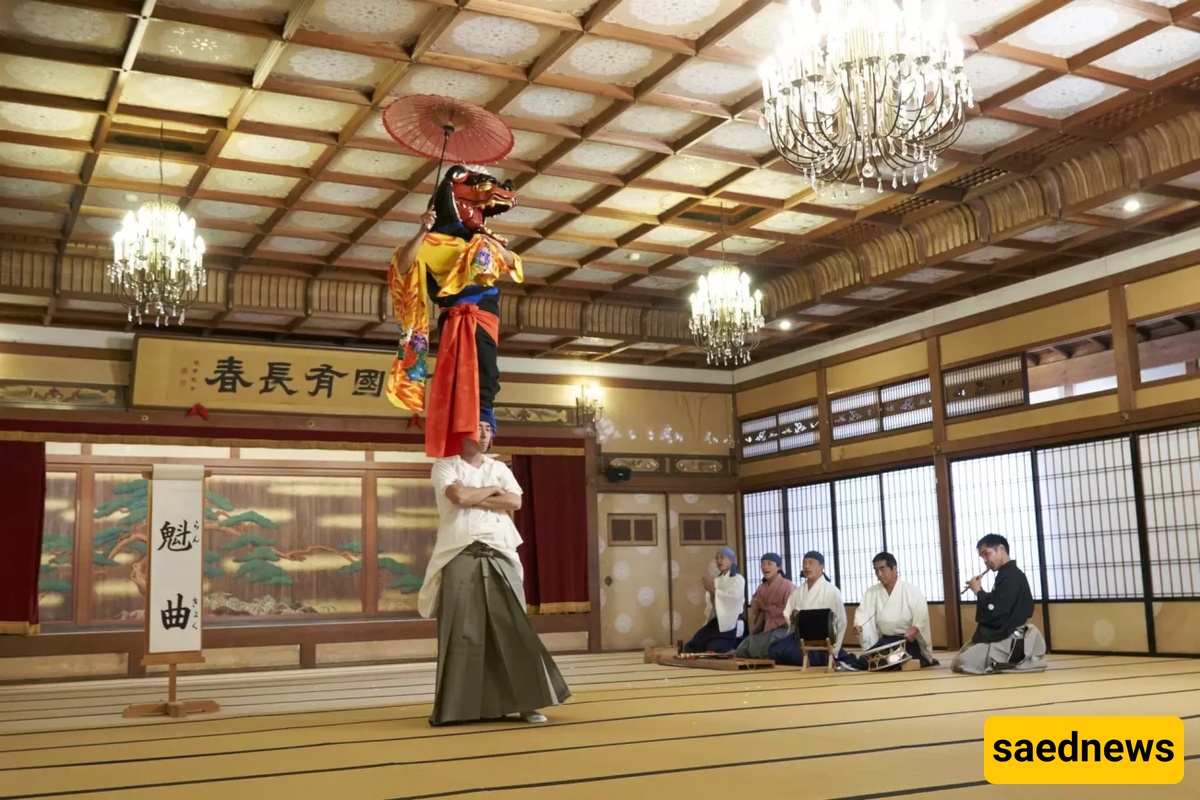
As one of Japan's most sacred places, Ise Jingu holds a special position in the hearts of many Japanese people. Visitors are therefore expected to behave respectfully and appreciate the spiritual significance of the shrine during their visit.