SAEDNEWS: Kinkaku-ji, or the Golden Pavilion Temple, is located in Kyoto. With its stunning architecture and eventful history, it is one of Japan’s most important cultural landmarks and attracts thousands of visitors every year.
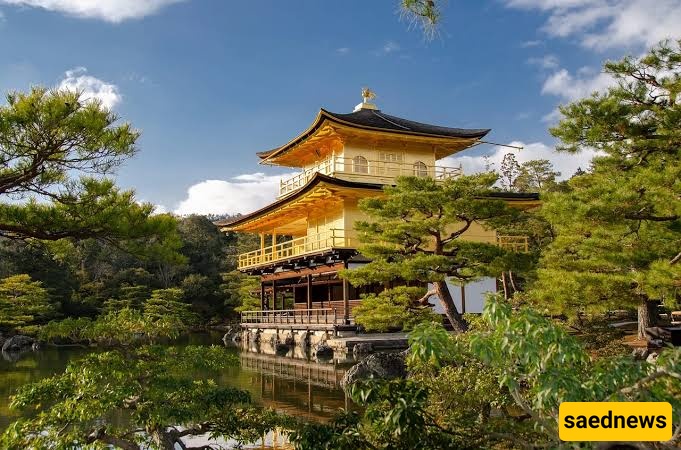
According to Saednews, Japan, a land of rich cultures and ancient history, has always been an attractive destination for tourists and history enthusiasts. One of its most remarkable attractions is Kinkaku-ji Temple in Kyoto. With its breathtaking beauty and unique architecture, this temple attracts thousands of visitors every year. In this article, we will explore the history, architecture, and attractions of Kinkaku-ji, and the reasons why it is regarded as one of the most important cultural symbols of Japan.
Kinkaku-ji, also known as the Golden Pavilion, was built in 1397 AD by order of the shogun Ashikaga Yoshimitsu. Initially, it was designed as a retirement villa for the shogun, serving as a place for rest and leisure. After Yoshimitsu’s death, the building was converted into a Zen Buddhist temple and became a sacred site.
Throughout its history, Kinkaku-ji has faced several challenges. In 1950, the temple was destroyed in a devastating fire. However, reconstruction began in 1955, carefully restoring it to reflect its original architectural style. Today, it stands in its renewed form, preserving its historical essence.
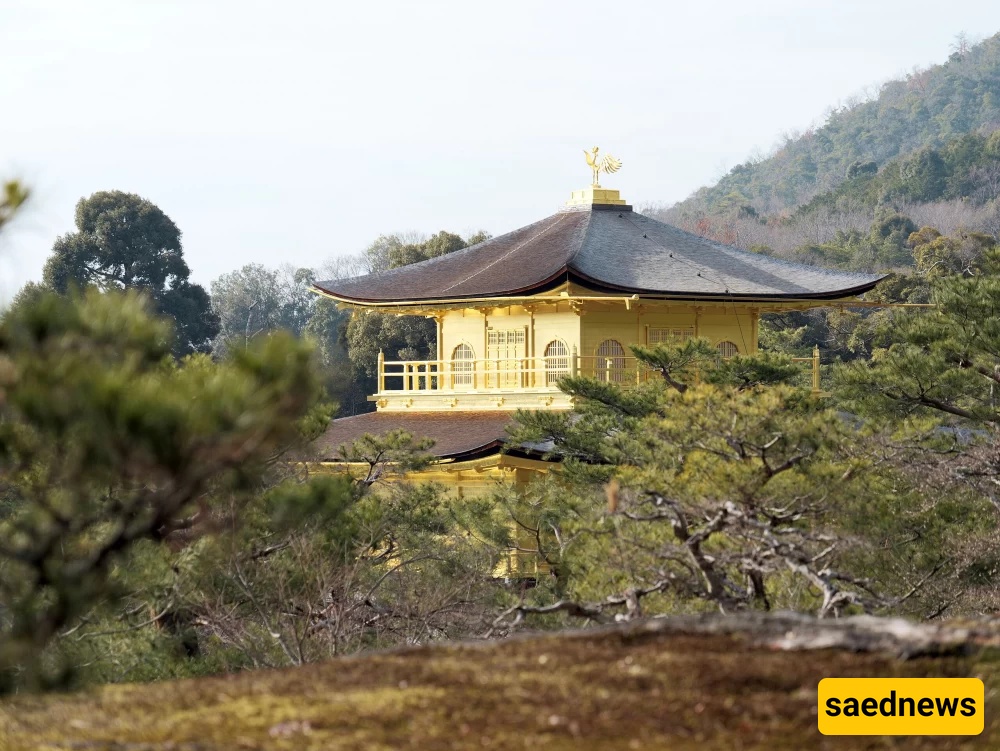
Kinkaku-ji is considered one of the finest examples of Japanese architecture. The temple is located beside a beautiful pond and is surrounded by lush gardens and scenic natural landscapes. The structure consists of three floors, each representing different elements of Buddhist philosophy.
The first floor, known as the Golden Hall, is built in traditional Japanese residential style. It is covered with gold leaf and reflects the material and earthly aspects of life. Inside, there is a statue of Buddha that attracts visitors’ attention.
The second floor represents peace and spiritual reflection. It is designed in a traditional samurai-style architecture and serves as a space for meditation and contemplation, emphasizing tranquility and inner balance.
The third floor reflects a more Zen-inspired architectural style and symbolizes deeper Buddhist philosophy and enlightenment. From this level, visitors can experience a symbolic connection between heaven and nature.
Beyond its stunning architecture, Kinkaku-ji offers several other attractions that captivate visitors.
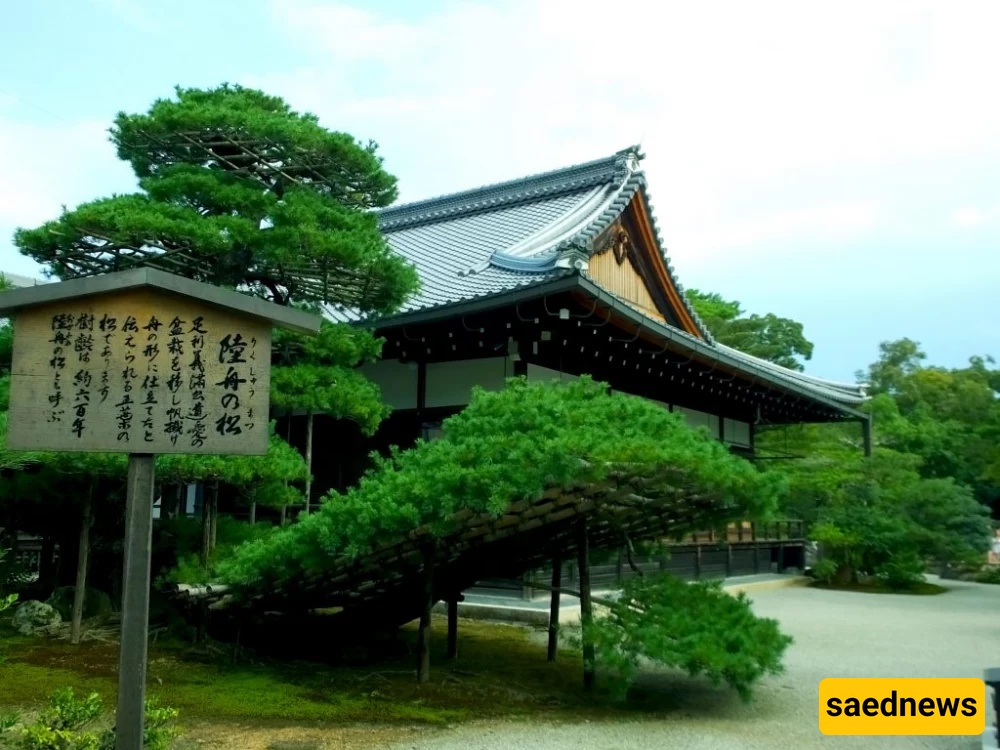
The surrounding gardens are carefully designed based on traditional Japanese landscape principles. Pine trees, tea plants, and other native species are artistically arranged, creating a peaceful natural setting ideal for relaxation and reflection.
The large pond in front of the temple plays a central role in its design. It reflects the golden structure beautifully, especially during different seasons. In autumn, the surrounding trees turn vibrant shades of red and orange, creating a spectacular view.
Inside the temple complex, there are Buddhist statues representing important spiritual figures. These sculptures enrich the cultural and religious significance of the site and offer visitors a deeper understanding of Zen Buddhism.
Kinkaku-ji Temple is not only a stunning architectural masterpiece but also a powerful cultural and historical symbol of Japan. With a history marked by transformation and restoration, it continues to stand as a major tourist attraction. Its natural beauty, precise design, and peaceful atmosphere provide visitors with a profound experience of Japanese culture and philosophy. A visit to Kinkaku-ji is truly unforgettable, leaving lasting impressions on every traveler.