SAEDNEWS: The Caucasus Mountains stretch 1,200 kilometers between the Black Sea and the Caspian Sea, connecting Europe and Asia. The region covers 440,000 square kilometers, from western Russia to the borders of Turkey and Iran.
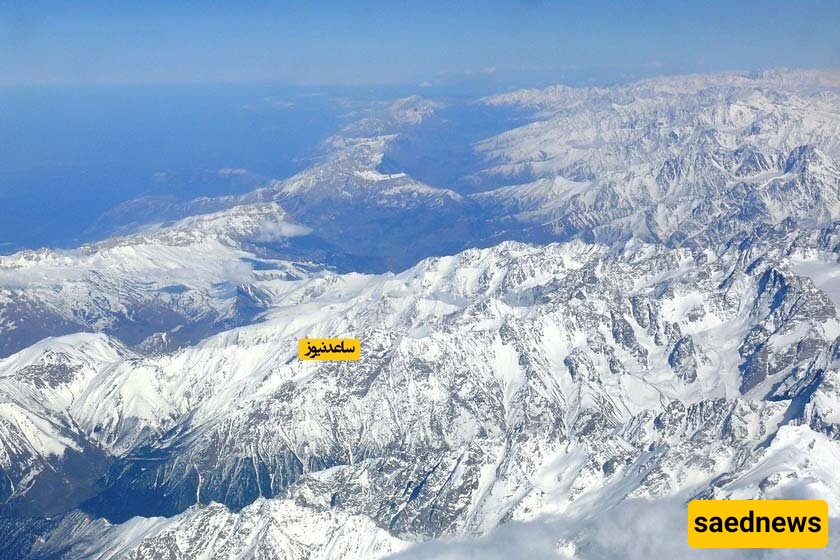
According to Saed News Tourism Service, the Caucasus Mountains are a major mountain range located between the Black Sea and the Caspian Sea in the Caucasus region. The range is divided into two main sections: the Greater Caucasus and the Lesser Caucasus. It stretches across several countries, including Russia, Georgia, Azerbaijan, Armenia, and Turkey.
The mountains begin in southern Russia near the Black Sea and extend toward the Absheron Peninsula in Azerbaijan on the Caspian Sea coast. The Caucasus consists of two separate mountain systems:
Greater Caucasus Range
Lesser Caucasus Range
A relatively lower passage separates these two ranges, passing through northern Azerbaijan and Georgia. The Greater Caucasus contains Mount Elbrus, the highest peak in Europe, standing at 5,643 meters. The Lesser Caucasus forms an arc between Azerbaijan and Armenia.
One of the main reasons the Caucasus is becoming popular among nature lovers is its untouched wilderness. The region still contains many unexplored landscapes, remote valleys, and hidden trails. Unlike many other countries where hiking and outdoor activities are common among local communities, people in the Caucasus traditionally have practiced less recreational trekking, which has helped preserve the natural beauty of the area.
However, with the growth of tourism, new hiking routes are gradually being developed. Despite this progress, many trails remain wild, remote, and adventurous. Most hiking routes in Georgia lead toward the northern borders, offering several days of trekking through the heart of the Caucasus Mountains.
Azerbaijan also offers many unknown and pristine hiking opportunities. Travelers can discover ancient villages, traditional lifestyles, and historic mountain settlements along the way.
From Baku, visitors can travel north to Quba, a region located on the northeastern slopes of Mount Shahdag at an altitude of about 600 meters. Quba, with a population of more than 40,000 people, combines mountain scenery, natural attractions, cultural heritage, and local traditions.
Several historic villages can be found in this region, including:
Khinaliq
Lahij
Saribash
Many routes are traditional livestock paths where visitors may encounter sheep and cattle herds. Hiring a local guide is recommended because they know the mountain routes and hidden areas better.
The historic city of Sheki, located at the foothills of the Caucasus, is another fascinating destination. Although the city itself is only around 500 meters above sea level, the surrounding sharp mountain peaks in the north rise to approximately 3,100 meters.
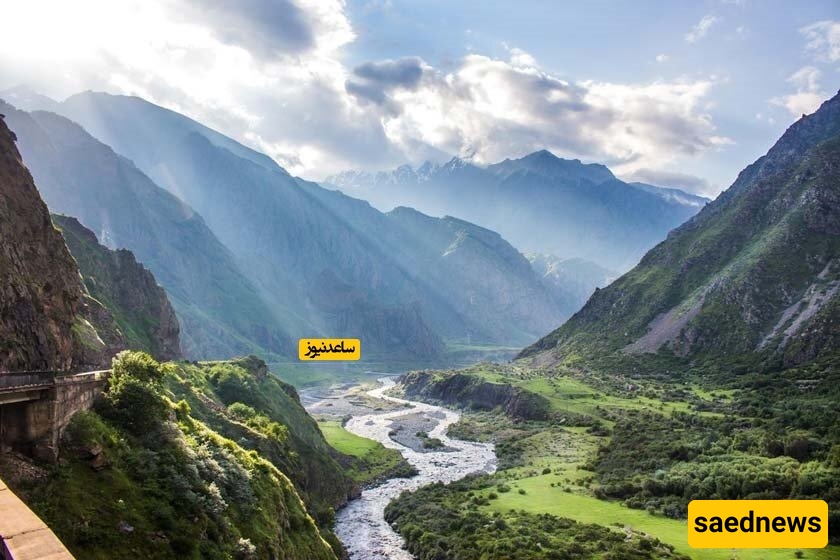
One of the greatest attractions of trekking in the Caucasus is its easy accessibility combined with vast areas of wilderness far from modern civilization.
Unlike many European mountain regions, trekking is not a major traditional activity among local communities, and there are still relatively few officially marked trails.
According to eco-tourism experts, Georgia is considered one of the best destinations for climbing and trekking in the Caucasus Mountains because of its dramatic landscapes, mountain villages, and established hiking routes.
In Azerbaijan, travelers will find fewer marked hiking trails, but the opportunity to visit ancient mountain villages and experience local cultures makes the region highly attractive for adventurers.
From Baku, travelers can head north toward Quba, located on the northeastern slopes of Mount Shahdag.
Important cultural villages include:
Khinaliq, located above 2,000 meters
Lahij
Saribash
Most trails in this area are used for livestock movement, so traveling with a local guide or joining an organized tour is strongly recommended.
The medieval city of Sheki, located on the historic Silk Road and surrounded by forested foothills of the Greater Caucasus, is an ideal place to explore Azerbaijani culture. The city is home to remarkable architectural landmarks, including the famous Palace of the Khan, recognized as a UNESCO World Heritage site.
In 2015, the Caucasus Trail Project began with the goal of creating a 1,500-kilometer hiking route connecting the Black Sea and Caspian Sea through the Caucasus Mountains.
Once completed, the Transcaucasian Trail is expected to become the first long-distance hiking route across the entire Caucasus region.
The trail will allow hikers to cross landscapes containing peaks over 5,000 meters and experience the region’s incredible diversity of:
Cultures
Languages
Mountain environments
Traditional communities
Some sections of the trail in Armenia and Georgia have already been completed.
The people of Georgia have many traditional stories explaining their connection with the Caucasus region.
One famous legend says:
“When God created the world, he asked all nations where they wanted to live and divided the lands according to their wishes. He did not hear from the Georgians because they were too busy celebrating. On his way home, God stopped to ask why they had ignored him. The Georgian toastmaster, known as the Tamada, explained that Georgians had been spending their time praising God’s creation and did not care where they lived. God was so pleased with their answer that he gave them the small piece of land he had kept for himself.”
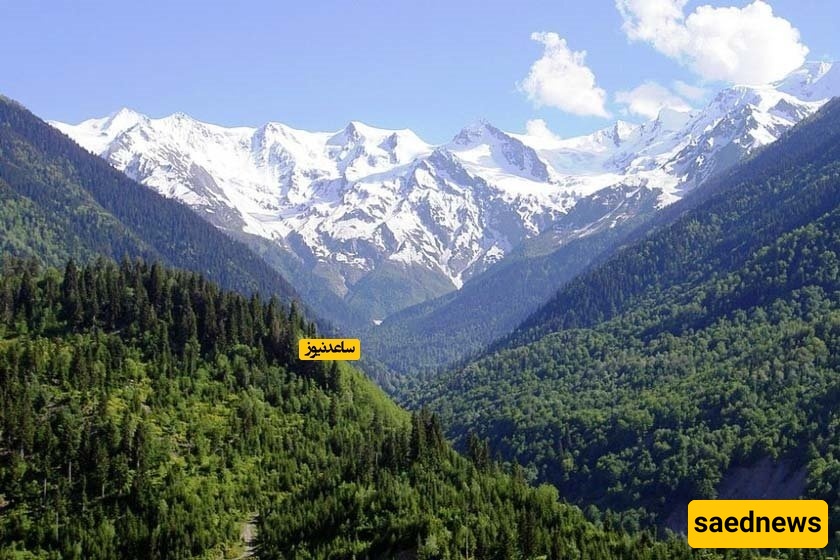
For many climbers, especially those who have already explored the crowded European Alps, the Caucasus offers a peaceful alternative with fewer visitors and more remote climbing experiences.
The region provides a wide range of challenges, from easier climbs to extremely difficult routes reaching Russian climbing grade 6A.
Mountaineering in the Caucasus offers something rarely found in the Alps: beautiful climbing walls, untouched landscapes, and the feeling of being alone in the mountains.
The Caucasus is also home to Mount Elbrus, which rises to 5,643 meters and is widely considered the highest mountain in Europe. Although Mont Blanc has historically been considered Europe’s highest peak by some sources, Mount Elbrus is now generally accepted as the continent’s highest mountain.
The most attractive high-altitude section for climbers is the High Alpine Caucasus, located south of the Black Sea. Famous peaks include:
Mount Elbrus
Mount Shkhara
Mount Kazbek
Many peaks in this region exceed 5,000 meters.
The climate of the Caucasus varies depending on altitude and geographical location. Generally, temperatures decrease as elevation increases.
The northern slopes of the Greater Caucasus are around 3°C colder than the southern slopes.
Because the Lesser Caucasus experiences a more continental climate, areas in Armenia, Azerbaijan, and Georgia experience strong differences between summer and winter temperatures.
Rainfall generally increases from east to west. Mountain areas receive much more precipitation than surrounding lowlands.
Annual rainfall varies greatly:
Northeastern Caspian areas: about 250 mm
Western Caucasus regions: between 1,000 and 4,000 mm
Eastern and northern Caucasus regions: around 600 to 1,800 mm
The highest rainfall has been recorded around Mount Mtirala in Georgia’s Adjara region.
The Caucasus is also famous for heavy snowfall, especially on the southwestern slopes of the Greater Caucasus. The Lesser Caucasus receives less snowfall because it is less exposed to the humid influences of the Black Sea.
The Caucasus Mountains lie between the Black Sea and the Caspian Sea near Russia’s southern border. This spectacular mountain system forms part of the natural boundary between Europe and Asia, creating a unique Eurasian landscape.
The range extends across:
Russia
Georgia
Armenia
Azerbaijan
Turkey
With dramatic peaks, ancient villages, diverse cultures, and untouched wilderness, the Caucasus remains one of the world’s most fascinating destinations for trekking, mountaineering, and adventure tourism.