SAEDNEWS: Russia, with its rich history and vibrant culture, is one of the world's most fascinating travel destinations. From the colorful onion domes of the Kremlin to its magnificent palaces, this vast country offers an unforgettable experience for every traveler.
According to Saednews, Russia is a vast, majestic country filled with remarkable attractions. As the largest nation in the world, its climate varies greatly from one region to another. Whether you dream of seeing the stunning Lake Baikal, the magnificent Altai Mountains, or the expansive tundra wetlands, the enjoyment of your trip largely depends on one question: When is the best time to visit Russia? Let’s take a journey through all four seasons to help you decide.
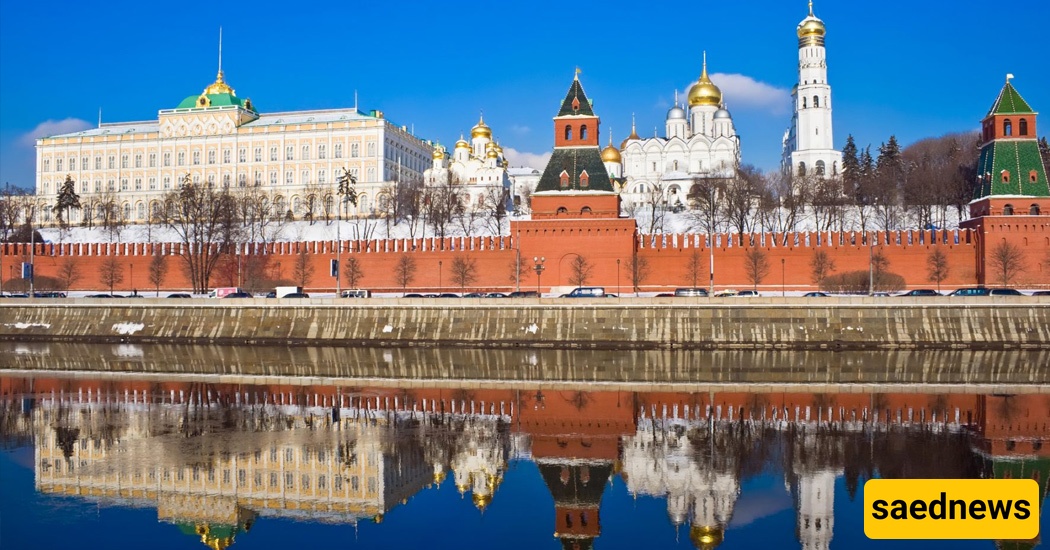
After four months of darkness and severe cold, Russians eagerly embrace spring and celebrate every opportunity for joy. In early March, the week-long Maslenitsa Festival, also known as the Pancake Festival, marks the end of winter and the arrival of spring.
Although winter is not officially over, freezing temperatures and snowfall often continue until early May. From then on, the weather gradually warms, and city streets become livelier. Travelers who can tolerate changing weather conditions will enjoy visiting Russia’s famous museums, churches, and palaces in a peaceful atmosphere with fewer crowds.
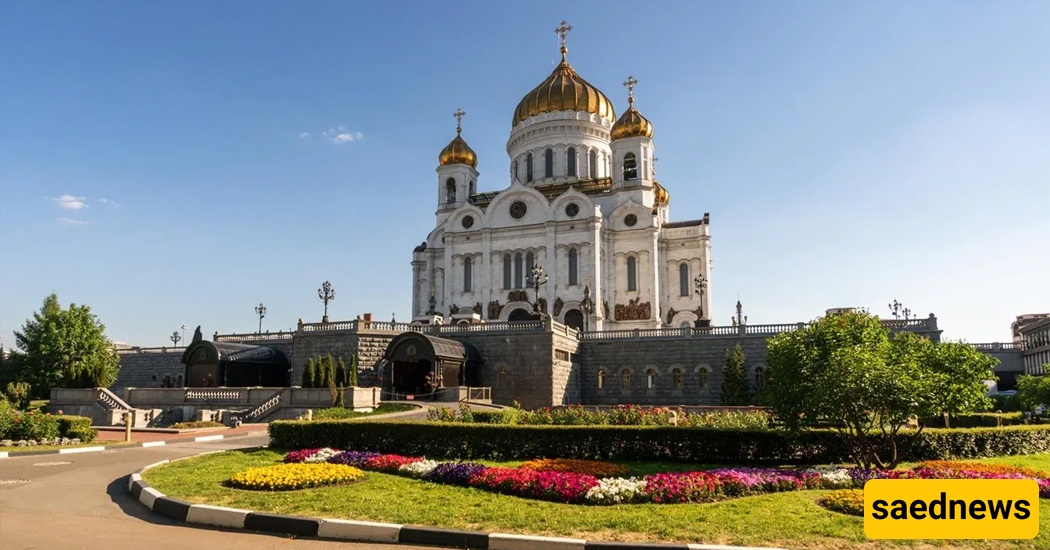
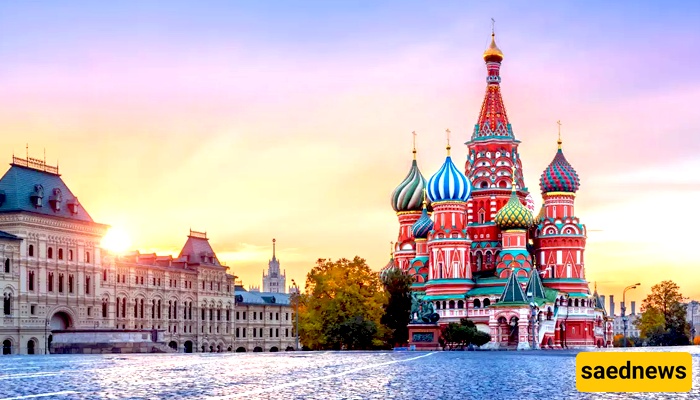
Red Square – The heart and most iconic symbol of Russia.
State Historical Museum – A valuable treasure trove of Russian history and art.
Moscow Kremlin – Russia’s political symbol surrounded by colorful flowers and blossoming trees.
Bolshoi Theatre – Famous for world-class ballet, opera, music, and theatrical performances.
White Nights Festival – A spectacular event featuring fireworks, concerts, ballet performances, opera, and street festivals.
March 8 – International Women’s Day
March 22–April 25 – Russian Orthodox Easter (dates vary)
Late April–Early May – Fountain Festival at Peterhof Palace
May 1 – International Workers’ Day
May 9 – Victory Day
Avoid planning extensive outdoor activities between March and April. During this period, fluctuating temperatures turn snow into slush and ice. Late May offers clear skies, comfortable weather, and relatively uncrowded attractions, making it one of the best times to visit Russia.
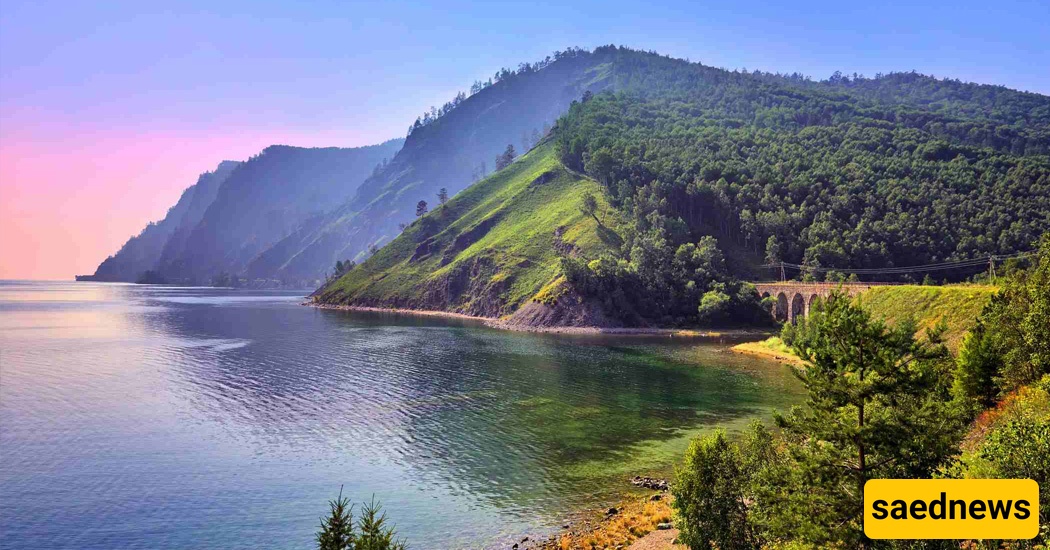
Summer brings sunshine, lively streets, and flourishing gardens. Russia’s royal palaces, grand fountains, and beautiful parks are especially impressive under the warm summer sun.
No matter where you travel, expect bustling cities, festive atmospheres, and numerous outdoor events. However, summer is also the busiest tourist season, meaning higher accommodation costs and larger crowds.
Lake Baikal – The world's largest freshwater lake by volume, offering exciting water activities.
Altai Mountains – Home to pristine lakes and lush alpine meadows.
Golden Ring of Russia – A famous route featuring ancient architecture, churches, monasteries, and cherry orchards.
Limpopo Zoo – A diverse zoo with native and exotic wildlife.
Aniva Lighthouse – A historic lighthouse standing dramatically above the sea.
Gelendzhik Bay – A beautiful coastal destination on the Black Sea.
Gorky Park – A picturesque park perfect for relaxation and memorable walks.
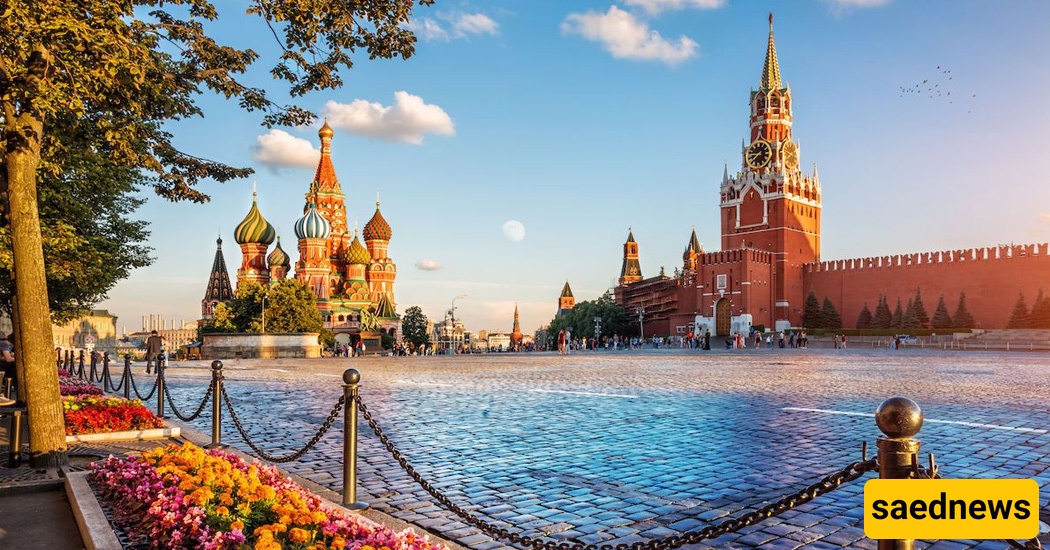
Late June – Scarlet Sails Festival in Saint Petersburg
July 7 – Ivan Kupala Day
Last Sunday of July – Navy Day
August 2 – Airborne Forces Day
August 12 – Russian Air Force Day
Summer travel in Russia can be expensive and crowded, but the country's breathtaking landscapes and lively atmosphere make it well worth the cost.
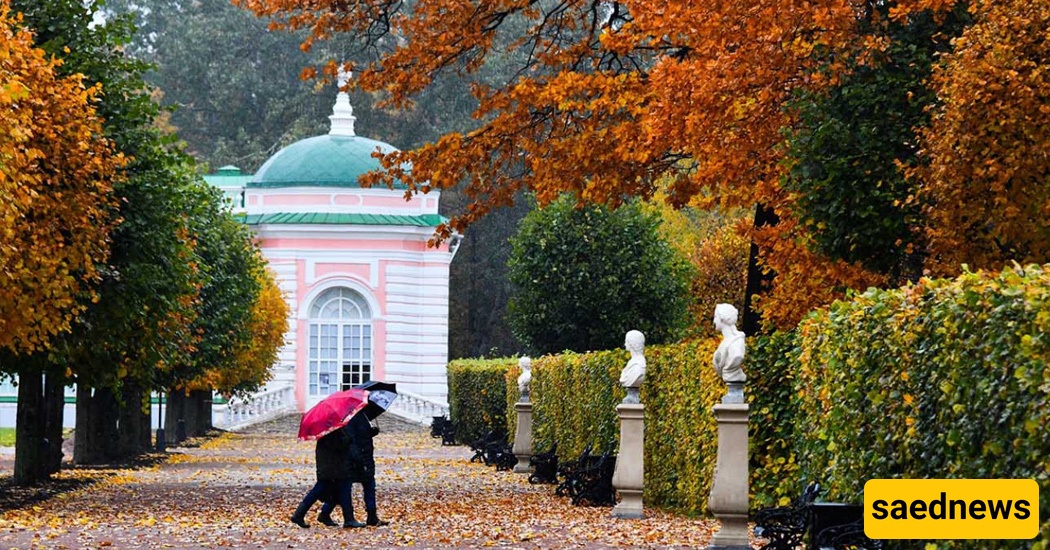
After the warmth of summer, autumn brings cooler temperatures ranging from approximately 16°C to -3°C. By mid-September, many tourists begin returning home, holidays end, and cities become quieter.
From bustling metropolitan centers to peaceful villages, autumn transforms Russia into a landscape of golden and orange hues. Early autumn is an excellent time to see famous landmarks framed by colorful foliage.
Vladivostok – A coastal city overlooking Golden Horn Bay, known for its sea views and historic landmarks.
Siberia – Covered in brilliant autumn colors and offering unique outdoor experiences.
A cruise along the Volga River – Enjoy breathtaking autumn scenery in riverside cities.
Kamchatka Peninsula – A remote wilderness ideal for wildlife viewing and adventure activities.
Karelia – A magical region of forests, hills, rivers, lakes, and waterfalls.
November 4 – National Unity Day
Autumn is peaceful and less crowded. While outdoor festivals become less frequent, visitors can enjoy cozy theaters, jazz bars, and cultural experiences. Lower tourist numbers make autumn an attractive season for travelers seeking tranquility.
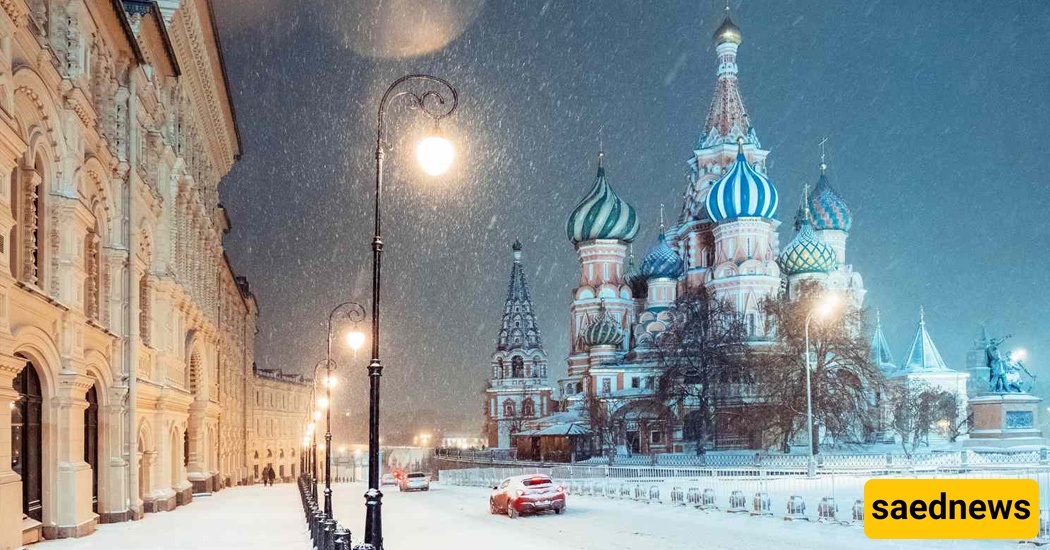
Winter in Russia is characterized by short days, long nights, and freezing temperatures. Outside Siberia and the Arctic regions, temperatures in many cities can still fall to around -20°C.
Warm clothing is essential. However, winter also offers the chance to enjoy some of Russia’s most beloved seasonal activities, including horse-drawn sleigh rides, skiing, ice hockey, and ice fishing. Travel costs are generally lower during winter, except during the New Year holiday period.
Saint Petersburg – Beautifully blanketed in snow, with frozen canals and dazzling winter scenery.
Kizhi Island – Famous for its wooden churches and nail-free architectural masterpieces.
Gorky Park – One of the best places for ice skating.
Murmansk – A top destination for witnessing the mesmerizing Northern Lights.
December 31–January 8 – New Year Holidays
January 7 – Orthodox Christmas
February 23 – Defender of the Fatherland Day
Winter is generally the least crowded season in Russia. The exception is the first week of January, when New Year celebrations attract large numbers of visitors and prices rise significantly. If you enjoy festive atmospheres, cultural celebrations, and glamorous holiday parties, New Year is the ideal time for your Russian adventure.
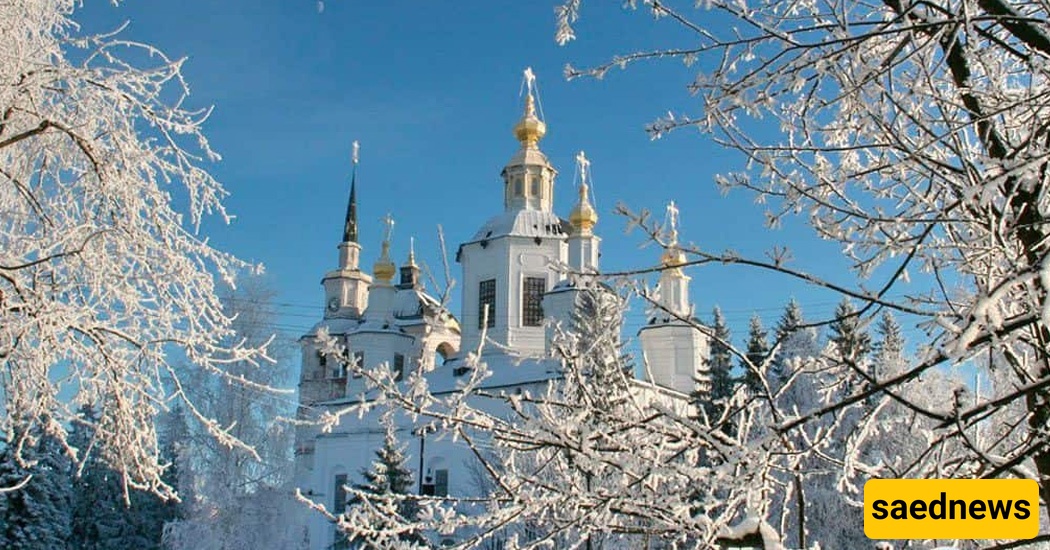
The best time to visit Russia depends on your interests:
Late May to early June – Mild weather, blooming landscapes, and fewer tourists.
Summer (June–August) – Warm temperatures, vibrant festivals, and outdoor activities.
Early Autumn (September) – Beautiful foliage, pleasant weather, and fewer crowds.
Winter (December–February) – Snow-covered scenery, winter sports, and the magical Northern Lights.
For most travelers, late spring and early autumn offer the perfect balance of comfortable weather, beautiful scenery, and manageable tourist crowds.