SAEDNEWS: Mysterious regions of the world are areas that humanity has not yet been able to fully uncover or gain sufficient knowledge about. In this article, we introduce some of the most enigmatic places across the globe—some of which are so astonishing that it is difficult to believe they are real.
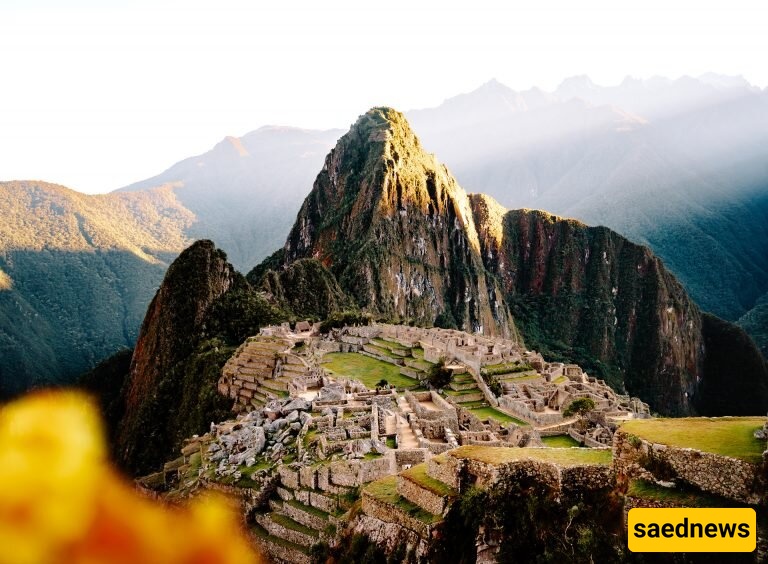
According to Saednews, The year is 2025, and although the world has undergone many transformations, the mysteries of some of its most enigmatic locations still remain. These places are deeply rooted in history and legend, and in some cases, breathtaking images have been captured of them. Some have become popular tourist destinations due to easier access, while others remain hidden because of their remoteness or difficulty of entry. In some cases, these areas lie deep under the ocean or underground, leaving many of their secrets unknown. In this article, we explore some of the world’s most mysterious and lesser-known locations.
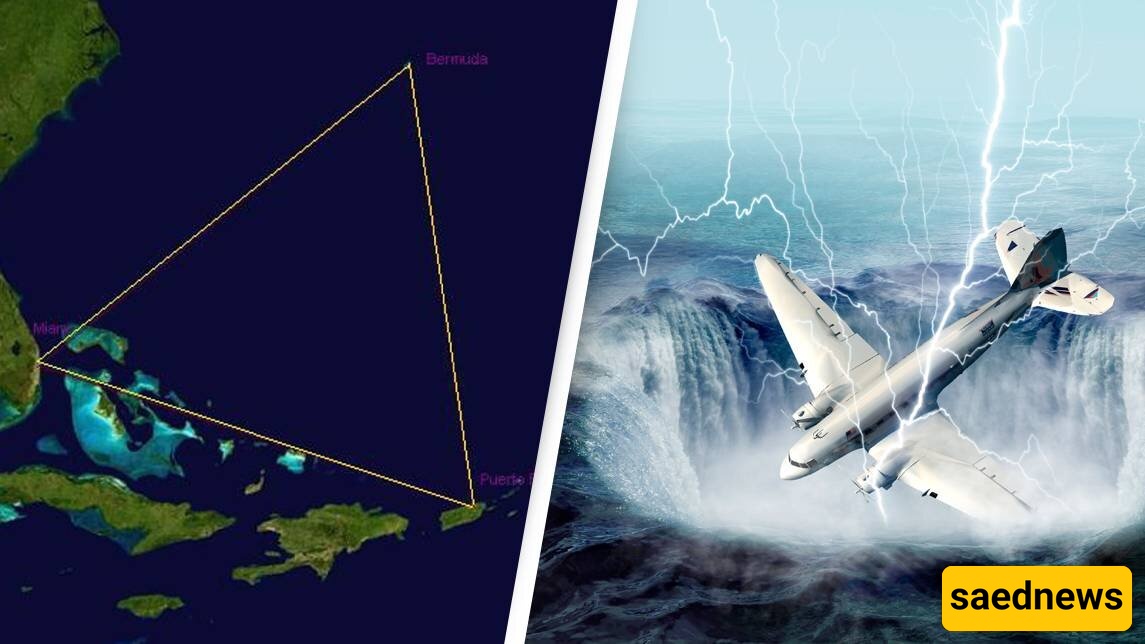
The Bermuda Triangle is one of the most famous mysterious regions on Earth, often referred to as the “Devil’s Triangle.” Located in the western part of the North Atlantic Ocean, it is considered one of the most inaccessible and enigmatic places on the planet.
Numerous ships and aircraft are said to have disappeared under unusual circumstances within this region. It is often claimed that once something enters the Bermuda Triangle, it never returns. While the exact number is unknown, estimates suggest around 50 ships and 20 aircraft have vanished here. No significant wreckage has been found in many of these cases.
The cause of these disappearances remains uncertain—ranging from human error to extreme weather phenomena. Legends about the area date back to Christopher Columbus, who reportedly observed strange lights and a meteor-like impact in the region. Today, the Bermuda Triangle remains one of the most debated mysteries of the seas.
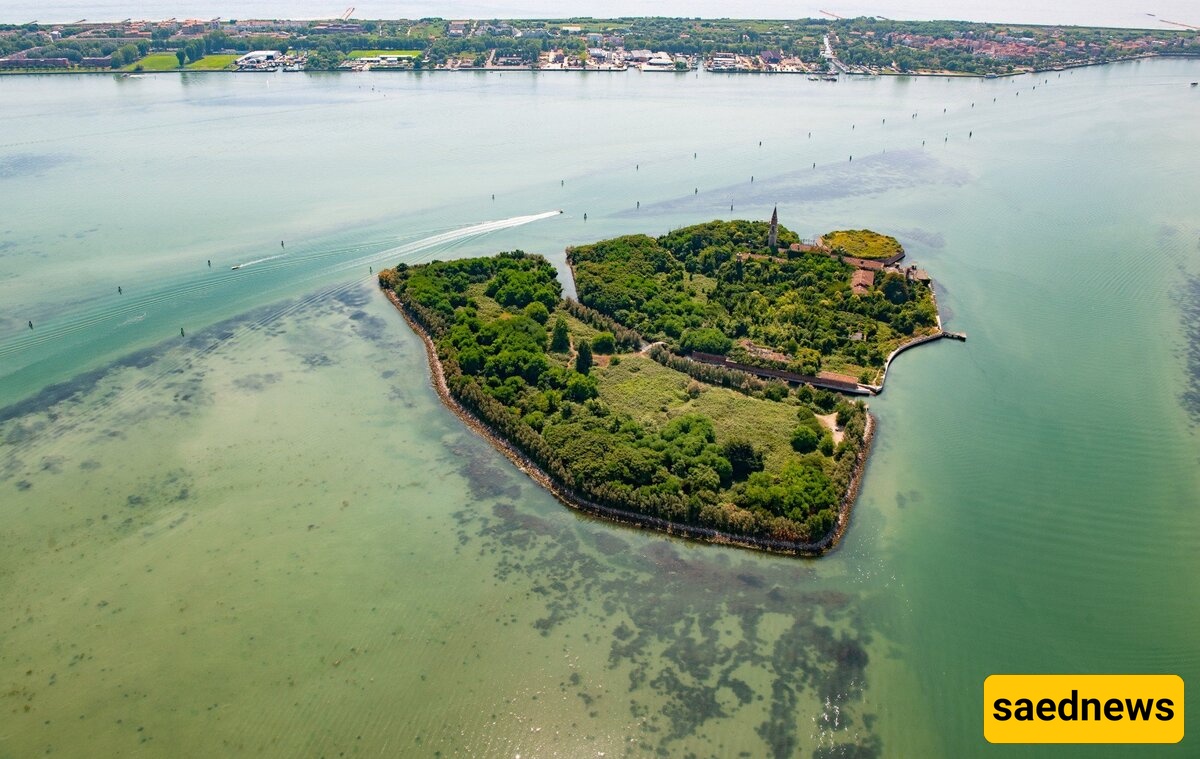
This small Italian island is currently uninhabited but carries a dark history that has led authorities to restrict access. Located between Venice and the Lido, Poveglia is considered one of the most mysterious places in the world.
In the 14th century, it was reportedly used as a quarantine site for victims of the Black Plague. Later, in the 19th century, it became a psychiatric asylum. Rumors persist of cruel experiments conducted by a doctor on patients during that time.
Although abandoned, local legends claim the island is haunted by the spirits of those who suffered there. It is widely regarded as one of the most frightening locations in Italy, and public access is generally prohibited, though special permission may sometimes be granted through a lengthy process.
Located in Lintong District near Xi’an, Shaanxi Province, this mausoleum is one of the most extraordinary archaeological mysteries in the world. Built over 38 years between 246 and 208 BC, it lies beneath a massive pyramid-shaped mound about 76 meters high.
The structure mirrors the layout of the ancient capital, divided into inner and outer sections. It is most famous for the Terracotta Army discovered nearby. While thousands of life-sized clay soldiers are on display, it is believed that around 6,000 more remain buried in underground chambers.
According to legend, the tomb may contain traps designed to protect it from intruders. More scientifically, studies suggest high levels of mercury inside the burial chambers, making exploration extremely dangerous. As a result, the main tomb itself remains unopened.

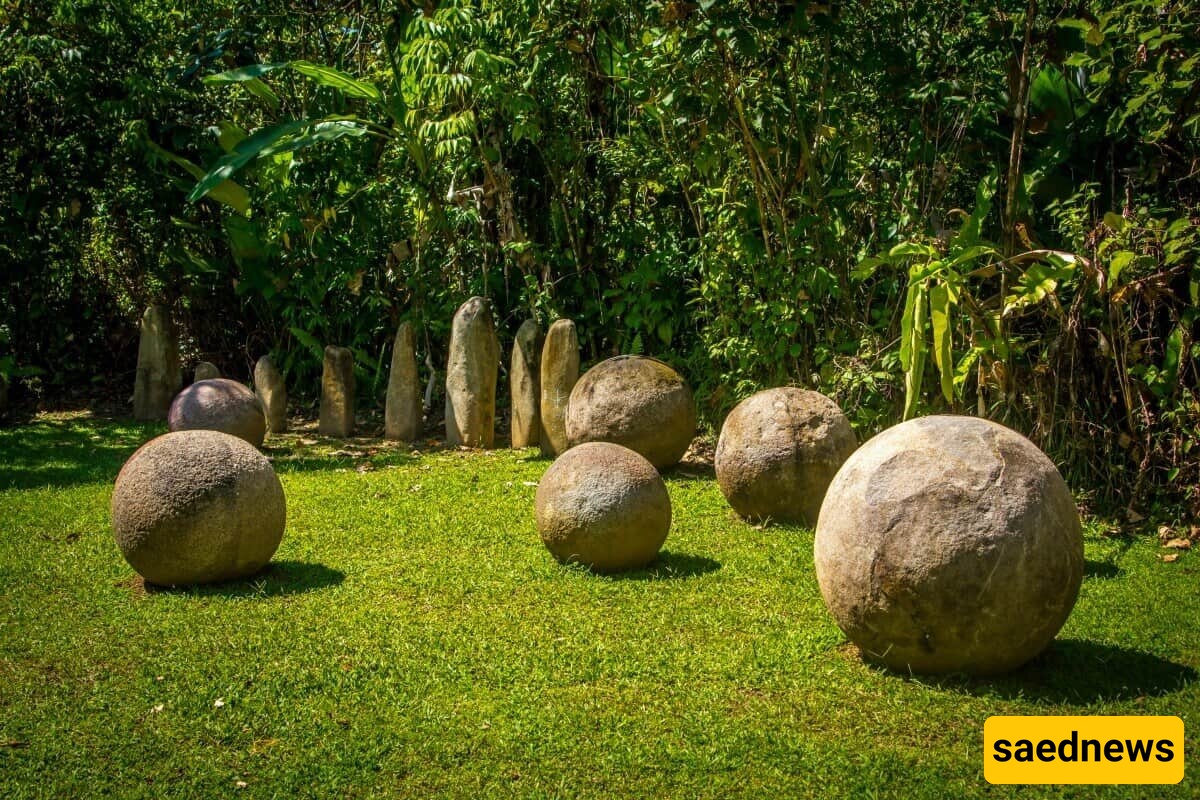
Costa Rica is home to one of the most fascinating archaeological mysteries in the world: large stone spheres found primarily in the Diquís Delta region and Isla del Caño. More than 300 perfectly shaped spheres have been discovered, ranging in size from a few centimeters to over two meters in diameter.
Their origin and purpose remain unclear. Archaeological studies in the 1950s linked them to pre-Columbian cultures, but much of their history has been lost due to damage, looting, and agricultural activity. Today, only a few remain in their original locations.
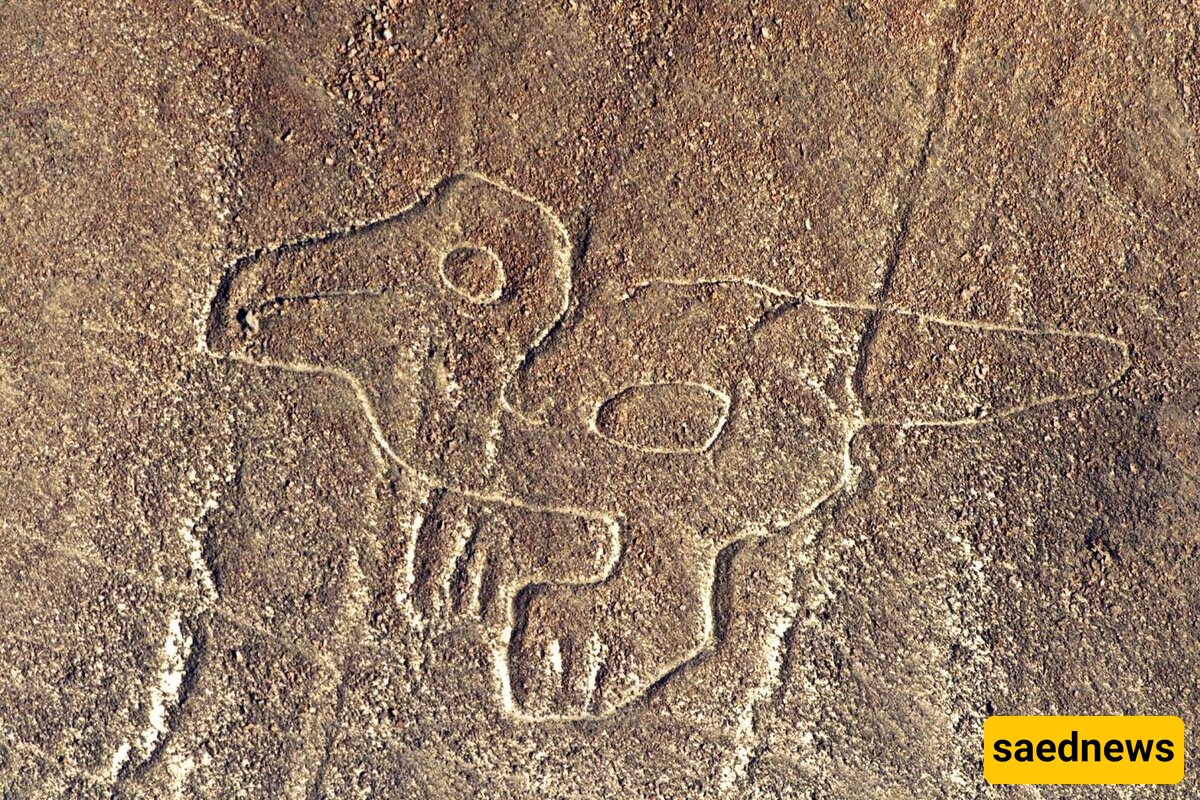
Located in the Nazca Desert, about 400 kilometers southeast of Lima, the Nazca Lines are among the most mysterious geoglyphs in the world. Covering nearly 500 square kilometers, the desert features hundreds of enormous designs depicting geometric shapes, animals, and humans.
The purpose of these lines remains debated. Some theories suggest religious or astronomical significance, while others—such as the famous ancient astronaut hypothesis—propose extraterrestrial involvement. However, most researchers believe they were created for ceremonial or spiritual purposes, possibly meant to be seen by gods from above.
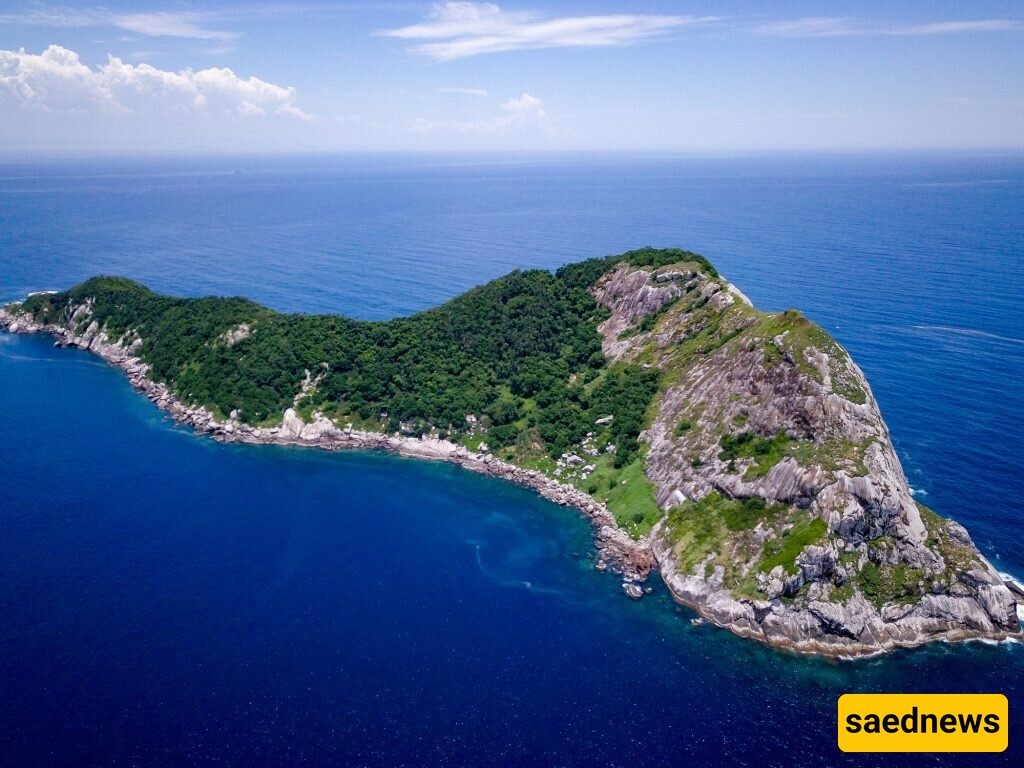
Ilha da Queimada Grande, commonly known as Snake Island, lies off the coast of Brazil in the Atlantic Ocean. Covering just 43 hectares, it is home to one of the highest concentrations of venomous snakes in the world.
A popular legend tells of a lighthouse keeper who died after snakes entered the lighthouse. While the story is likely exaggerated, the island has since been restricted, and civilian access is prohibited. Only researchers are occasionally allowed to visit.
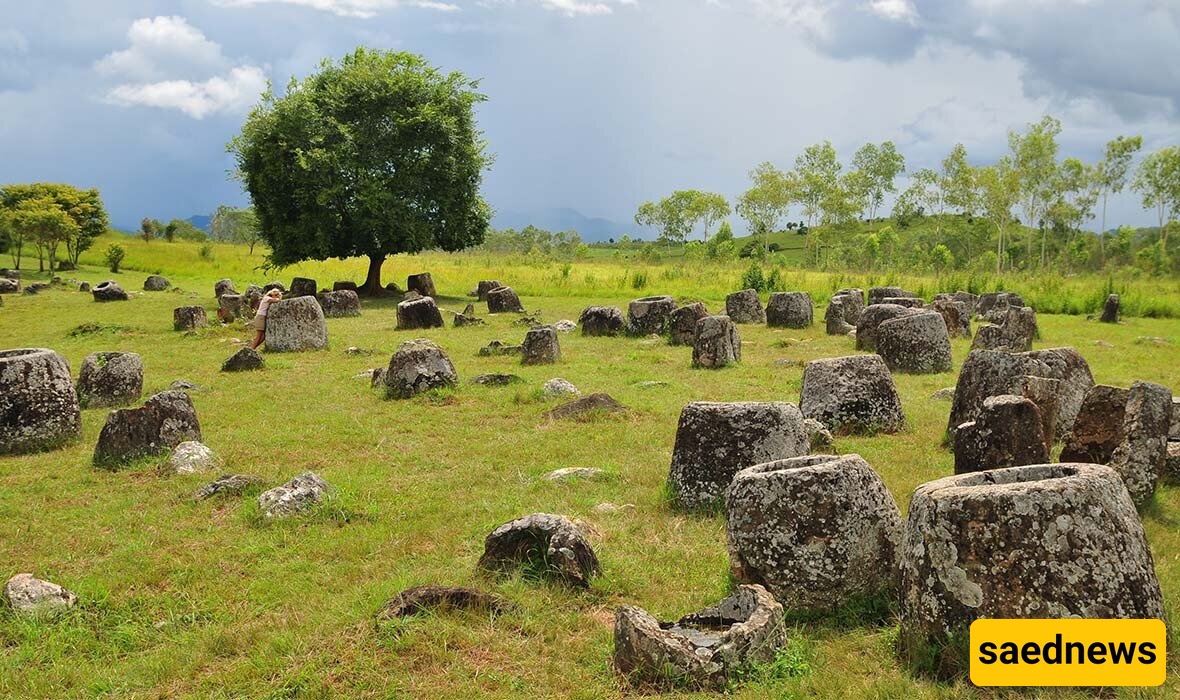
Located in Xieng Khouang Province, the Plain of Jars is one of Southeast Asia’s most puzzling archaeological sites. Thousands of large stone jars are scattered across the landscape.
Their purpose remains uncertain. Some theories suggest burial urns, others propose food storage or rainwater collection. Local legends attribute their creation to an ancient king who used them to store wine after a great victory. Despite ongoing research, their true origin is still unknown.
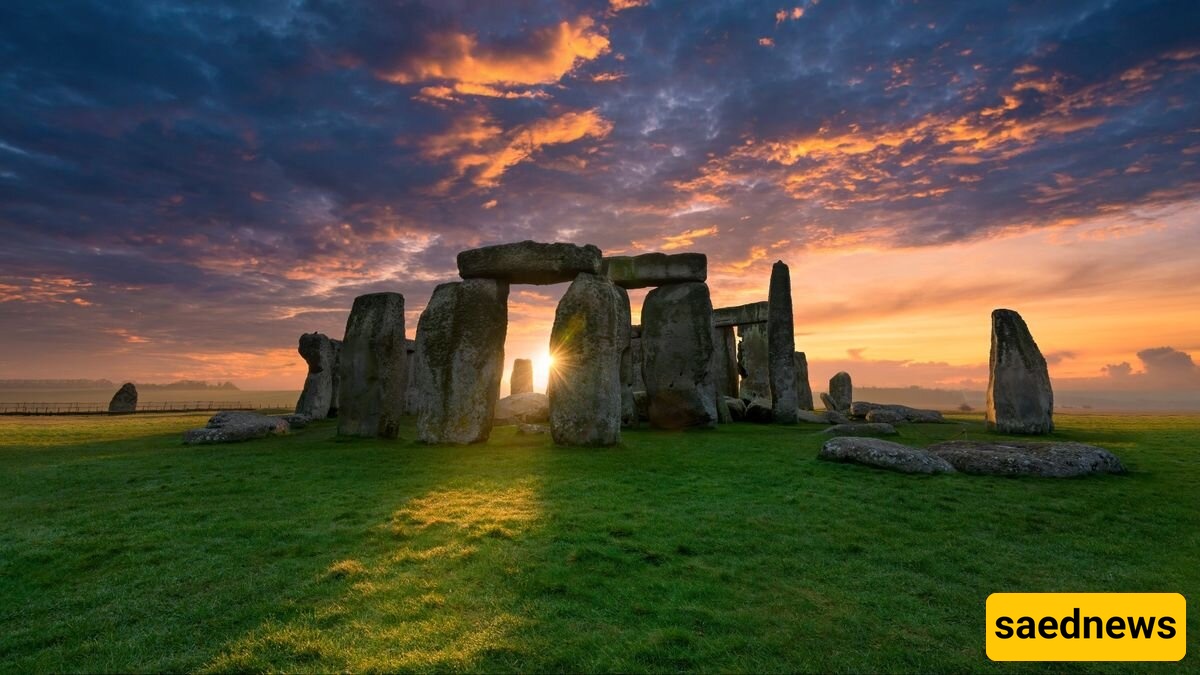
Stonehenge is a prehistoric monument located in Wiltshire, England, composed of massive stones weighing over 50 tons. Its construction dates back to the Neolithic and Bronze Ages, but how or why it was built remains a mystery.
It is believed the site may have served as a burial ground, as human remains have been found nearby. Today, Stonehenge is one of the most iconic cultural landmarks in the United Kingdom and is protected as a UNESCO World Heritage Site.
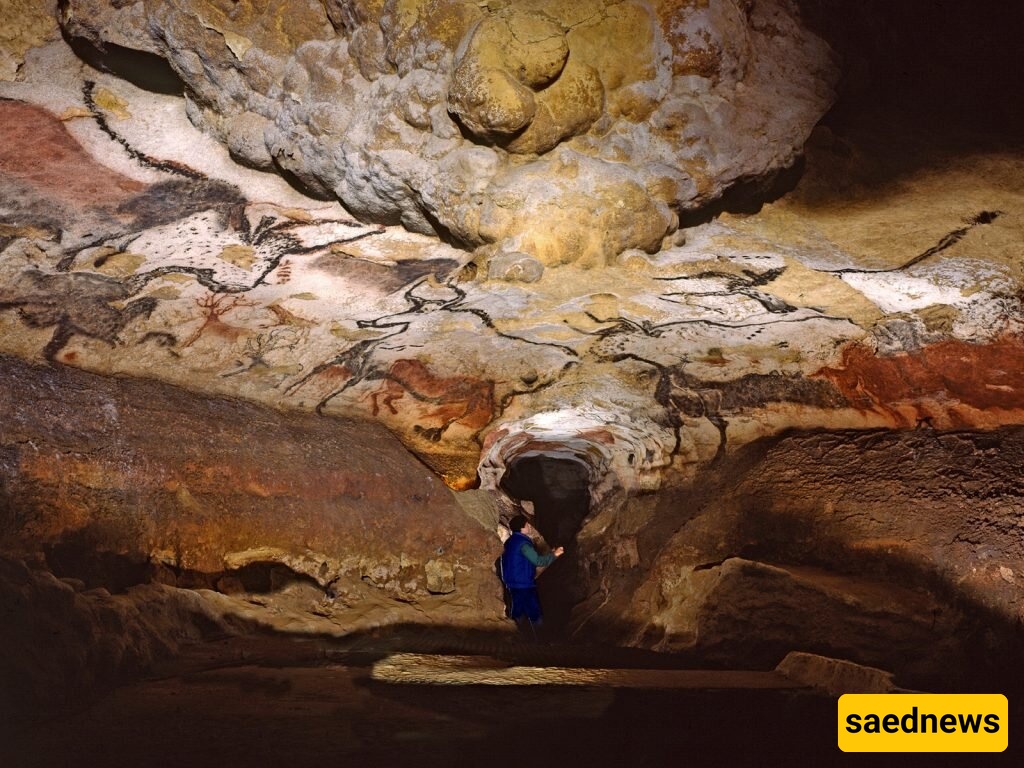
The Lascaux Caves in southwestern France contain some of the most remarkable prehistoric cave paintings ever discovered, dating back approximately 17,000 years.
These artworks depict animals such as bulls, deer, and horses. Due to damage caused by human presence and fungal growth, the caves were closed to the public in the 1960s. A replica site now allows visitors to experience the art without harming the original location.
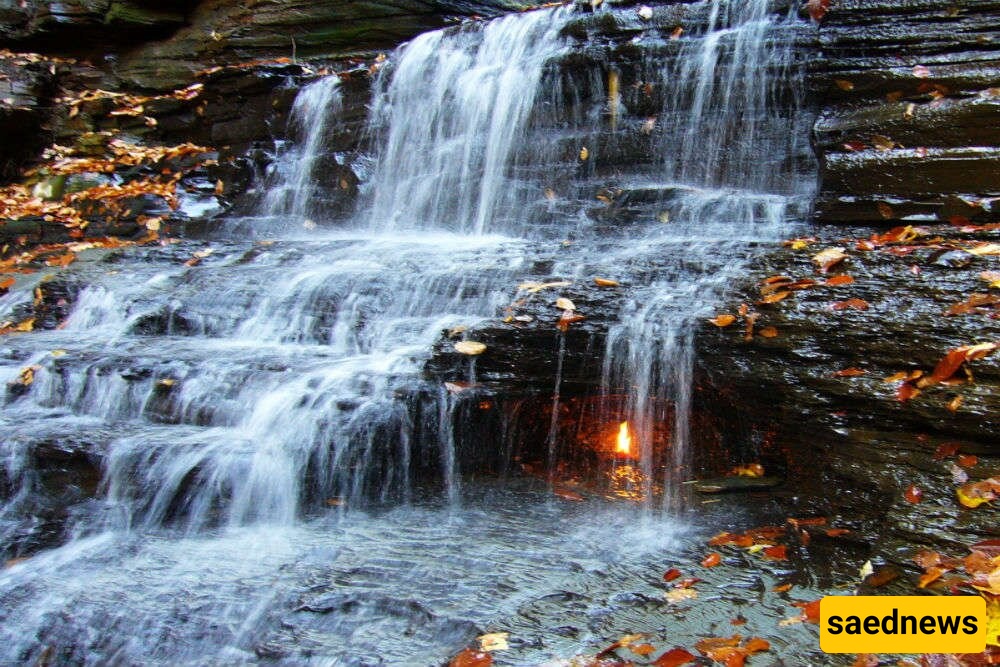
Located in Chestnut Ridge Park in New York, Eternal Flame Falls features a small natural flame burning beneath a waterfall. The flame is sustained by natural gas emissions from a cave behind the waterfall.
While similar phenomena exist elsewhere, this site is unique because the flame continues burning even under flowing water. Occasionally it goes out but is naturally relit, making it one of the most unusual natural attractions in the world.