SAEDNEWS: The Zarangoush area holds a rich historical heritage and, combined with Ilam’s unique natural beauty, creates a stunning landscape. “Zarangoush Gorge” is considered one of the most important tourist attractions in the region. Throughout different seasons, clear waters flow through the gorge, adding to its appeal for visitors.
According to SAEDNEWS, Zarangush is a village in Ilam Province, located in the central district of Darreh Shahr County.
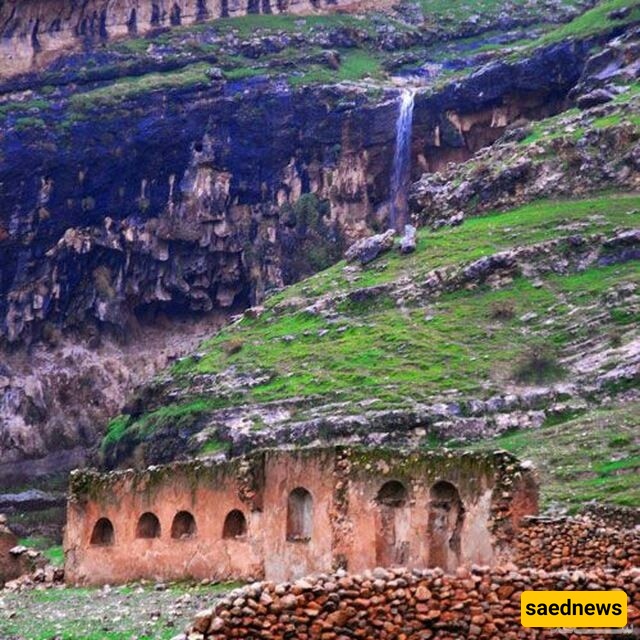
The village of Zarangush (33°N, 47°E) is situated 24 km from Badreh village and 19 km from Darreh Shahr city. In 2014, it was officially recognized as the center of Zarangush Rural District. The village has a population of over 3,000 and is the largest village in Darreh Shahr County. Residents speak the Luri language, and most engage in agriculture and livestock farming. The main crops of Zarangush include cucumbers, tomatoes, wheat, and barley.
Regarding the origins of the people, there are two views. Some believe the villagers descend from the Eyvan region and the Kalaher tribe, while others trace them to the Matash tribe, a well-known branch of the Biranvand. The language of Zarangush and the entire Hendmini region is Luri Minjai, which closely resembles the dialect of the Matash tribe. Despite the presence of Kurdish and Laki dialects in surrounding areas, the local dialect reflects the village’s authentic Matash heritage from Lorestan Province.
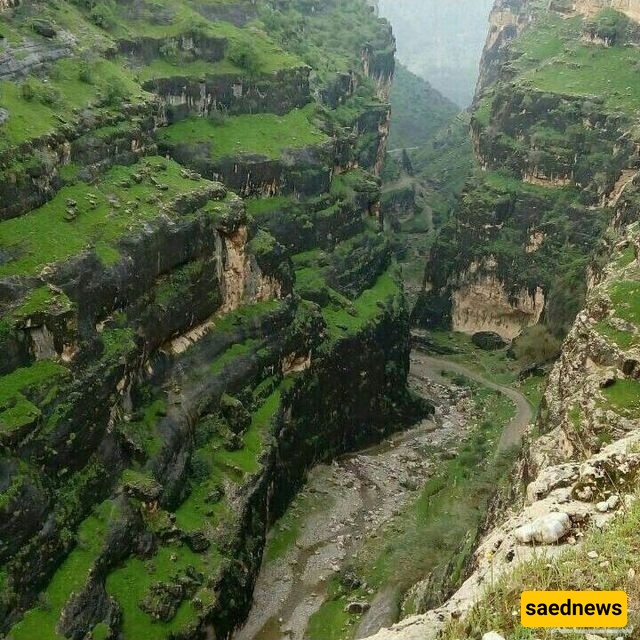
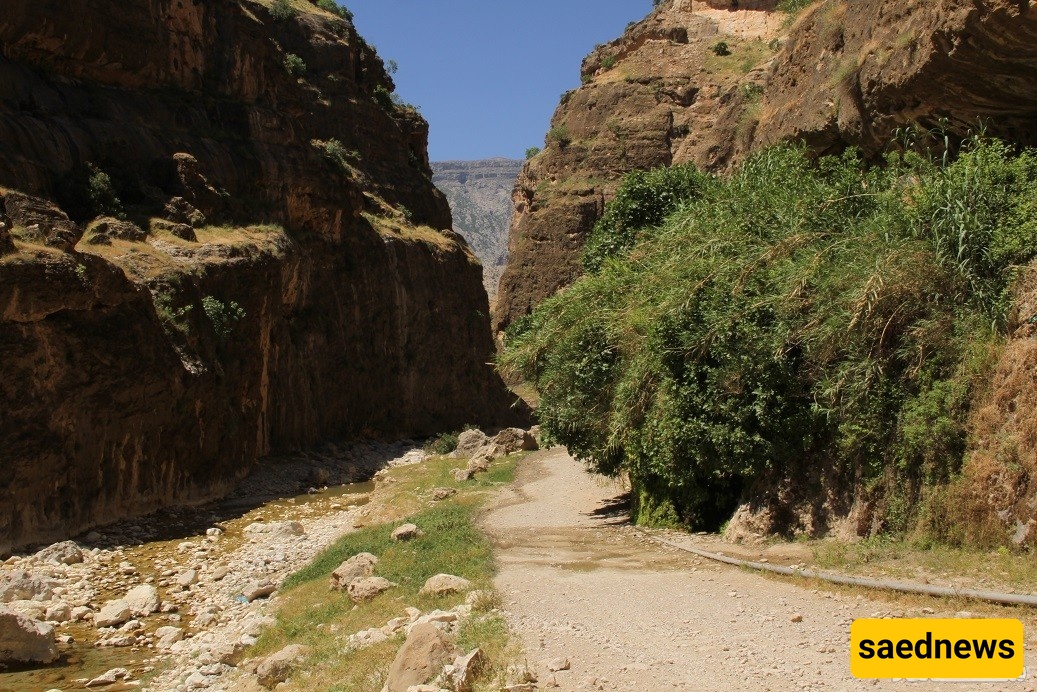
The village is home to the Zarangush Gorge, a site of both historical and natural significance. Accessible via a dirt road from the village, the gorge begins with a mysterious path and extends for about two kilometers, filled with natural wonders and historical remnants. The gorge houses more than 12 notable historical and natural sites, many of which have been lost or buried beneath large rocks.
Experts note that Zarangush Gorge contains traces of pre-historic artifacts, making it a unique natural and historical site with global significance. The gorge reaches over 500 meters in height, with water flowing throughout the year. In previous years, it was lush with forests and tall trees, offering breathtaking views. Its deep mountains, valleys, waterfalls, and diverse rock formations contribute to its beauty, making it one of Ilam Province’s most remarkable historical and natural sites.
In autumn and winter, the gorge creates spectacular waterfalls amid its scenic valleys. Historically, it features twin caves that once served as fortresses made of gypsum and sarooj, protecting inhabitants from enemies and natural disasters. Another notable site, the "Bajgiran" area, was historically used for collecting tributes and is now registered with the Cultural Heritage Organization.
Unique large rocks in the gorge have become iconic, including the “Bardbal” rock at the gorge’s center, which is considered a symbol of Zarangush village.
The villagers of Zarangush continue to speak Luri, practice agriculture and livestock farming, and cultivate cucumbers, tomatoes, wheat, and barley. The origins of the people remain debated between descent from Eyvan’s Kalaher tribe or the Matash tribe of the Biranvand lineage.