SAEDNEWS: Eyebrow Transplant vs. Microblading: Key Differences in Longevity, Natural Results, Recovery Time, and Choosing the Right Option for Eyebrow Restoration
According to Saednews, Your eyebrows play an important role in facial beauty, emotional expression, and your overall appearance. Even subtle changes in eyebrow density or shape can significantly affect facial harmony. However, several factors, including excessive plucking, aging, genetics, scarring, hormonal changes, and certain medical conditions, can lead to thinning eyebrows or irregular hair growth.
With growing interest in eyebrow restoration and enhancement, two popular options are often compared: eyebrow transplantation and microblading.
Although both procedures aim to improve the appearance of eyebrows, they differ significantly in their treatment methods, approaches, results, and long-term considerations.
Microblading is a cosmetic pigmentation technique that creates hair-like strokes to enhance the appearance of eyebrows. Eyebrow transplantation, on the other hand, is a surgical hair restoration procedure that uses a person's own hair follicles to encourage natural eyebrow growth.
Understanding the differences between these two procedures can help individuals make informed decisions based on their aesthetic goals, expectations, and long-term priorities.
Eyebrow transplantation is a minimally invasive hair restoration procedure in which healthy hair follicles, usually taken from the scalp, are transferred to areas of the eyebrows with low hair density.
The procedure is commonly performed using advanced follicular extraction techniques such as FUE (Follicular Unit Extraction). With this method, individual hair follicular units are extracted and carefully implanted into the eyebrow area.
Since the transplanted follicles are living follicles taken from the patient's own body, they can continue to grow naturally after successful transplantation.
An eyebrow transplant generally involves four main stages:
Before the procedure, the specialist evaluates several factors, including:
Current eyebrow density
Facial proportions
Natural eyebrow growth direction
Hair characteristics
Patient expectations
The eyebrow shape is then designed specifically for the individual to complement their facial structure rather than following a standard design for everyone.
During this stage, individual hair follicles are extracted from the donor area, which is usually the scalp.
Selecting suitable donor hairs is particularly important because eyebrow hair has unique characteristics, including specific growth directions, thickness, and texture.
The extracted follicles are placed into tiny incisions created in the eyebrow area.
The angle and direction of implantation are extremely important because natural eyebrows follow specific growth patterns rather than growing in straight lines.
Following transplantation, the newly implanted hairs gradually enter their natural growth cycle.
One important consideration is that initial shedding of transplanted hairs may occur during the first few months. This is a normal part of the follicles' adjustment process.
Visible improvements generally develop gradually, with the final results becoming more apparent over several months as the transplanted hairs grow.
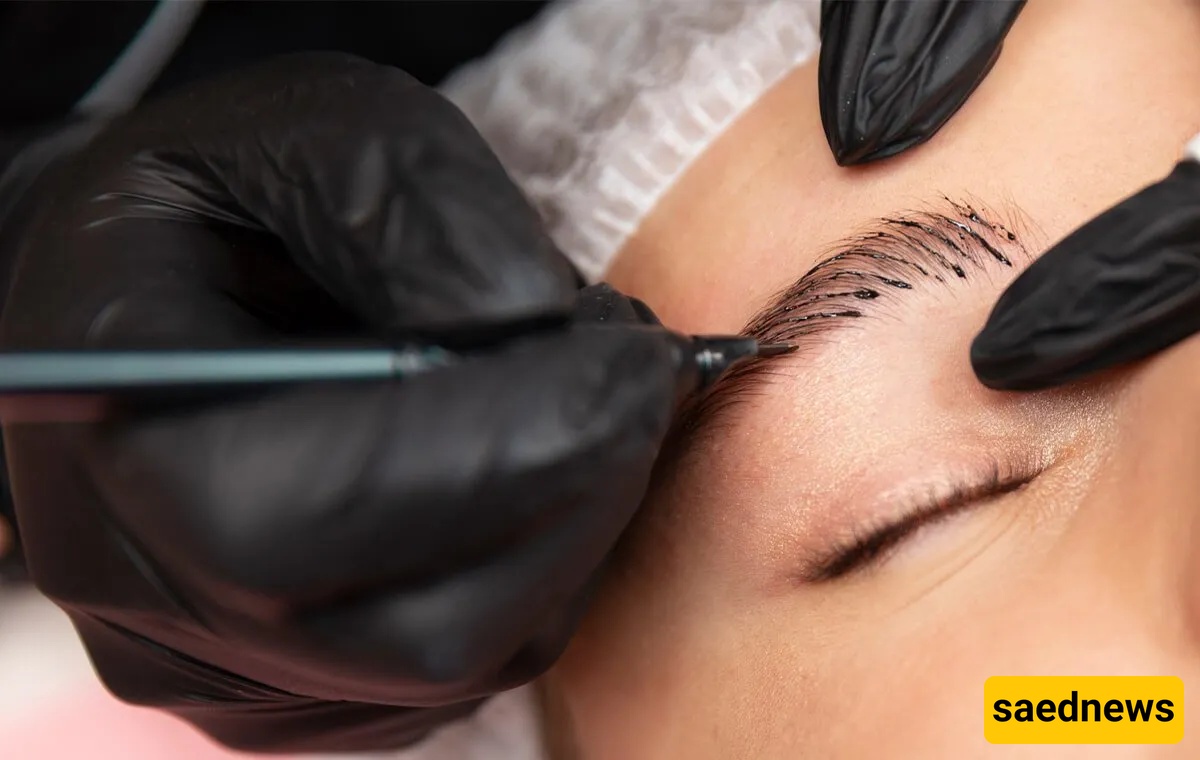
Microblading is a non-surgical cosmetic procedure that uses a handheld tool equipped with fine needles to deposit pigment into the superficial layers of the skin.
The purpose of this technique is to create hair-like strokes that imitate the appearance of natural eyebrow hairs.
Unlike eyebrow transplantation, microblading does not create new hair follicles. Instead, it enhances eyebrow shape and definition through a visual pigmentation effect.
The procedure generally involves the following steps:
Selecting a suitable pigment color
Designing and shaping the eyebrows symmetrically
Creating fine, hair-like strokes
Allowing the skin to heal
Since the pigment gradually fades over time, periodic touch-up sessions are usually necessary to maintain the desired appearance.
Feature | Microblading | Eyebrow Transplant |
|---|---|---|
Treatment type | Cosmetic pigmentation | Surgical hair restoration |
Uses actual hair follicles | No | Yes |
Results | Pigmented hair-like strokes | Actual hair growth |
Longevity | Requires periodic maintenance | Designed for long-term results |
Maintenance | Requires touch-up sessions | May require regular trimming |
Recovery | Skin healing period | Surgical recovery period |
Best suited for | Cosmetic enhancement and improved definition | Low eyebrow density, significant thinning, or hair loss |
As mentioned earlier, one of the most important advantages of eyebrow transplantation is that it restores actual hair growth rather than simply creating the appearance of hair.
Natural eyebrows have several distinctive characteristics:
Natural movement of individual hair strands
Three-dimensional texture
Natural growth direction
Variations in individual hair thickness
Natural interaction with light and facial movements
Since transplanted follicles produce real hair, eyebrow transplantation can create an increasingly natural appearance over time.
Microblading can also improve the perceived density of eyebrows. However, its results remain a pigment-based simulation of natural hair.
Additionally, factors such as skin type, pigment fading, and individual skin-healing responses can influence the final outcome.
Eyebrow transplantation uses the patient's own hair follicles. Therefore, the transferred hairs generally retain their ability to continue through natural hair-growth cycles.
However, since scalp hair differs from natural eyebrow hair, transplanted hairs may require periodic trimming and grooming.
The longevity and overall outcome of an eyebrow transplant depend on several factors:
Surgical technique
Donor hair selection
Implantation angle
Following post-operative care instructions
Microblading results are temporary because the deposited pigments gradually break down and fade over time.
The longevity of microblading depends on several factors:
Skin type
Sun exposure
Skincare products
Lifestyle
Pigment quality
Individual healing process
Many individuals require periodic touch-up sessions to maintain their desired appearance.
Like other cosmetic procedures, both eyebrow transplantation and microblading involve certain considerations and potential risks.
Potential side effects and considerations include:
Temporary redness or swelling
Small scabs during the healing period
Temporary shedding of transplanted hairs
Irregular hair growth during the early stages
The need for proper follicle placement techniques
Choosing an experienced specialist in eyebrow restoration is particularly important because the procedure requires a detailed understanding of facial aesthetics and natural hair-growth patterns.
Potential risks of microblading include:
Pigment color changes over time
Uneven pigment fading
Skin irritation
Risk of infection if proper hygiene standards are not followed
Results that may not match the individual's aesthetic preferences
Therefore, choosing a properly trained and licensed practitioner is essential to minimizing these risks.
Eyebrow transplantation may be particularly suitable for individuals experiencing:
Permanent eyebrow thinning
Eyebrow damage caused by excessive plucking
Eyebrow loss due to scarring
Naturally sparse eyebrows
Hair loss associated with certain medical conditions
A preference for a long-term restoration solution
Candidates should maintain realistic expectations and understand that the final results develop gradually.
Baran Clinic Toos – Official Website
Consulting a hair restoration specialist can help determine whether eyebrow transplantation is appropriate based on donor hair availability, facial structure, and individual goals.
Microblading may be suitable for individuals who:
Want temporary cosmetic enhancement of their eyebrows
Prefer a non-surgical procedure
Have sufficient natural eyebrow hair but want greater definition
Want to experiment with a particular eyebrow shape before considering more permanent options
As a cosmetic technique, microblading is particularly suitable for individuals seeking short-term enhancement rather than actual eyebrow hair restoration.
Eyebrow restoration involves more than simply increasing hair density. Several important factors must be considered, including:
Facial proportions
Hair follicle biology
Natural eyebrow anatomy
Hair growth direction
Implantation techniques
A skilled specialist evaluates each individual separately and develops a treatment plan based on natural facial aesthetics rather than standardized patterns.
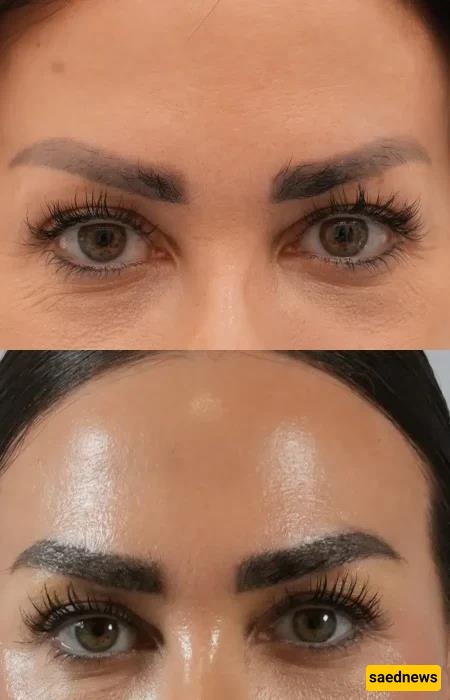
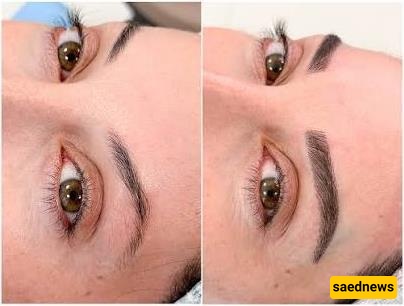
For individuals considering eyebrow transplantation, researching qualified specialists, reviewing before-and-after photographs, and understanding the medical aspects of the procedure are important steps before making a decision.
As discussed throughout this article, both eyebrow transplantation and microblading can improve the appearance of eyebrows, but they serve fundamentally different purposes.
Microblading is a non-surgical cosmetic technique that enhances eyebrow shape and definition through pigmentation. However, it requires periodic maintenance and does not restore actual hair growth.
Eyebrow transplantation, in contrast, aims to restore natural eyebrow hair using the individual's own hair follicles. Although it involves a surgical procedure and a longer hair-growth process, it can offer more natural-looking and longer-lasting results for individuals experiencing genuine eyebrow thinning or hair loss.
Ultimately, professional consultation at a specialized clinic can help determine the most appropriate approach to achieving beautiful, natural-looking, and long-lasting eyebrows.