SAEDNEWS: This article explores the common symptoms of depression in men and women and effective ways to treat winter depression.

Accoridng to Saednews, Seasonal Affective Disorder (SAD), commonly known as winter depression, is a type of depression associated with reduced exposure to natural sunlight during the shorter days of winter. It is more common in regions that experience long, cold, and dark winters. Natural daylight plays an important role in regulating mood and brain chemistry, particularly serotonin, a neurotransmitter associated with emotional well-being. Reduced sunlight exposure can affect serotonin levels and contribute to depressive symptoms.
Research suggests that people living in regions with limited winter daylight may experience changes in their eating and sleeping patterns. Some individuals develop symptoms of seasonal depression, which often improve as spring approaches and daylight hours increase. Genetic factors, including variations in the 5-HTTLPR gene, may also influence serotonin regulation and susceptibility to seasonal mood changes.

Seasonal depression appears to affect women more frequently than men. Differences in brain chemistry, hormonal activity, and serotonin regulation may contribute to this pattern.
Women may benefit from maintaining healthy serotonin levels through regular physical activity, balanced nutrition, sufficient daylight exposure, and appropriate professional support. Brain imaging techniques may also be used in research to investigate the neurological mechanisms associated with depression.
Like other forms of depression, winter depression can range from mild to severe. Common emotional experiences include sadness, hopelessness, anxiety, fatigue, and reduced motivation.
The most frequently reported symptoms include:
People with seasonal depression may experience unexplained tiredness and physical exhaustion, even without engaging in strenuous activities.
Individuals may feel sleepy throughout the day and find it difficult to get out of bed in the morning.
Increased irritability, mood swings, and difficulty controlling emotional reactions can be associated with winter depression.
Ongoing feelings of sadness, emptiness, or hopelessness are among the most recognizable symptoms of depression.
Seasonal depression can affect cognitive performance, making it harder to focus, remember information, and complete everyday tasks.
Unlike some other forms of depression, winter depression may increase appetite, particularly cravings for sugary foods and carbohydrate-rich meals. This can contribute to weight gain.

People experiencing seasonal depression may withdraw from social activities, avoid going outdoors, or lose interest in spending time with friends and family.
Professional treatment may include psychotherapy, medication when appropriate, and lifestyle changes. The following strategies may also help manage symptoms.
Regular exercise can improve mood, increase energy, and reduce symptoms of depression.
Consider:
Joining a fitness club.
Using a treadmill or stationary bicycle at home.
Practising yoga with instructional videos.
Walking outdoors during daylight hours.
Even moderate daily physical activity can positively influence mental well-being. Choose an activity that fits your lifestyle and maintain a consistent routine.
During warmer months, the body produces vitamin D through exposure to sunlight. Reduced sunlight during winter may increase the risk of vitamin D deficiency.
A balanced diet containing fruits, vegetables, and protein-rich foods supports overall health. Vitamin D supplements may be helpful for people with low levels, but supplementation should be discussed with a healthcare professional.
Light therapy involves using a specially designed light box that produces bright light to compensate for reduced natural daylight exposure.
Regular morning sessions may help regulate the body's internal clock and improve seasonal depressive symptoms. A healthcare professional can advise on the appropriate device, intensity, and duration.

Aromatherapy uses essential oils and pleasant fragrances to promote relaxation and emotional comfort.
Certain scents may help reduce stress and create a more calming environment. Aromatherapy can be used as a complementary relaxation technique, although it is not a proven treatment for seasonal depression.
Consulting a qualified mental health professional can help individuals understand and manage seasonal depression.
Cognitive behavioural therapy (CBT), particularly CBT adapted for seasonal affective disorder, can help people identify negative thought patterns and develop healthier coping strategies.
In some cases, a doctor may also recommend medication as part of a treatment plan.
Nutrition plays an important role in supporting brain function, energy levels, and emotional well-being. The following foods contain nutrients associated with healthy brain activity.
Foods such as salmon provide high-quality protein and essential amino acids. Protein supports neurotransmitter production and helps maintain energy levels.
Omega-3 fatty acids are essential nutrients that support brain health and normal neurological function. Fatty fish, walnuts, chia seeds, and flaxseeds are useful sources.
Berries contain antioxidants and other beneficial plant compounds that help protect cells against oxidative stress. They can be a nutritious addition to a balanced diet.
Consuming excessive amounts of added sugar may contribute to energy fluctuations and negatively affect overall health.
Choosing whole grains, fruits, vegetables, and healthy fats instead of highly processed sugary foods can support more stable energy levels.

Folate, also known as vitamin B9, supports normal brain function and the production of important neurotransmitters.
Good dietary sources include:
Leafy green vegetables.
Oats and whole grains.
Sunflower seeds.
Oranges.
Chickpeas.
Soybeans.
Vitamin B12 supports nervous system function and red blood cell production. Deficiency may contribute to fatigue and neurological symptoms.
Good sources include:
Beef.
Salmon.
Eggs.
Cottage cheese.
Yoghurt.
Milk.
Dark chocolate contains flavonoids and other plant compounds with antioxidant properties. Choosing varieties with a high cocoa content and limited added sugar can make it part of a balanced diet.
Bananas provide carbohydrates, potassium, vitamin B6, and other nutrients that support normal body functions.
They also contain tryptophan, an amino acid involved in serotonin production. Their nutritional content makes them a convenient addition to a healthy winter diet.
Seasonal affective disorder can occur during different seasons, although winter-pattern SAD is more common.
Winter-pattern SAD | Summer-pattern SAD |
|---|---|
Persistent fatigue | Depressed mood |
Low energy | Unintentional weight loss |
Physical sluggishness | Reduced appetite |
Social withdrawal | Increased anxiety |
Preference for isolation | Difficulty sleeping |
Increased sensitivity to rejection | Sleep disturbances |
Increased appetite and weight gain | Restlessness and agitation |
Excessive sleeping | Reduced sleep duration |

Seasonal depression can affect individuals differently. Some reported gender-related patterns include the following:
Women:
Self-criticism and self-blame.
Feelings of anxiety and fear.
Self-doubt and reduced confidence.
Difficulty establishing personal boundaries.
Persistent worrying.
Increased emotional sensitivity and interpersonal conflict.
Men:
Self-blame.
Frustration and irritability.
Suspiciousness or mistrust.
Reluctance to discuss fears and insecurities.
A strong need for control.
Persistent fatigue.
Confusion and difficulty concentrating.
Using excessive exercise or alcohol as a way of coping with emotional distress.
These patterns are not universal, and symptoms vary considerably between individuals.
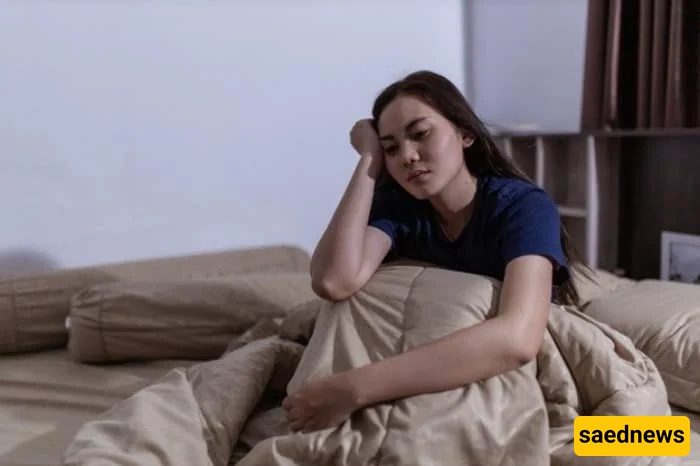
Winter depression is more than simply feeling unhappy during cold weather. Reduced daylight exposure can influence sleep patterns, mood regulation, energy levels, and appetite.
Maintaining an active lifestyle, eating a balanced diet, getting sufficient daylight, considering light therapy, and seeking professional support can help manage seasonal depressive symptoms.
If symptoms persist, interfere with daily activities, or become severe, consulting a healthcare professional is important. Seasonal depression is a treatable condition, and appropriate support can make winter more manageable.